
Crematogaster pseudinermis
- 学名
- Crematogaster pseudinermis
- 族
- Crematogastrini
- 亜科
- Myrmicinae
- 命名者
- Viehmeyer, 1923
- 分布
- 0 か国で発見
紹介
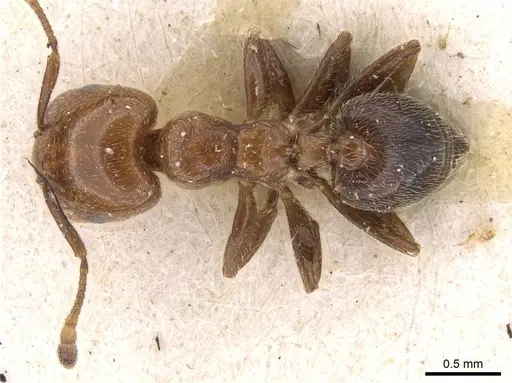
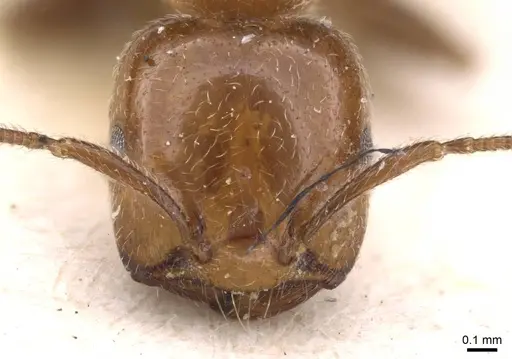
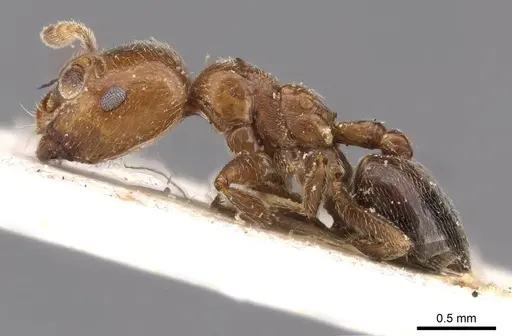
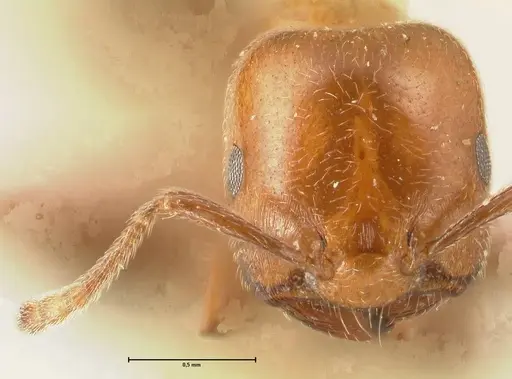
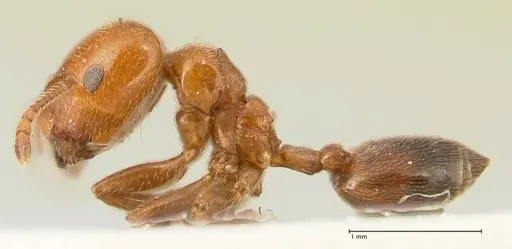
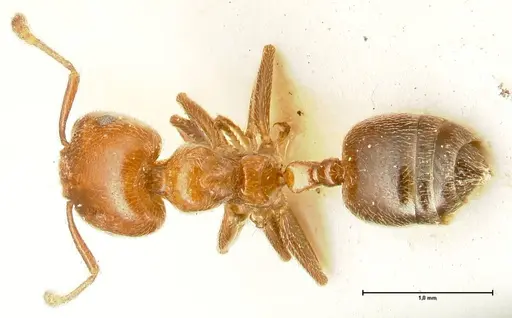
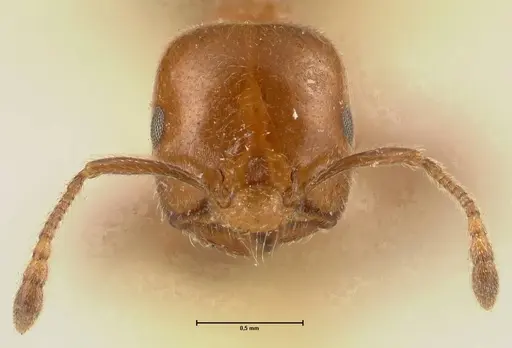
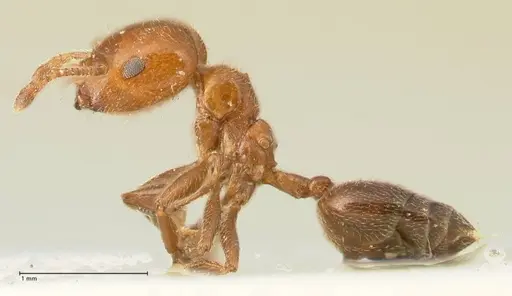
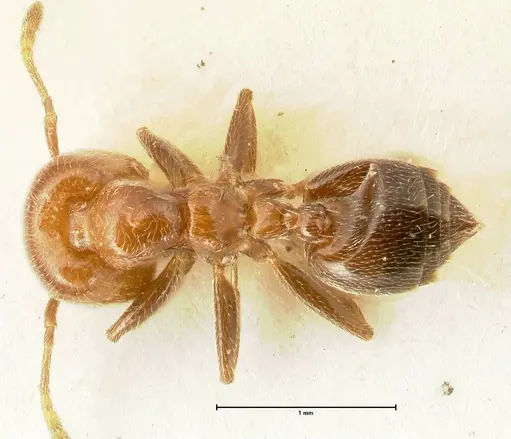
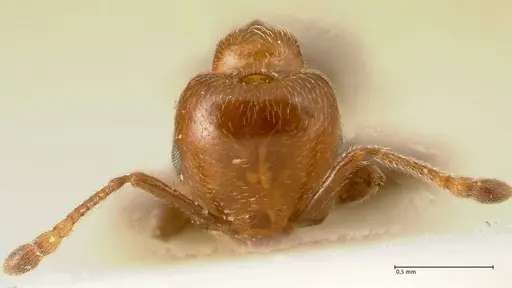
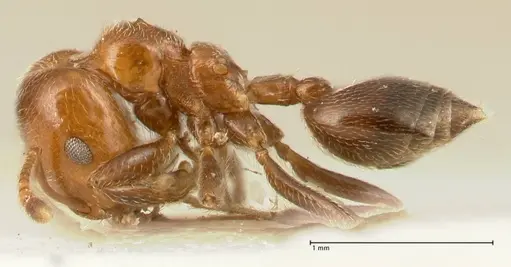
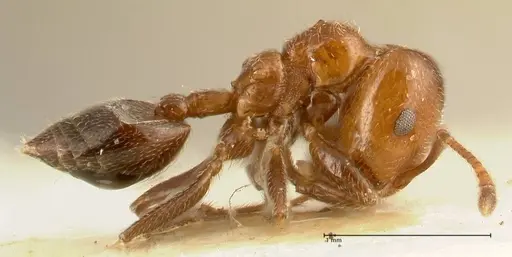
Crematogaster pseudinermis is a small myrmicine ant species native to Central and East Africa, found in the Democratic Republic of Congo, Kenya, Sudan, and Eritrea . The genus is known for its heart-shaped abdomen that workers raise over their thorax when disturbed - giving them the common name 'acrobat ants.' The species was first described by Viehmeyer in 1923 from specimens collected in Sudan. This is a poorly documented species with limited scientific study [AntWiki]. The genus Crematogaster is known for their distinctive defensive behavior - when threatened, they raise their abdomen high and may release a foul-smelling or irritating secretion from their anal gland. They are generally arboreal or semi-arboreal nesters in the wild, often nesting in rotting wood, under bark, or in hollow plant stems [AntWiki].
Quick Summary
- Difficulty: Medium
- Origin & Habitat: Native to Central and East Africa (Democratic Republic of Congo, Kenya, Sudan, Eritrea). Found in tropical to subtropical regions, likely in forest edges, savanna margins, or woodland areas near their collection localities in Sudan and the Congo basin [1][2].
- Colony Type: Colony structure is unconfirmed for this specific species. Based on typical Crematogaster patterns, the species likely forms single-queen colonies, though some genus species can have multiple queens.
- Size & Growth:
- Queen: Size data unavailable, estimated at approximately 5-7mm based on genus patterns
- Worker: Size data unavailable, approximately 3-5mm based on genus typical sizes
- Colony: Likely several hundred to a few thousand workers based on typical Crematogaster colony sizes
- Growth: Moderate, estimated based on genus patterns
- Development: 6-8 weeks estimated based on typical Crematogaster development at warm temperatures (Development time is inferred from genus patterns, specific data for this species is unavailable.)
- Antkeeping:
- Temperature: Keep warm, roughly 24-28°C based on their African tropical distribution. A slight gradient allowing warmer and cooler areas is ideal. Do not let temperatures drop below 20°C for extended periods.
- Humidity: Moderate to high humidity. Provide a moist nest substrate but ensure some drier areas exist for the ants to regulate their own conditions. Mist occasionally but avoid waterlogging.
- Diapause: Unlikely, as a tropical African species, they probably do not require a true hibernation. However, they may show reduced activity during cooler periods. Keep temperatures stable year-round.
- Nesting: In captivity, they do well in Y-tong nests, plaster nests, or naturalistic setups with rotting wood or cork bark. They prefer enclosed spaces with narrow chambers. Avoid dry, arid setups, they need some moisture in the nest environment.
- Behavior: Generally non-aggressive toward humans but will defend their nest vigorously. They are active foragers and will search for honeydew, small insects, and nectar. Their characteristic defensive posture (raising the abdomen) is their primary threat display. They are good climbers and may attempt to escape if not properly contained.
- Common Issues: tropical species requires warm temperatures, cold drafts or air conditioning can stress or kill colonies, poor escape prevention can allow escapes, they are good climbers and will exploit gaps, overfeeding can lead to mold issues in enclosed nests, remove uneaten food promptly, too-dry nesting conditions can cause colony decline, monitor moisture levels, limited species information means some trial and error may be needed to optimize care
Housing and Nest Setup
Crematogaster pseudinermis does well in Y-tong nests or plaster nests that can hold moisture. They prefer enclosed, dark spaces that mimic their natural nesting in rotting wood or under bark. A test tube setup can work for founding colonies, but once the colony reaches 20-30 workers, consider moving to a proper nest. Provide a water reservoir connected to the nest to maintain humidity. The outworld should be simple with easy access to food. Ensure all connections between the nest and outworld have tight-fitting barriers, these ants are good climbers and will escape through small gaps. [3]
Feeding and Diet
Like most Crematogaster species, they are omnivorous with a preference for sweet liquids. Offer sugar water, honey, or diluted maple syrup as a constant food source. They also need protein, small live insects like fruit flies, pinhead crickets, or mealworms are ideal. In the wild, they often tend aphids for honeydew, so they may accept aphid honey if available. Feed protein sources 2-3 times per week, and keep a sugar source available at all times. Remove uneaten prey after 24-48 hours to prevent mold. [3]
Temperature and Seasonal Care
As a tropical African species, C. pseudinermis requires warm conditions. Keep the nest area at roughly 24-28°C. A heating cable or mat on one side of the nest can create a gradient, but ensure the ants can move to cooler areas if needed. Avoid temperatures below 20°C or above 32°C. Unlike temperate species, they do not require a hibernation period. Maintain stable temperatures year-round, sudden drops in temperature can stress or kill colonies. Room temperature within this range is usually acceptable without additional heating in most homes. [3]
Behavior and Defense
This species exhibits the classic Crematogaster defensive behavior, when threatened, workers raise their abdomen over their thorax in an 'acrobat' pose. They may also release a foul-smelling secretion from their anal gland as a chemical defense. They are not particularly aggressive toward keepers but will defend their nest vigorously if disturbed. They are active foragers and will readily explore their outworld searching for food. They are good climbers and may attempt to escape if given the opportunity, so check barrier integrity regularly. [3]
Colony Growth Expectations
Colony growth is moderate, expect 6-8 weeks from egg to first worker under optimal warm conditions. The first workers (nanitics) will be smaller than mature workers. Growth rate depends heavily on temperature and feeding. A healthy founding colony should reach 30-50 workers within 6 months under good conditions. Maximum colony size is likely several thousand workers based on genus patterns. Unlike some fast-growing species, Crematogaster colonies tend to grow steadily rather than explosively. Patience is key, this is not a species for keepers expecting rapid colony expansion. [3]
Frequently Asked Questions
How long does it take for Crematogaster pseudinermis to produce first workers?
Expect first workers (nanitics) to emerge approximately 6-8 weeks after the queen lays eggs, assuming optimal temperatures around 26-28°C. This is an estimate based on typical Crematogaster genus development, specific timing for this species has not been documented.
What do Crematogaster pseudinermis ants eat?
They are omnivorous. Offer a constant sugar source (sugar water, honey, or maple syrup) and protein 2-3 times weekly (small insects like fruit flies, pinhead crickets, or mealworms). They will likely accept sweet liquids readily and hunt small prey.
Do Crematogaster pseudinermis ants sting?
They do not have a painful sting like some ants. Their primary defense is raising their abdomen in an 'acrobat' pose and releasing a foul-smelling secretion. They are not considered dangerous to humans.
What temperature do Crematogaster pseudinermis need?
Keep them warm at roughly 24-28°C. As a tropical African species, they need consistent warmth. Room temperature in most homes is usually adequate, but monitor during cold months.
Are Crematogaster pseudinermis good for beginners?
This species is rated as Medium difficulty. They are more challenging than common beginner species like Lasius or Tetramorium because they require stable warm temperatures and specific humidity levels. They are also less commonly available. Some experience with ant keeping is helpful.
How big do Crematogaster pseudinermis colonies get?
Based on typical genus size, colonies likely reach several hundred to a few thousand workers. Maximum size is not documented specifically for this species.
Do Crematogaster pseudinermis need hibernation?
No. As a tropical African species, they do not require hibernation. Keep temperatures stable year-round between 24-28°C.
What nest type is best for Crematogaster pseudinermis?
Y-tong nests or plaster nests that can hold moisture work well. They prefer dark, enclosed spaces. Avoid dry setups, they need some humidity in the nest environment.
Can I keep multiple Crematogaster pseudinermis queens together?
This is not recommended. While some Crematogaster species can be polygynous, combining unrelated queens of this species has not been documented and queens will likely fight. Start with a single queen for founding.
Why are my Crematogaster pseudinermis dying?
The most common causes are: temperatures too cold (below 20°C), too-dry nesting conditions, poor escape prevention, or stress from disturbance. Check your temperature, humidity, and ensure the colony is in a quiet location with minimal vibrations.
Report an Issue
The current care sheet is based fully on literature. See inconsistencies, or something that's incorrect? Please , it will be resolved after review from an admin. Contributing to the blogs tab also helps providing information, to make us be able to further improve the caresheets. Thank you for your support!
References

この飼育シートのライセンスは: CC BY-SA 4.0 .
コミュニティブログ
文献
分布マップを読み込み中...製品情報を読み込み中...