
Crematogaster petiolidens
- 学名
- Crematogaster petiolidens
- 族
- Crematogastrini
- 亜科
- Myrmicinae
- 命名者
- Forel, 1916
- 分布
- 0 か国で発見
紹介
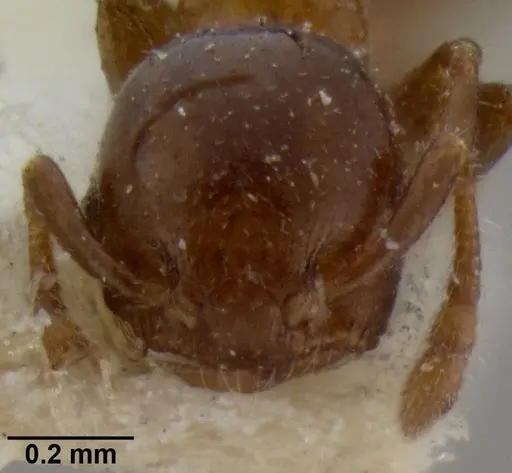
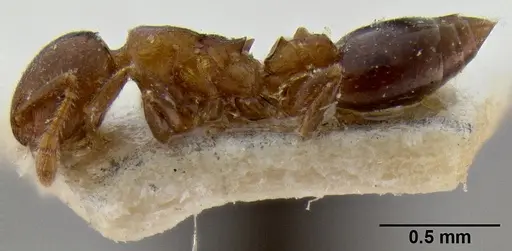
Crematogaster petiolidens is a small ant species originally described by Santschi from the Democratic Republic of Congo . Like other Crematogaster species, they are known as 'acrobat ants' due to their distinctive behavior of raising their abdomen over their head when threatened. Workers are small, typically measuring up to 4mm. This species is native to Central African forests where it nests in dead wood, hollow stems, and under bark. The genus Crematogaster is one of the most diverse ant groups globally, with over 300 species, and many are known for their arboreal nesting habits and ability to adapt to various forest habitats.
Quick Summary
- Difficulty: Medium
- Origin & Habitat: Democratic Republic of Congo (Central Africa). In the wild, these ants typically nest in dead wood, hollow stems, and under loose bark in forest environments [1].
- Colony Type: Colony structure is unconfirmed for this specific species. Many Crematogaster species are polygynous (multi-queen), but the exact colony structure of C. petiolidens has not been documented.
- Size & Growth:
- Queen: Size data unavailable, inferred from typical Crematogaster queen size (~5-7mm)
- Worker: Size data unavailable, inferred from typical Crematogaster worker size (~up to 4mm)
- Colony: Likely up to a few thousand workers based on related species
- Growth: Moderate, based on typical genus development patterns
- Development: Several weeks at optimal temperature based on related species (Development time is estimated from genus-level data since species-specific research is unavailable. Warmer temperatures within their range may accelerate development.)
- Antkeeping:
- Temperature: Keep around 22-26°C. This range is based on typical conditions for Central African forest ants. A slight temperature gradient allows workers to regulate their conditions.
- Humidity: Moderate humidity around 50-70%. These forest ants prefer conditions that mimic damp woodland habitats. Keep the nest substrate slightly moist but not waterlogged.
- Diapause: Unknown, Central African species may not require strong hibernation, but a slight cool period during winter months may be beneficial.
- Nesting: Y-tong (AAC) nests or naturalistic setups with dead wood and bark work well. They prefer tight, dark chambers similar to their natural hollow stem nesting sites. Test tube setups are suitable for founding colonies.
- Behavior: Crematogaster petiolidens is active and alert, typical of the genus. They are known to be defensive and will use their stinger when threatened. Their small size makes them excellent climbers, so escape prevention is critical, use fine mesh barriers and ensure all openings are sealed. They likely accept sugar sources and small protein prey, consistent with typical Crematogaster diet. Workers exhibit the characteristic 'acrobat' behavior when disturbed, raising their abdomen over their head to expose their stinger. This species has a smear-type defense mechanism where venom is wiped onto enemies rather than piercing flesh.
- Common Issues: escape prevention is critical, their small size allows them to squeeze through tiny gaps, colony founding can be slow and fragile, founding queens are vulnerable to stress, humidity control is important, too dry and brood may desiccate, too wet and mold becomes a problem, wild-caught colonies may harbor parasites that can devastate captive colonies, they are aggressive defenders, handle gently and avoid disturbing the nest
Nest Preferences and Housing
Crematogaster petiolidens naturally nests in dead wood, hollow stems, and under loose bark in forest environments [1]. In captivity, they adapt well to various nest types. Y-tong (AAC) nests work excellently because they provide dark, tight chambers that mimic their natural hollow stem homes. Naturalistic setups with pieces of dead wood or bark can also be successful. For founding colonies, a simple test tube setup with a water reservoir works well. As the colony grows, you can transition to a larger formicarium. Regardless of nest type, ensure darkness and security, these ants prefer to nest in concealed spaces and can be sensitive to light disturbance.
Feeding and Diet
Based on typical Crematogaster feeding patterns, this species likely accepts a varied diet. Sugar sources are important, offer sugar water, honey, or diluted honey water regularly. They also need protein for brood development, so provide small insects like fruit flies, pinhead crickets, or mealworms. In the wild, Crematogaster ants often tend aphids for honeydew, so they may readily accept sugar solutions. Feed protein prey several times per week, and keep sugar water available at all times. Remove uneaten prey after 24-48 hours to prevent mold. Start with small portions and adjust based on how quickly your colony consumes them.
Temperature and Seasonal Care
Maintain temperatures around 22-26°C for optimal colony health and brood development. This range reflects the warm, stable conditions of their Central African forest habitat. A temperature gradient is beneficial, allow workers to move between warmer and cooler areas of the nest to self-regulate. A small heating cable on one side of the nest can help maintain warmth, but avoid overheating. Regarding diapause, the requirements are unclear for this species. Since they're from Central Africa, they likely don't need a true hibernation, but a slight temperature reduction during winter months may be appropriate and natural. Monitor colony activity, if they become less active in winter, this indicates a rest period is beneficial.
Behavior and Temperament
Crematogaster ants are known for their distinctive defensive behavior, when threatened, workers raise their abdomen over their head like an acrobat, exposing their stinger. This species has a functional stinger and can deliver venom when provoked. They are active foragers and will send workers out to collect food. Their small size makes them excellent climbers, so escape prevention is absolutely critical. Use fluon on rim edges, fine mesh on any ventilation holes, and check all connections regularly. These ants are generally not aggressive toward humans when undisturbed, but will defend their nest vigorously. Handle gently and avoid tapping or disturbing the nest. They are diurnal and will show activity patterns that follow day-night cycles.
Frequently Asked Questions
How long does it take for Crematogaster petiolidens to produce first workers?
Based on typical Crematogaster development, expect first workers several weeks after the queen lays eggs. This timeline depends on temperature, warmer conditions within their range will speed development, while cooler temperatures slow it down.
What do Crematogaster petiolidens eat?
They likely accept a varied diet similar to other Crematogaster species. Offer sugar water or honey as a constant energy source, and provide small protein prey like fruit flies, pinhead crickets, or small mealworms several times per week for brood development.
Can I keep multiple Crematogaster petiolidens queens together?
The colony structure of this specific species is unconfirmed. Many Crematogaster species are polygynous (multi-queen), but combining unrelated foundress queens carries risks of aggression. If you want to try multi-queen housing, introduce them before either has laid eggs and provide ample space. Monitor closely for fighting.
Do Crematogaster petiolidens ants sting?
Yes, like other Crematogaster species, they have a functional stinger and will use it when threatened. They use a smear-type defense where venom is wiped onto enemies rather than piercing flesh. Handle gently and avoid disturbing the nest.
Are Crematogaster petiolidens good for beginners?
This species is rated as Medium difficulty. While the genus Crematogaster is generally manageable, this specific species has limited documented care information. Beginners should be prepared for the challenges of limited species-specific guidance and should start with a colony of reasonable size.
What temperature do Crematogaster petiolidens need?
Keep them around 22-26°C. This warm range reflects their Central African forest habitat. A slight temperature gradient allows workers to self-regulate. Avoid temperatures below 18°C or above 30°C.
How big do Crematogaster petiolidens colonies get?
The maximum colony size is unconfirmed for this species. Based on related Crematogaster species, colonies likely reach up to a few thousand workers over several years with good care.
What nest type is best for Crematogaster petiolidens?
Y-tong (AAC) nests work well for established colonies, providing dark, tight chambers that mimic their natural hollow stem homes. Test tube setups are suitable for founding colonies. Naturalistic setups with dead wood can also work.
Do Crematogaster petiolidens need hibernation?
Diapause requirements are unknown for this species. As a Central African species, they likely don't need true hibernation, but a slight temperature reduction during winter months may be appropriate. Monitor your colony's activity levels.
Why are my Crematogaster petiolidens escaping?
Their small size makes them excellent climbers. Ensure excellent escape prevention by using fluon on rim edges, fine mesh on all openings, and checking connections regularly. Even tiny gaps can allow escape.
Report an Issue
The current care sheet is based fully on literature. See inconsistencies, or something that's incorrect? Please , it will be resolved after review from an admin. Contributing to the blogs tab also helps providing information, to make us be able to further improve the caresheets. Thank you for your support!
References

この飼育シートのライセンスは: CC BY-SA 4.0 .
コミュニティブログ
CASENT0193952
AntWebで見る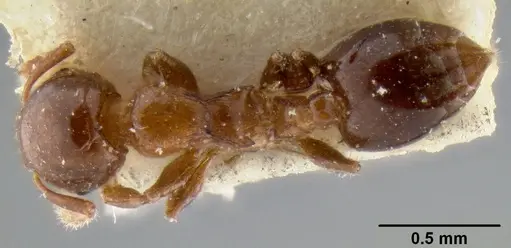
文献
分布マップを読み込み中...製品情報を読み込み中...