
Cardiocondyla melana
- 学名
- Cardiocondyla melana
- 族
- Crematogastrini
- 亜科
- Myrmicinae
- 命名者
- Seifert, 2003
- 分布
- 0 か国で発見
紹介
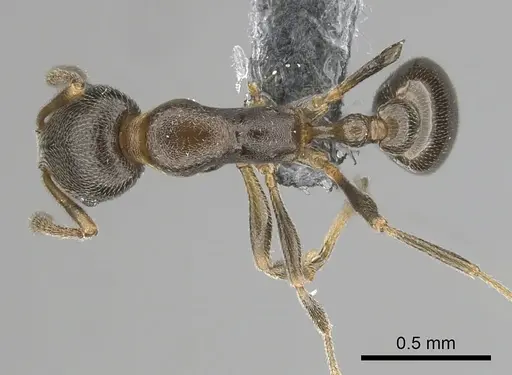
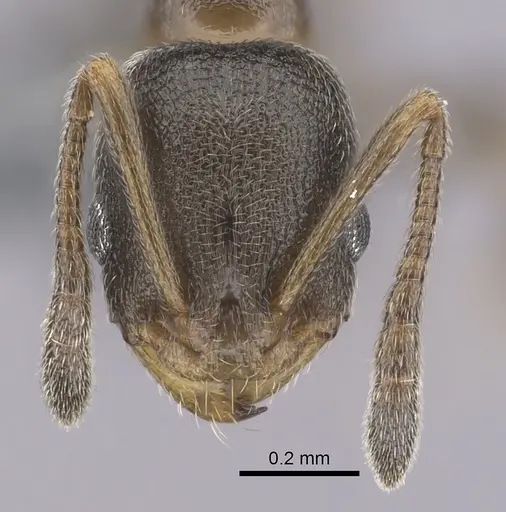
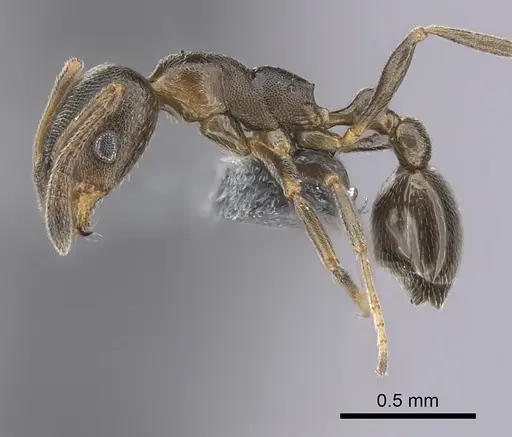
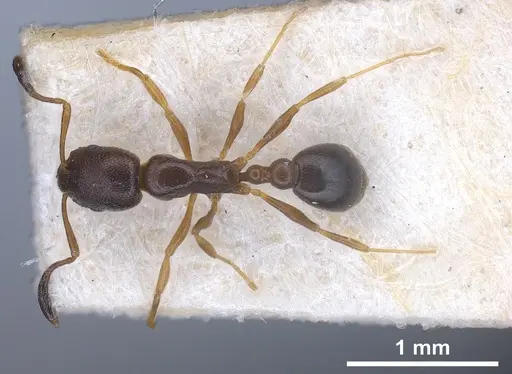
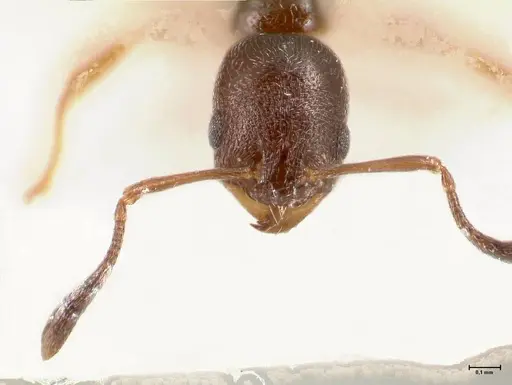
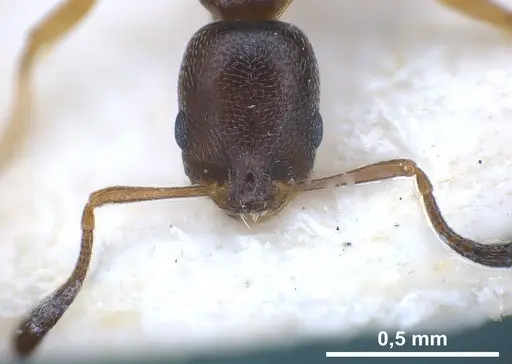
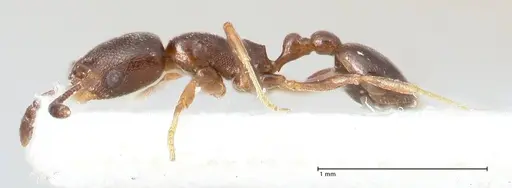
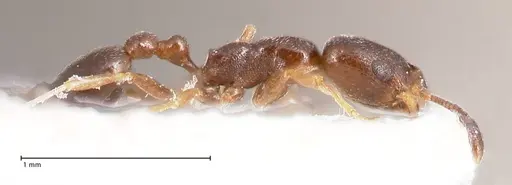
Cardiocondyla melana is a tiny myrmicine ant measuring approximately 2-2.5mm in worker size, characterized by its distinctly elongated head and dark to blackish brown coloration . This species belongs to the Cardiocondyla shuckardi species-group and was originally described from Yemen, with its range extending into Saudi Arabia where it has been collected from soil in isolated date farms at elevations between 675-1611m . The postpetiole is notably more slender than its close relative C. shuckardi, and the whole body appears smooth and shining with reduced propodeal spines appearing as blunt angles . As a member of the Cardiocondyla genus, these ants are ground-nesting and typically form small, docile colonies. They are not aggressive and pose no threat to keepers. Their tiny size makes them fascinating to observe, though their small colonies mean they remain a specialty species rather than a common choice for antkeeping.
Quick Summary
- Difficulty: Medium
- Origin & Habitat: Native to the Afrotropical region, specifically Saudi Arabia and Yemen. Workers have been collected from soil in isolated date farms, indicating they nest in dry to moderately moist ground habitats at elevations between 675-1611m [2][3].
- Colony Type: Colony structure is not documented in available research.
- Size & Growth:
- Queen: Approximately 4-5mm, inferred from Cardiocondyla genus patterns
- Worker: Approximately 2-2.5mm, inferred from head measurements converted to total length [1]
- Colony: Likely up to 200 workers based on typical Cardiocondyla colony sizes
- Growth: Unknown, likely moderate based on genus patterns
- Development: Approximately 6-10 weeks estimated based on related Cardiocondyla species at optimal temperature (Direct development data unavailable, estimate based on genus-level patterns for small Myrmicinae)
- Antkeeping:
- Temperature: Based on their Middle Eastern origin (Saudi Arabia, Yemen), they likely prefer warm conditions around 24-28°C. Room temperature (20-24°C) should be suitable, with a slight warmth gradient beneficial for brood development.
- Humidity: Moderate humidity preferred. Keep nest substrate lightly moist but not waterlogged, these are ground-nesting ants from relatively dry regions. Allow some drying between waterings.
- Diapause: Unknown for this species. Given their Arabian Peninsula origin, they may have reduced activity periods during cooler months but likely do not require true hibernation.
- Nesting: Natural nesting occurs in soil. In captivity, standard test tubes or small nests work well. Use fine substrate material and ensure chambers are appropriately scaled to their tiny worker size. Y-tong nests with narrow passages are suitable.
- Behavior: Cardiocondyla ants are typically docile and non-aggressive. Workers are small and slow-moving, with minimal escape risk compared to tiny species but still requiring standard barriers due to their size. They are ground-nesting and likely forage for small prey and honeydew. No defensive stinging behavior is known for this genus, they are considered harmless to keepers.
- Common Issues: tiny worker size means escape prevention should still use fine mesh barriers, small colony size makes them sensitive to disturbance, avoid frequent nest inspections, limited available biological data means care is partially inferred from genus patterns, wild-caught colonies may have parasites, quarantine and monitor new colonies
Nest Preferences and Housing
Cardiocondyla melana naturally nests in soil, as evidenced by workers being collected from ground samples in Saudi Arabian date farms [2]. In captivity, they do well in standard test tube setups or small formicaria. The key requirement is appropriately scaled chambers, their tiny worker size means passages and chambers should be modest in scale. A Y-tong nest with narrow tunnels works well, or you can use a test tube setup with cotton stoppers. The nesting area should be kept dark (as these are ground-nesting ants that prefer dim conditions) with the outworld accessible for foraging. Keep the nest substrate lightly moistened, as they originate from regions with periodic moisture but not constant humidity.
Feeding and Diet
Like most Cardiocondyla species, C. melana likely has an omnivorous diet typical of small myrmicine ants, they probably feed on small insects, honeydew from aphids, and may accept sugar sources. In captivity, offer small protein sources such as fruit flies, pinhead crickets, or small mealworm pieces. Sugar water, honey, or commercial ant nectar can be offered as an energy source. Given their tiny size, prey items should be appropriately small, flightless fruit flies are an excellent choice. Feed small amounts 2-3 times per week, removing uneaten prey after 24 hours to prevent mold. A constant sugar source is recommended but should be replaced every few days.
Temperature and Seasonal Care
Based on their geographic origin in Saudi Arabia and Yemen (Arabian Peninsula), these ants prefer warm conditions. Aim for temperatures in the range of 24-28°C in the nest area, with room temperature (20-24°C) being acceptable if kept stable. A gentle heat gradient using a heating cable or mat on one side of the nest can be beneficial, especially for brood development. Avoid temperatures below 18°C or above 32°C. Regarding seasonal care, the diapause requirements for this specific species are unknown. However, given their Middle Eastern origin, they likely do not require true hibernation but may have reduced activity during cooler periods. Maintain stable temperatures year-round and reduce feeding slightly during winter months if colony activity decreases. [2]
Defense Mechanism
Cardiocondyla melana belongs to the Myrmicinae subfamily and Crematogastrini tribe. Like other members of this group, they possess a modified, flattened stinger used to wipe or smear venom onto enemies rather than piercing flesh. This smear defense is characteristic of the genus and means they are not capable of painful stings like some other ant groups. They are considered harmless to keepers.
Behavior and Handling
Cardiocondyla melana is a docile, non-aggressive species. Workers are small and slow-moving, typically not displaying defensive behaviors. They are not known to sting, making them completely safe for keepers of all experience levels. Their small size and calm demeanor make them interesting observation subjects, though their colonies remain relatively modest in size. When observing your colony, avoid excessive disturbance, these ants are sensitive to vibrations and frequent nest inspections can stress small colonies. They are ground-nesting and will establish foraging trails in the outworld. Standard escape prevention measures should be used, though they are less prone to climbing than some other genera.
Frequently Asked Questions
How long does it take for Cardiocondyla melana to produce first workers?
Direct development data is not available for this species. Based on typical Cardiocondyla genus patterns, expect approximately 6-10 weeks from egg to first worker at optimal warm temperatures (around 25-27°C). The exact timeline depends on temperature and colony health.
Can I keep Cardiocondyla melana in a test tube setup?
Yes, test tubes work well for this species. Use a standard test tube setup with a water reservoir (cotton-stoppered) and ensure the tube is appropriately sized for their tiny workers. A test tube with 10-15mm diameter works fine. Keep the tube in darkness or cover it to simulate ground-nesting conditions.
What do Cardiocondyla melana ants eat?
They likely accept small insects (fruit flies, pinhead crickets, small mealworm pieces), honeydew, and sugar water. Offer small, appropriately-sized prey items. A constant sugar source (honey water or commercial ant nectar) is recommended alongside protein feedings 2-3 times per week.
Do Cardiocondyla melana ants sting?
No, Cardiocondyla ants are not known to sting. They are completely harmless to keepers. Their small size and docile nature make them safe for handling and observation.
How big do Cardiocondyla melana colonies get?
Colony size is not directly documented, but based on typical Cardiocondyla patterns, colonies likely reach dozens to approximately 200 workers at maturity. They are not large colony formers.
What temperature do Cardiocondyla melana ants need?
Based on their Arabian Peninsula origin, keep them warm at 24-28°C. Room temperature (20-24°C) is acceptable, but a slight warmth boost helps with brood development. Avoid temperatures below 18°C.
Do Cardiocondyla melana need hibernation?
Diapause requirements are unknown for this species. Given their origin in Saudi Arabia and Yemen, true hibernation is unlikely necessary. Maintain stable temperatures year-round and reduce feeding slightly during winter if activity decreases.
Are Cardiocondyla melana good for beginners?
This species is rated as Medium difficulty. While they are docile and harmless, their small size and limited available biological data make them better suited for keepers with some experience. They require stable conditions and appropriate feeding of small prey items.
When should I move Cardiocondyla melana to a formicarium?
Move them when the test tube water section becomes contaminated or the colony has outgrown the tube (typically when worker count exceeds 50-100). Cardiocondyla do well in small acrylic nests or Y-tong setups. Ensure the new enclosure has appropriately scaled chambers for their tiny workers.
Where is Cardiocondyla melana native to?
This species is native to the Arabian Peninsula, specifically Saudi Arabia and Yemen in the Afrotropical region. Workers have been collected from soil in date farms at elevations between 675-1611m.
Report an Issue
The current care sheet is based fully on literature. See inconsistencies, or something that's incorrect? Please , it will be resolved after review from an admin. Contributing to the blogs tab also helps providing information, to make us be able to further improve the caresheets. Thank you for your support!
References

この飼育シートのライセンスは: CC BY-SA 4.0 .
コミュニティブログ
文献
分布マップを読み込み中...製品情報を読み込み中...