
Camponotus subcircularis
- 学名
- Camponotus subcircularis
- 亜属
- Myrmobrachys
- 族
- Camponotini
- 亜科
- Formicinae
- 命名者
- Emery, 1920
- 分布
- 0 か国で発見
紹介
Camponotus subcircularis is a Neotropical carpenter ant species native to Bolivia, specifically the Mapiri region. These ants belong to the Myrmobrachys subgenus, recently reclassified from the dimorphus-group to the senex-group based on morphological analysis . The species is characterized by a concave posterior face of the propodeum, which distinguishes it within its group . Workers are minor workers (the only caste described from the type series). As with other Formicinae species, they lack a functional sting and instead spray formic acid from their acidopore as a defense mechanism when threatened. The species was originally described by Emery in 1920 from four syntype minor workers collected in Bolivia .
Quick Summary
- Difficulty: Medium
- Origin & Habitat: Native to Bolivia in the Neotropical region. The type locality is Mapiri, Bolivia. As a Myrmobrachys species, they likely nest in rotting wood or arboreal locations in tropical forest habitats [2].
- Colony Type: Colony structure is unconfirmed for this species. Most Camponotus species are monogyne (single queen colonies), though some can be facultatively polygyne. No ergatoid replacement reproductives have been documented for this specific species.
- Size & Growth:
- Queen: Size data unavailable, queens have not been described in any literature. Inferred from typical Camponotus patterns, queens likely range 12-18mm.
- Worker: Only minor workers described in the original type series (4 syntypes). Size data unavailable, inferred from genus patterns, minor workers likely 6-10mm, with major workers (if present) reaching 10-15mm.
- Colony: Colony size data unavailable for this specific species. Inferred from typical Camponotus patterns, colonies likely reach several thousand workers at maturity.
- Growth: Moderate, typical for larger carpenter ants.
- Development: Estimated 8-12 weeks at optimal temperature (around 24-26°C). This is based on typical Camponotus development patterns, as specific timing has not been documented for this species. (Larger ant species generally have longer development times. First workers (nanitics) will be smaller than mature workers.)
- Antkeeping:
- Temperature: Keep nest area around 24-26°C with a slight gradient. These are tropical ants from Bolivia, so they need warmth year-round. A heating cable on one side of the nest can create the preferred temperature gradient.
- Humidity: Moderate humidity around 50-60%. Myrmobrachys species often prefer slightly drier conditions than ground-nesting Camponotus. Provide a water tube but avoid oversaturating the nest.
- Diapause: Not required for this tropical species. They do not enter true hibernation but may reduce activity during cooler periods. Maintain consistent temperatures year-round.
- Nesting: Y-tong (AAC) nests or plaster nests work well. These ants are in the Myrmobrachys subgenus, which typically prefers wood-based nesting sites. Provide wooden structures or cork bark for them to potentially chew and expand their nest.
- Behavior: Generally calm temperament typical of larger carpenter ants. They are not particularly aggressive but will defend the colony if threatened by biting and spraying formic acid. Workers are moderate foragers and will collect both sugar sources and protein. Escape risk is moderate, their larger size makes them easier to contain than tiny ants, but they can still climb smooth surfaces effectively. Use standard Fluon barriers on the outworld.
- Common Issues: tropical species requires consistent warmth, cold drafts can weaken or kill colonies, larger ants need more space as they develop, move to larger setups before they become cramped, wild-caught colonies may carry parasites that cause colony failure in captivity, slow initial growth can lead to overfeeding, excess food mold kills colonies, queen loss during founding is common, ensure founding setup is stable and undisturbed
Housing and Nest Setup
Camponotus subcircularis does well in Y-tong (AAC) nests or plaster nests with carved chambers. Since they belong to the Myrmobrachys subgenus, adding wooden elements or cork bark gives them natural nesting material they can expand into. For founding colonies, a standard test tube setup works well, fill one-third with water, plug with cotton, and place the queen in the dark. The queen will seal herself into a chamber and begin laying eggs. Once the colony reaches 20-30 workers, you can transition to a formicarium. Always provide an outworld for foraging with a sugar water station and protein feeding area. Use Fluon or another barrier on the outworld to prevent escapes, though their larger size makes them easier to contain than tiny ants. [2]
Feeding and Nutrition
Like other Camponotus species, C. subcircularis is omnivorous with a preference for sugar sources and protein. Offer sugar water (1:3 ratio with water) or honey diluted with water at all times, this should be available constantly. For protein, provide insects like fruit flies, small crickets, mealworms, or other appropriately sized prey. Feed protein 2-3 times per week, adjusting based on colony size and consumption. Remove any uneaten prey after 24-48 hours to prevent mold. Larger colonies can handle bigger prey items. These ants are not specialized feeders and will accept most standard ant foods. [2]
Temperature and Seasonal Care
As a tropical species from Bolivia, C. subcircularis requires warm conditions year-round. Maintain nest temperatures between 24-26°C, with a gradient allowing workers to choose their preferred temperature. A heating cable placed on top of the nest (never underneath where it could dry out the nest) works well for creating this gradient. Unlike temperate species, they do not require hibernation or diapause. However, they may become less active during cooler periods, so avoid placing the colony near air conditioning vents or cold windows. Room temperature (22-24°C) is acceptable, but warmer conditions promote faster brood development. Monitor colony activity, if workers cluster near heat sources, increase temperature slightly. [2]
Colony Development and Growth
Camponotus colonies grow progressively, and C. subcircularis is no exception. After the queen seals herself in (claustral founding), she will lay eggs that develop through larval and pupal stages before emerging as nanitic (first) workers. These first workers are smaller than mature workers but begin foraging to support the colony. Growth rate is moderate, expect 6-12 months to reach 50 workers, and 2-3 years to reach several hundred workers. The key to healthy growth is consistent feeding and proper temperature. Avoid disturbing the founding queen too often, stress can cause her to eat eggs or abandon the brood. Once established, colonies are relatively resilient but grow slower than smaller ant species due to their larger body size. [2]
Handling and Observation
One advantage of keeping larger carpenter ants like C. subcircularis is that they are easier to observe than tiny species. Workers are large enough to see clearly without magnification, and their behaviors are visible to the naked eye. You can watch them forage, tend brood, and interact with nestmates. However, they do produce formic acid as a defense, which has a distinctive smell. When handling nest material or moving colonies, wash hands afterward. The formic acid is not dangerous to humans but can cause temporary skin irritation. These ants are generally docile and will only spray formic acid if seriously threatened. Their moderate size also makes them easier to photograph for ant-keeping journals or social media. [2]
Frequently Asked Questions
How long does it take for Camponotus subcircularis to have first workers?
Expect first workers (nanitics) to emerge 8-12 weeks after the queen lays eggs, assuming optimal temperatures around 24-26°C. This is typical for larger Camponotus species. The exact timing depends on temperature and whether the founding was successful. Some colonies may take slightly longer during cooler periods.
What do Camponotus subcircularis ants eat?
They are omnivorous. Offer sugar water or honey diluted with water constantly, this is their primary energy source. For protein, feed insects like fruit flies, small crickets, or mealworms 2-3 times per week. Remove uneaten prey after 24 hours to prevent mold.
Can I keep multiple Camponotus subcircularis queens together?
This species is likely monogyne (single queen) based on typical Camponotus patterns. Combining unrelated queens is not recommended as they will likely fight. If you capture a founding queen, house her alone until her first workers emerge.
What temperature do Camponotus subcircularis need?
Keep them warm at 24-26°C in the nest area. They are tropical ants from Bolivia and do not tolerate cold. A heating cable on top of the nest can create a temperature gradient. Room temperature (22-24°C) is acceptable, but warmer conditions promote faster growth.
Are Camponotus subcircularis good for beginners?
They are rated as medium difficulty. They are more forgiving than some species but require consistent warmth year-round since they are tropical. Their larger size makes them easier to house and observe, but their slower growth requires patience.
When should I move Camponotus subcircularis to a formicarium?
Move them once the colony reaches 20-30 workers. Before this, a test tube or small container works fine. When moving, connect the old setup to the new formicarium and let the ants relocate themselves over a few days. They will carry brood first, then workers, then the queen.
Do Camponotus subcircularis need hibernation?
No. As a tropical species from Bolivia, they do not require hibernation or diapause. Maintain warm temperatures year-round. They may reduce activity slightly during cooler periods but do not enter a true dormant state.
How big do Camponotus subcircularis colonies get?
Mature colonies can reach several thousand workers, which is typical for Camponotus species. Growth is slow, expect 2-3 years to reach several hundred workers with good care. The queen can live for many years, producing workers continuously.
Why is my Camponotus subcircularis colony dying?
Common causes include: cold temperatures (below 20°C weakens them), oversaturated nests (causes mold and fungal problems), overfeeding (mold from uneaten food kills colonies), and stress from too much disturbance during founding. Check your temperature, humidity, and feeding practices first.
Report an Issue
The current care sheet is based fully on literature. See inconsistencies, or something that's incorrect? Please , it will be resolved after review from an admin. Contributing to the blogs tab also helps providing information, to make us be able to further improve the caresheets. Thank you for your support!
References

この飼育シートのライセンスは: CC BY-SA 4.0 .
コミュニティブログ
CASENT0905526
AntWebで見る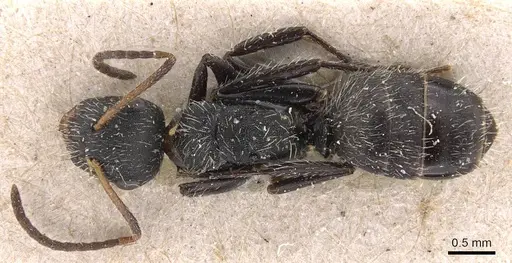
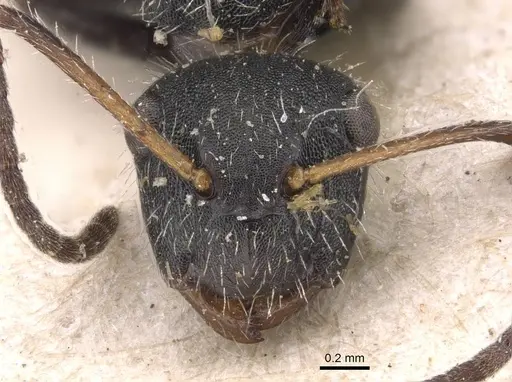
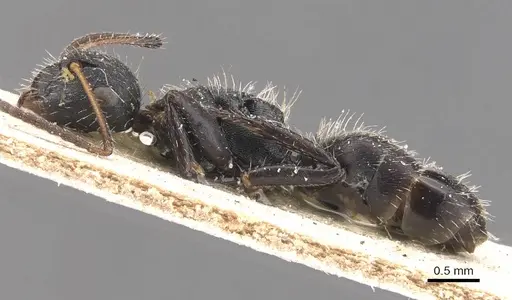
文献
分布マップを読み込み中...製品情報を読み込み中...