
Camponotus palmyrensis
- 学名
- Camponotus palmyrensis
- 亜属
- Tanaemyrmex
- 族
- Camponotini
- 亜科
- Formicinae
- 命名者
- Tohmé & Tohmé, 2000
- 分布
- 0 か国で発見
紹介
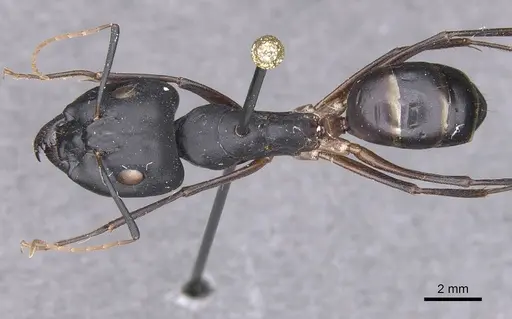
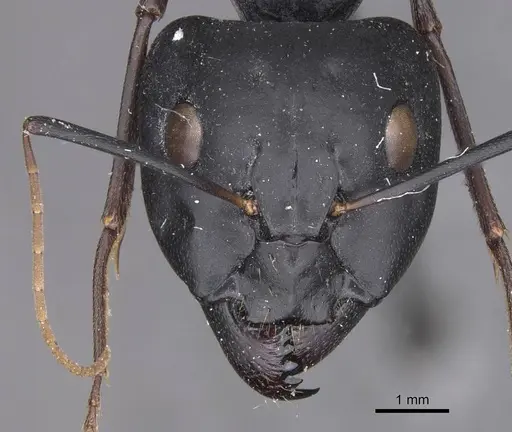
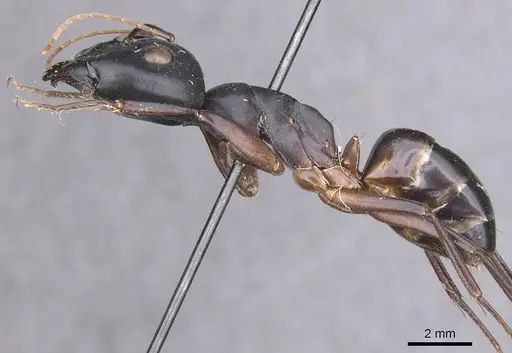
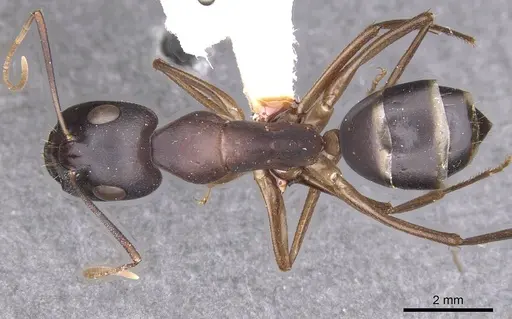
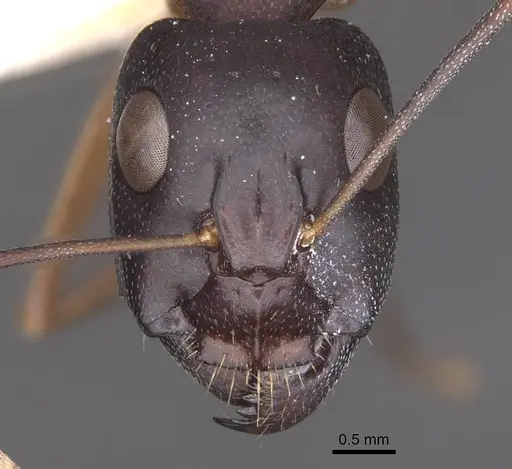
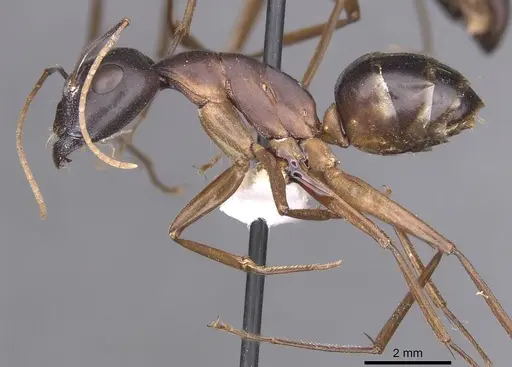
Camponotus palmyrensis is a carpenter ant species native to the Middle East, documented from Syria . As a Camponotus species, they follow typical genus patterns: large queens, with workers ranging from minor to major castes. Coloration is typically dark brown to black. These ants are wood-nesting species that excavate galleries in dead wood or use existing cavities in rocky habitats. In the wild, colonies establish in dead wood, under stones, or in soil cavities in arid to semi-arid environments.
Quick Summary
- Difficulty: Medium
- Origin & Habitat: Middle East, specifically documented from Syria [1]. They inhabit arid to semi-arid regions with hot summers and mild winters. In nature, they nest in dead wood, under stones, or in soil cavities.
- Colony Type: Likely monogyne (single queen colonies) based on typical Camponotus patterns. Colony size can reach several thousand workers in mature colonies.
- Size & Growth:
- Queen: ~12-18mm, inferred from Camponotus genus patterns
- Worker: ~6-14mm, inferred from Camponotus genus patterns (major and minor castes)
- Colony: Several thousand workers in mature colonies (estimated)
- Growth: Moderate
- Development: 6-10 weeks at optimal temperature (inferred from genus patterns) (Development is temperature-dependent, warmer conditions within safe range accelerate development. First workers (nanitics) are typically smaller than normal workers.)
- Antkeeping:
- Temperature: Keep nest area at 20-26°C with a slight gradient. Room temperature around 22°C is typically suitable. Provide a heating cable on one side of the nest to create options (inferred from genus patterns).
- Humidity: Moderate humidity. Keep nest substrate slightly moist but allow some drying between waterings. These ants tolerate drier conditions than many tropical species.
- Diapause: Yes, they need a winter rest period. Reduce temperature to 10-15°C for 2-3 months during winter. This mimics their natural seasonal cycle in temperate regions (inferred from genus patterns).
- Nesting: Y-tong (AAC) nests or plaster nests work well. Provide dead wood or cork bark if using a naturalistic setup. Ensure chambers are appropriately sized, larger chambers for major workers.
- Behavior: Carpenter ants are generally not aggressive but will defend their nest vigorously if threatened. Workers are active foragers that search for sugar sources (honeydew, sugar water) and protein (insects). They can bite, and as Formicinae, they spray formic acid from their acidopore when biting. Escape risk is moderate, use standard barrier methods (Fluon on test tube rims, fine mesh on outworlds).
- Common Issues: colonies often fail in first year due to improper founding conditions, ensure queen has dark, quiet space, hibernation failure is common, temperature must drop consistently to 10-15°C for 2-3 months, overfeeding can cause mold problems, remove uneaten food promptly, test tube setups can flood if water reservoir is too large, use appropriate tube size, queen death during founding is common, this is normal and most founding attempts fail
Housing and Nest Setup
Camponotus palmyrensis does well in various captive setups. Test tubes work for founding colonies, use a water reservoir with a cotton plug, but avoid tubes that are too large as they can flood. Once the colony reaches 20-30 workers, consider moving to a Y-tong (AAC) nest or plaster formicarium. These ants prefer nests with narrow passages that match their body size. If using a naturalistic setup, provide cork bark or small pieces of dead wood. Ensure the outworld has a reliable escape barrier, Fluon applied to the rim of test tubes works well, and fine mesh covering prevents escapes.
Feeding and Diet
Like other carpenter ants, C. palmyrensis needs a balanced diet of sugar and protein. Offer sugar water or honey diluted with water as a constant sugar source. For protein, provide small insects like fruit flies, mealworms, or crickets. Feed protein 2-3 times per week, adjusting based on colony size. Remove uneaten food within 24-48 hours to prevent mold. These ants are not specialized predators and will readily accept most standard ant foods. Fresh killed insects are preferred over dried ones.
Temperature and Seasonal Care
Maintain nest temperatures between 20-26°C. Room temperature around 22°C is typically ideal. You can provide a heating cable on one side of the nest to create a temperature gradient, this allows ants to self-regulate by moving to warmer or cooler areas. During winter, these ants require a diapause period of 2-3 months at 10-15°C. This is essential for colony health and triggers reproductive cycles. Reduce feeding during hibernation and avoid disturbing the colony unnecessarily.
Colony Growth and Development
A claustral queen will seal herself into a chamber and not emerge until her first workers (nanitics) hatch. The founding process takes 6-10 weeks at optimal temperature. Nanitics are smaller than normal workers but the colony will quickly produce larger workers as the population grows. Growth rate is moderate, expect the colony to reach 100 workers within the first year under good conditions. Mature colonies can contain several thousand workers. Patience is key with carpenter ants, they grow steadily but not rapidly.
Frequently Asked Questions
How long does it take for Camponotus palmyrensis to produce first workers?
First workers (nanitics) typically appear in 6-10 weeks after the queen lays eggs, assuming optimal temperatures around 22-26°C. This timeline is based on typical Camponotus development patterns.
What temperature do Camponotus palmyrensis need?
Keep them at 20-26°C in the nest area. Room temperature around 22°C is typically suitable. A slight temperature gradient with heating on one side is ideal.
Do Camponotus palmyrensis need hibernation?
Yes, they require a winter rest period. Reduce temperature to 10-15°C for 2-3 months during winter. This is important for colony health and triggering reproduction.
Can I keep multiple Camponotus palmyrensis queens together?
This species is likely monogyne (single queen). Combining unrelated queens is not recommended as they typically fight. Only keep one queen per colony.
What do Camponotus palmyrensis eat?
They need both sugar and protein. Offer sugar water or honey as a constant sugar source. Feed protein like fruit flies, mealworms, or small crickets 2-3 times per week.
Are Camponotus palmyrensis good for beginners?
They are medium difficulty. The main challenges are providing proper hibernation and being patient through the slow founding stage. They are harder than simple species like Lasius but easier than exotic tropical ants.
When should I move my colony to a formicarium?
Move from test tube to a proper nest (Y-tong, plaster, or naturalistic) once the colony reaches 20-40 workers. Make sure the new nest has appropriately sized chambers.
How big do Camponotus palmyrensis colonies get?
Mature colonies can reach several thousand workers. This takes several years of growth under good conditions.
Why is my queen not laying eggs?
This is normal during the founding period, the queen may take weeks to lay her first eggs after sealing in. Ensure she is in a dark, quiet location and avoid disturbing her. Temperature also affects egg-laying timing.
Report an Issue
The current care sheet is based fully on literature. See inconsistencies, or something that's incorrect? Please , it will be resolved after review from an admin. Contributing to the blogs tab also helps providing information, to make us be able to further improve the caresheets. Thank you for your support!
References

この飼育シートのライセンスは: CC BY-SA 4.0 .
コミュニティブログ
文献
分布マップを読み込み中...製品情報を読み込み中...