
Camponotus minozzii
- 学名
- Camponotus minozzii
- 亜属
- Tanaemyrmex
- 族
- Camponotini
- 亜科
- Formicinae
- 命名者
- Emery, 1920
- 分布
- 0 か国で発見
紹介
Camponotus minozzii is a carpenter ant species documented only from Peru, specifically the Ocobamba region in the Andean cloud forest . Like other Camponotus species, these ants have the classic carpenter ant body plan with a distinct metanotum and a smooth, rounded abdomen. Workers are polymorphic, meaning they come in different sizes - larger major workers and smaller minor workers. This species remains poorly documented in scientific literature, with limited information available beyond its geographic range.
Quick Summary
- Difficulty: Medium
- Origin & Habitat: This species is known only from the Ocobamba region in Peru, South America [1]. The Andean cloud forest environment suggests humid, shaded forest conditions with frequent rainfall.
- Colony Type: Unknown, colony structure for this species has not been documented in scientific literature.
- Size & Growth:
- Queen: Size data unavailable, no specific measurements exist for this species
- Worker: Size data unavailable, no specific measurements exist for this species
- Colony: Unknown, no colony size data exists for this species
- Growth: Unknown, growth rate has not been documented
- Development: Unknown, development time has not been studied for this species (Development likely depends on temperature, as with other Camponotus species)
- Antkeeping:
- Temperature: Keep nest area at 24-28°C. A gentle temperature gradient allows ants to regulate their own conditions. Room temperature around 22-24°C is acceptable but warmer conditions promote better brood development.
- Humidity: Moderate to high humidity. Provide a water tube for drinking access and keep the nest substrate consistently moist but not waterlogged.
- Diapause: Likely required, based on Peru's tropical climate at higher elevations, a shorter diapause or cool period may be needed rather than full temperate hibernation.
- Nesting: Y-tong (AAC) nests or naturalistic setups with rotting wood work well. Provide chambers sized appropriately for the colony. Camponotus prefer dark, secure nesting sites.
- Behavior: Based on Camponotus genus patterns, these ants are generally not aggressive toward humans but will defend their nest if threatened. Workers may be primarily active at night. Escape risk is moderate, they are large enough that standard barrier methods work well.
- Common Issues: colonies can stall if temperatures drop too low, keep them warm during active growth periods, overfeeding can lead to mold problems in the nest, remove uneaten protein promptly, queenless colonies may persist for months but won't recover, always ensure you have a healthy queen, wild-caught colonies may have parasites that kill them in captivity, quarantine and monitor new colonies closely, this species is poorly documented, unusual behaviors or requirements may emerge, Peruvian cloud forest species may have different temperature and humidity needs than typical temperate Camponotus
Nest Preferences
Camponotus minozzii will do well in Y-tong (AAC) nests or naturalistic setups that provide dark, secure chambers. These ants prefer nesting in wood or wood-like materials in the wild, so a wooden formicarium or acrylic nest with wooden inserts works well. The nest should have chambers large enough to accommodate the colony but not excessively spacious. Provide a water tube connected to a cotton reservoir for humidity control. Avoid nests that are too wet as this promotes mold growth which can be fatal to colonies. A simple setup with a test tube for the nest chamber connected to an outworld for foraging is suitable for founding colonies.
Feeding and Diet
Like other Camponotus species, minozzii is omnivorous and accepts a variety of foods. Offer sugar water, honey, or diluted maple syrup as a constant carbohydrate source, this should be available at all times. For protein, offer insects such as mealworms, crickets, or other small arthropods. Feed protein every 2-3 days, adjusting based on colony size and consumption. Remove any uneaten protein within 24 hours to prevent mold. Fresh water should always be available.
Temperature and Seasonal Care
Maintain nest temperatures between 24-28°C for optimal brood development. A heating cable on one side of the nest creates a gentle gradient that allows ants to regulate their own temperature. During the active season, keep them warm and feed regularly. Since this species comes from the Peruvian Andes at higher elevations, it may tolerate cooler conditions than typical tropical ants. Consider providing a cooler period in winter rather than full hibernation, around 15-18°C for 2-3 months may be sufficient. Monitor your colony's behavior to determine the best seasonal cycle.
Defense Mechanism
Camponotus ants lack a functional sting. Instead, they defend by biting and spraying formic acid from their acidopore into the wound. This is a chemical defense that can irritate predators but is not dangerous to humans.
Behavior and Colony Dynamics
Camponotus colonies develop through distinct phases. The claustral queen seals herself in a chamber and does not leave to forage, she rears the first brood alone on stored fat reserves. The first workers are smaller than normal workers but quickly begin foraging for food to feed the growing colony. As the colony expands, larger major workers develop, these have larger heads and are specialized for defense and heavy lifting. Workers may be primarily nocturnal, becoming more active in the evening and night.
Frequently Asked Questions
How long does it take for Camponotus minozzii to produce first workers?
This has not been documented for this specific species. For other Camponotus species, first workers typically emerge 6-8 weeks after the queen lays eggs at optimal temperatures around 24-26°C. Cooler temperatures can significantly slow development.
Can I keep multiple Camponotus minozzii queens together?
This is not recommended. Most Camponotus species are single-queen species, and multiple queens will likely fight until only one remains. If you capture multiple founding queens, house them separately in individual test tubes.
What temperature range is best for Camponotus minozzii?
Keep the nest area at 24-28°C during the active season. A slight gradient is ideal, warmer on one side around 28°C and cooler on the other around 22°C. This species comes from high-elevation Peru, so it may tolerate slightly cooler conditions than typical lowland tropical ants.
How often should I feed Camponotus minozzii?
Provide sugar water constantly, it should always be available. Feed protein every 2-3 days for established colonies. Founding colonies with just a queen need less frequent feeding, a small insect piece once weekly is sufficient until workers emerge.
When should I move my colony to a formicarium?
Move to a formicarium when the test tube colony reaches 30-50 workers and you see consistent foraging activity. This is typically 6-12 months after founding. Moving too early can stress the colony, waiting too long can lead to escape attempts or health issues from limited space.
Does Camponotus minozzii need hibernation?
Based on its origin in the Peruvian Andes, this species likely needs a shorter cool period rather than full temperate hibernation. Reduce temperature to around 15-18°C for 2-3 months in winter rather than the 10-15°C typically recommended for temperate Camponotus species.
Are Camponotus minozzii good for beginners?
This species is rated as medium difficulty. It is more forgiving than some exotic species but requires proper temperature control. This species is also poorly documented, so unusual behaviors or requirements may emerge. Be prepared to adapt your care based on what you observe.
How big do Camponotus minozzii colonies get?
Colony size data is not available for this species. Based on typical Camponotus patterns, mature colonies likely reach several thousand workers over several years.
Why is my queen not laying eggs?
Several factors can suppress egg-laying: temperatures too low, improper humidity, insufficient nutrition, or the colony is still in its founding phase. Ensure the queen has proper conditions and adequate sugar access. Some founding queens take several weeks to begin laying after being caught.
Report an Issue
The current care sheet is based fully on literature. See inconsistencies, or something that's incorrect? Please , it will be resolved after review from an admin. Contributing to the blogs tab also helps providing information, to make us be able to further improve the caresheets. Thank you for your support!
References

この飼育シートのライセンスは: CC BY-SA 4.0 .
コミュニティブログ
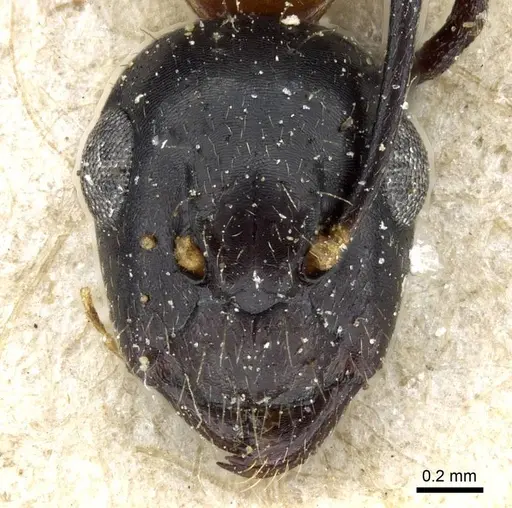
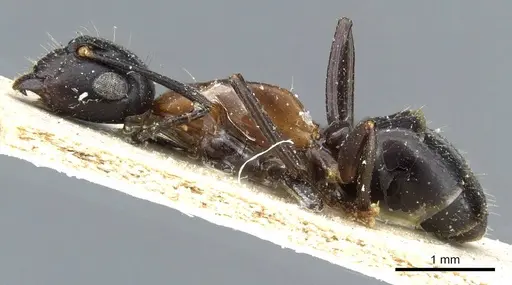
CASENT0905199
AntWebで見る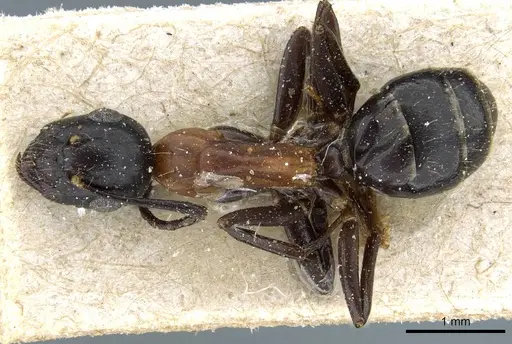
文献
分布マップを読み込み中...製品情報を読み込み中...