
Camponotus furvus
- 学名
- Camponotus furvus
- 亜属
- Myrmacrhaphe
- 族
- Camponotini
- 亜科
- Formicinae
- 命名者
- Santschi, 1911
- 分布
- 0 か国で発見
紹介
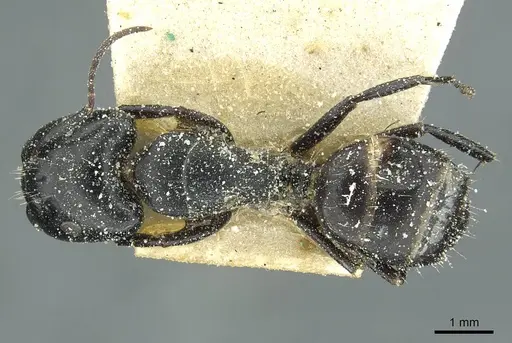
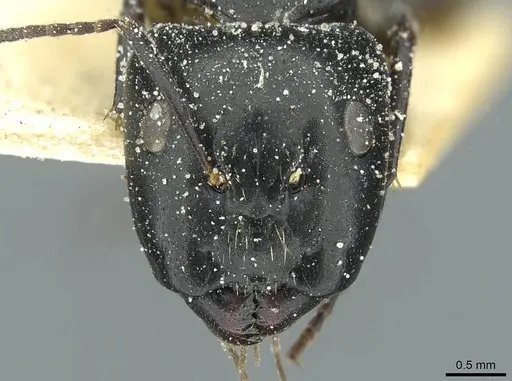
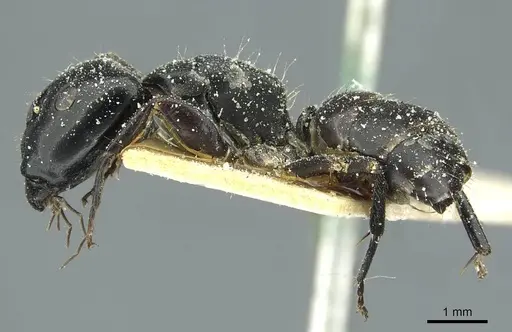
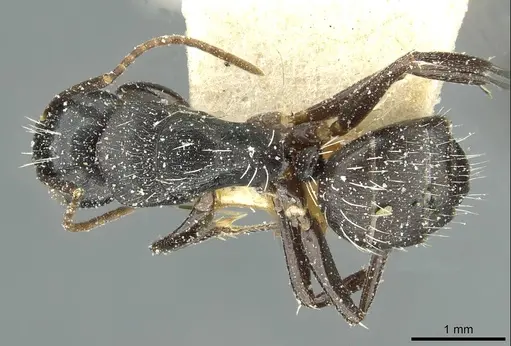
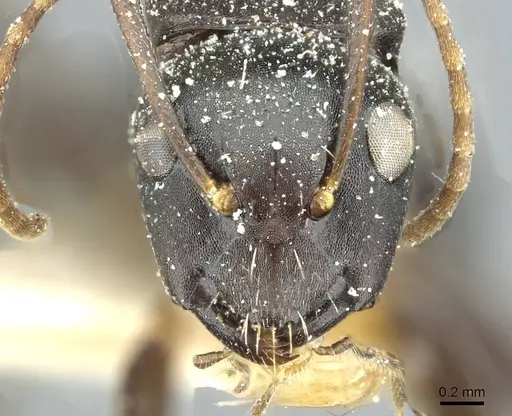
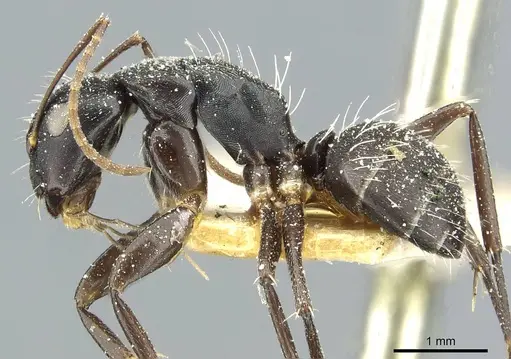
Camponotus furvus is an African carpenter ant species belonging to the subfamily Formicinae. Originally described as a variety of Camponotus buchholzi in 1911,it was later elevated to full species status in 1926. Workers come in two sizes: major workers (larger) and minor workers (smaller), typical of Camponotus species. This ant is found across central and west Africa, including Congo, Democratic Republic of Congo, and Gambia. They have been documented in timber plantation environments in Ghana, suggesting they can adapt to modified landscapes . The colony type and founding behavior for this specific species remain unconfirmed.
Quick Summary
- Difficulty: Medium
- Origin & Habitat: Afrotropical region, specifically Congo, Democratic Republic of Congo, and Gambia. They inhabit tropical forest environments and have been found in timber plantation settings in West Africa [1].
- Colony Type: Unconfirmed. Colony structure for this specific species has not been documented in the literature. Based on typical Camponotus patterns, they may be monogyne, but this is not verified.
- Size & Growth:
- Queen: Size data unavailable, inferred from typical Camponotus genus queen size range (~12-16mm)
- Worker: Size data unavailable for this species. Major and minor castes present typical of Camponotus genus.
- Colony: Maximum colony size unconfirmed for this species. Based on Camponotus genus patterns, colonies likely reach several thousand workers at maturity.
- Growth: Growth rate unconfirmed for this species.
- Development: Development time unconfirmed for this species. Based on typical Camponotus patterns, first workers may emerge in 6-8 weeks under warm conditions. (Development time varies with temperature, warmer conditions accelerate development.)
- Antkeeping:
- Temperature: Keep at 24-27°C during active season. A temperature gradient allows ants to regulate their own conditions. Room temperature (22-25°C) is generally suitable for this species.
- Humidity: Moderate humidity around 50-60%. They prefer slightly drier conditions compared to many tropical ants. Provide a water tube but avoid oversaturation.
- Diapause: Unknown for this specific species. Many African Camponotus may reduce activity during cooler/drier periods but true hibernation is not typical for tropical species.
- Nesting: Y-tong (AAC) nests work well for this species. They can also adapt to plaster nests or naturalistic setups with rotting wood pieces. Provide narrow chambers scaled to their size.
- Behavior: Camponotus furvus is a typical carpenter ant, generally calm and not aggressive toward keepers. Workers are moderately active and forage for honeydew, sugar sources, and insect prey. As Formicinae, they lack a functional sting but can bite and spray formic acid from their acidopore if threatened. Escape risk is moderate, standard barrier methods (Fluon) on test tube rims are sufficient. They are primarily nocturnal or crepuscular foragers.
- Common Issues: colonies may fail if kept too cold, maintain warm conditions above 22°C, overfeeding can lead to mold problems in nest areas, wild-caught colonies may carry parasites that cause colony collapse, slow founding phase means new keepers may give up too soon, major workers are powerful and can chew through weak barriers
Nest Preferences
Camponotus furvus adapts well to various captive nest setups. Y-tong (acrylic) nests provide excellent visibility and work well for colonies of all sizes. Plaster nests are also suitable and help maintain stable humidity. For founding colonies, a simple test tube setup with a water reservoir works perfectly, the queen seals herself into a dark chamber and remains there until her first workers emerge. Provide nesting chambers scaled to colony size, avoid overly large spaces that can make small colonies feel insecure. Include some rotting wood pieces or bark in naturalistic setups to mimic their natural carpenter ant behavior.
Feeding and Diet
Like most Camponotus species, these ants are omnivorous with a preference for sugar sources. Offer sugar water (1:1 ratio with water) or honey diluted with water as a constant food source. Protein is essential for brood development, offer small insects like fruit flies, mealworms, or crickets appropriate to the worker size. They will also collect honeydew if you have access to aphid-infested plants. Feed minor workers smaller prey items, major workers can tackle larger prey. Remove uneaten prey after 24-48 hours to prevent mold. During the founding phase, the queen typically does not eat, she relies on stored fat reserves until first workers emerge.
Temperature and Care
Maintain temperatures between 24-27°C for optimal colony growth and brood development. Camponotus furvus originates from tropical Africa, so they thrive in warm conditions. A heating cable or mat placed on one side of the nest creates a temperature gradient that allows ants to self-regulate. Place the heating element on top of the nest to avoid drying out the substrate too quickly. Room temperature (22-25°C) is acceptable if your home stays in this range, but growth will be slower. Avoid temperatures below 20°C for extended periods as this can weaken or kill colonies. They do not require true hibernation but may reduce activity during cooler periods.
Behavior and Temperament
This species exhibits typical carpenter ant behavior, calm, methodical, and generally non-aggressive. Workers are moderately sized. As members of the subfamily Formicinae, they lack a functional sting but can deliver a bite and spray formic acid from their acidopore if threatened. They are primarily nocturnal foragers in the wild, so you may notice increased activity during evening and night hours in captivity. Major workers serve as soldiers and defenders, while minor workers handle most foraging and brood care. They communicate through chemical trails and will recruit nestmates to good food sources. Escape prevention is important, while not extreme escape artists, they can squeeze through small gaps. Apply Fluon or similar barriers to all openings.
Colony Founding
Founding behavior is unconfirmed for this species. Most Camponotus queens are claustral, the queen seals herself into a small chamber and does not leave to forage. She relies on stored fat reserves to survive and produce her first brood. This process typically takes 4-8 weeks depending on temperature. The queen will lay eggs, which develop through larvae and pupae before emerging as nanitic (first) workers. These first workers are typically smaller than normal workers but will begin foraging for food to support further colony growth. During this phase, do not disturb the queen or offer food, she may abandon or consume her brood if stressed. Once workers emerge, you can begin offering sugar water and small prey.
Frequently Asked Questions
How long does it take for Camponotus furvus to produce first workers?
Exact development time is unconfirmed for this species. Based on typical Camponotus patterns, expect first workers (nanitics) to emerge 6-8 weeks after the queen lays eggs, assuming temperatures around 24-27°C. Cooler conditions will slow development significantly.
Can I keep Camponotus furvus in a test tube?
Yes, test tubes work perfectly for founding colonies. Use a standard test tube with a water reservoir sealed with cotton, the queen will seal herself in and remain there until her first workers emerge.
What do Camponotus furvus eat?
They need a balanced diet of sugar (honey water or sugar water) and protein (small insects like fruit flies, mealworms, or crickets). Sugar water should be available constantly, offer protein 2-3 times per week.
Are Camponotus furvus good for beginners?
They are moderately difficult, easier than some exotic species but require attention to temperature and feeding. Their moderate growth rate and calm temperament make them manageable for intermediate antkeepers.
When should I move my colony to a formicarium?
Move to a larger nest setup when the colony reaches 30-50 workers and the test tube becomes crowded. A Y-tong or plaster nest works well for growing colonies.
How big do Camponotus furvus colonies get?
Maximum colony size is unconfirmed for this species. Based on typical Camponotus genus patterns, mature colonies may reach several thousand workers.
Do Camponotus furvus need hibernation?
True hibernation is not required as they are a tropical species. However, they may naturally reduce activity during cooler periods. No extended cold diapause is necessary.
Why is my colony declining?
Common causes include: temperatures below 20°C, oversaturation leading to mold, poor nutrition, or parasites from wild-caught colonies. Check temperature, reduce humidity, and ensure proper feeding.
Can I keep multiple queens together?
This is not recommended. While some Camponotus can be pleometrotic (found nests together), combining unrelated foundresses typically results in fighting. Keep queens separate during founding.
Report an Issue
The current care sheet is based fully on literature. See inconsistencies, or something that's incorrect? Please , it will be resolved after review from an admin. Contributing to the blogs tab also helps providing information, to make us be able to further improve the caresheets. Thank you for your support!
References

この飼育シートのライセンスは: CC BY-SA 4.0 .
コミュニティブログ
文献
分布マップを読み込み中...製品情報を読み込み中...