
Camponotus ezotus
- 学名
- Camponotus ezotus
- 亜属
- Myrmosaga
- 族
- Camponotini
- 亜科
- Formicinae
- 命名者
- Bolton, 1995
- 分布
- 0 か国で発見
紹介
Camponotus ezotus is a carpenter ant species native to Colombia . Like other Camponotus species, they have the classic carpenter ant body plan with a distinct metanotum, polymorphic workers ranging from small minors to large major workers, and a smooth, rounded gaster. Queens are chunky and robust, typical of the genus. This species has not been extensively studied in the scientific literature. Size data is unavailable for this species - queen and worker sizes are inferred from typical Camponotus genus patterns. They are a tropical species from Colombia, which means they prefer warm and humid conditions year-round.
Quick Summary
- Difficulty: Medium
- Origin & Habitat: Colombia, specific habitat details are unconfirmed, but likely inhabits tropical forests or forest edges at low to mid elevations [1]
- Colony Type: Likely monogyne based on typical Camponotus patterns, single queen colonies are common in this genus, though not directly documented for this species
- Size & Growth:
- Queen: Size data unavailable, inferred from typical Camponotus genus patterns (~15-18mm)
- Worker: Size data unavailable, inferred from typical Camponotus genus patterns, polymorphic (~6-14mm)
- Colony: Likely reaches several thousand workers at maturity based on typical Camponotus colony development
- Growth: Moderate, Camponotus species typically grow more slowly than smaller ants, taking several months to a year to establish
- Development: Estimated 6-10 weeks at optimal temperature based on related Camponotus species (Development time is temperature-dependent, warmer temperatures within acceptable range speeds development, cooler temperatures slow it down)
- Antkeeping:
- Temperature: Keep around 24-28°C. As a tropical species from Colombia, they prefer warm conditions. A heating cable on one side of the nest creates a temperature gradient they can choose from
- Humidity: Keep moderately humid, around 60-80%. Provide a water tube for drinking water and mist the outworld occasionally. The nest should have damp substrate but not be waterlogged
- Diapause: Not required. As a tropical species from Colombia, they do not experience cold winters that would trigger hibernation. They remain active year-round at room temperature
- Nesting: In captivity, Y-tong (AAC) nests, plaster nests, or naturalistic setups work well. They prefer dark, secure nesting areas. Provide a formicarium with chambers sized appropriately for their colony size
- Behavior: Workers are typically moderate in activity level, not hyperactive but actively forage. They are omnivorous, accepting both sugar sources (honey, sugar water) and protein (insects, frozen fruit flies). Major workers can deliver a mild bite if threatened, but they are not particularly aggressive. Escape prevention should be moderate, while not the smallest ants, they can still escape through small gaps if determined. They are nocturnal to crepuscular, being most active during evening and night hours. Defense mechanism: lacks a functional sting, instead, they bite the target and spray concentrated formic acid from an acidopore into the wound.
- Common Issues: tropical species may struggle in cool rooms, keep warm to prevent sluggishness or colony decline, colonies grow slowly by ant standards, resist the urge to overfeed or disturb the nest frequently, wild-caught colonies may carry parasites, quarantine and observe new colonies before introducing to established setups, test tube setups work for founding but colonies will need to move to a formicarium as they grow, provide a proper nesting area before they outgrow the tube, queen can be sensitive during founding, minimize vibrations and disturbances until workers emerge
Housing and Nest Setup
For founding colonies, a standard test tube setup works well. Fill a test tube about one-third with water, plug with cotton, and place the queen in the tube. The queen will seal herself into a chamber and remain there until her first workers (nanitics) emerge. Keep the tube in darkness and avoid disturbances during this founding period. Once the colony reaches 15-30 workers, you can transfer them to a formicarium. Y-tong (AAC) nests are excellent for Camponotus because they provide darkness, humidity control, and easy observation. Plaster nests also work well and help maintain humidity. The outworld should have a water tube for drinking and a foraging area where you can offer food. Use a barrier of fluon or similar escape prevention around the edges of the outworld.
Feeding Your Colony
Camponotus ezotus is omnivorous like most carpenter ants. They need a balanced diet of sugar and protein. Offer sugar water (1:1 ratio) or honey at least twice weekly, keep a constant supply available. For protein, offer small insects like fruit flies, pinhead crickets, mealworms, or frozen bloodworms. Feed protein every 2-3 days, adjusting based on how quickly they consume it. Remove uneaten prey after 24 hours to prevent mold. They may also accept small amounts of fruit or seeds, but protein should be the primary food source for growing colonies. Fresh water should always be available.
Temperature and Seasonal Care
As a tropical species from Colombia, Camponotus ezotus prefers warm conditions year-round. Keep the nest area at 24-28°C. A heating cable placed on top of the nest (never underneath where it could dry out the substrate) can create a gentle temperature gradient. Room temperature is often acceptable if your home is naturally warm, but watch for sluggishness in cooler months. Unlike temperate species, they do not require a hibernation period. They remain active throughout the year, though you may notice slightly reduced activity during cooler periods. Avoid placing their setup near air conditioning vents or drafty windows.
Colony Development and Growth
Camponotus colonies grow more slowly than many common ant species. After the queen lays her first eggs, expect 6-10 weeks for those eggs to develop into first workers (nanitics) at optimal temperature. These first workers are smaller than normal workers but will begin foraging for food to support the colony. Once workers are active, the colony enters a growth phase where the queen's egg-laying rate increases. A healthy colony should reach several hundred workers within 1-2 years. The growth rate depends heavily on feeding frequency and temperature, better nutrition and warmer conditions speed development. Major workers (larger soldiers) typically appear once the colony reaches several hundred workers.
Frequently Asked Questions
How long does it take for Camponotus ezotus to have first workers?
Expect 6-10 weeks from egg to first worker at optimal temperature (around 24-28°C). This timeline is based on related Camponotus species since specific development data for C. ezotus is not available. The first workers (nanitics) will be smaller than normal workers but will begin caring for the colony immediately.
What do Camponotus ezotus ants eat?
They are omnivorous. Offer sugar water or honey constantly for energy, and feed protein (insects like fruit flies, mealworms, or bloodworms) every 2-3 days. They will also drink water from a tube. Remove uneaten food after 24 hours to prevent mold.
Are Camponotus ezotus good for beginners?
They are considered medium difficulty. They are more forgiving than some species but require warm temperatures year-round and have slower growth than smaller ants. They are a good choice if you have some basic antkeeping experience and can maintain consistent temperatures.
Do Camponotus ezotus need hibernation?
No. As a tropical species from Colombia, they do not require a hibernation period. They remain active year-round at room temperature or slightly warmer. Do not expose them to cold temperatures intended to induce dormancy.
How big do Camponotus ezotus colonies get?
Based on typical Camponotus development, colonies likely reach several thousand workers at maturity over 2-3 years with good care. They are not among the largest carpenter ants but can still form substantial colonies.
When should I move my colony to a formicarium?
Transfer to a formicarium once the colony reaches 15-30 workers. Before then, a test tube setup is sufficient for the founding colony. Make sure the formicarium has appropriately sized chambers and good humidity control before transferring.
Can I keep multiple Camponotus ezotus queens together?
This species is likely monogyne (single queen). Combining unrelated queens has not been documented and is not recommended. If you start with multiple foundress queens, they should be separated into individual setups to prevent fighting.
What temperature is best for Camponotus ezotus?
Keep them at 24-28°C. This tropical species prefers warm conditions. A temperature gradient allows workers to choose their preferred area. Avoid temperatures below 20°C for extended periods.
Why is my colony growing slowly?
Slow growth is normal for Camponotus. Factors that can further slow development include temperatures below optimal (below 24°C), underfeeding, or frequent disturbances to the nest. Ensure warm temperatures, consistent feeding, and minimal nest disturbances for best growth.
Report an Issue
The current care sheet is based fully on literature. See inconsistencies, or something that's incorrect? Please , it will be resolved after review from an admin. Contributing to the blogs tab also helps providing information, to make us be able to further improve the caresheets. Thank you for your support!
References

この飼育シートのライセンスは: CC BY-SA 4.0 .
コミュニティブログ
FOCOL2245
AntWebで見る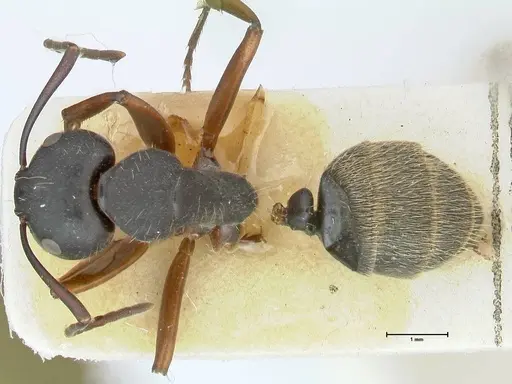
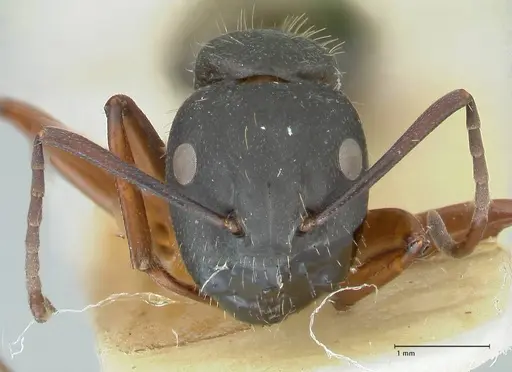
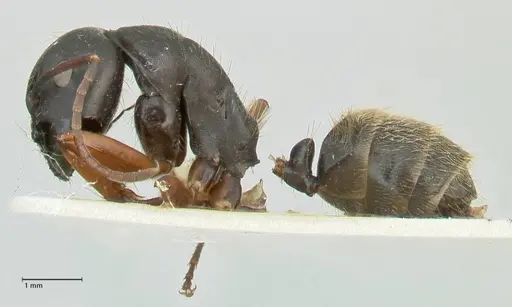
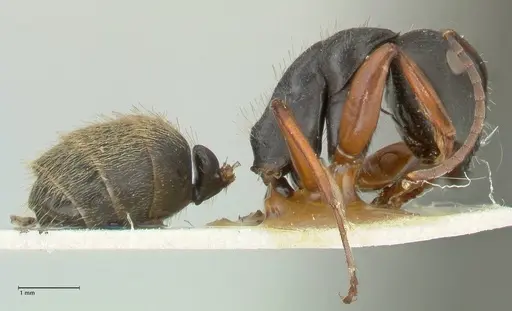
文献
分布マップを読み込み中...製品情報を読み込み中...