
Camponotus crassicornis
- 学名
- Camponotus crassicornis
- 亜属
- Myrmobrachys
- 族
- Camponotini
- 亜科
- Formicinae
- 命名者
- Emery, 1920
- 分布
- 0 か国で発見
紹介
Camponotus crassicornis is a Neotropical carpenter ant species native to Bolivia and Brazil, found in the tropical forests of these regions . Workers are polymorphic, with major and minor castes present. This species belongs to the subgenus Myrmobrachys, a group of slender ants that typically nest in rotting wood or hollow plant stems. The species was recently reclassified from the dimorphus-group to the senex-group based on morphological studies . These ants have the characteristic Camponotus body shape with a distinct constriction between the mesosoma and gaster.
Quick Summary
- Difficulty: Medium
- Origin & Habitat: Native to the Neotropical region, specifically Bolivia and Brazil. Found in tropical forest habitats where they likely nest in rotting wood or hollow stems [1].
- Colony Type: Colony type is unconfirmed for this species. Queens may be claustral based on typical Camponotus patterns.
- Size & Growth:
- Queen: Size data unavailable for this species, inferred from typical Camponotus queen size range (~12-15mm)
- Worker: Size data unavailable for this species, polymorphic Camponotus workers typically range 4-12mm
- Colony: Colony size is unconfirmed for this specific species
- Growth: Growth rate is unconfirmed for this species
- Development: Development time is unconfirmed for this species (First workers (nanitics) are typically smaller than normal workers in Camponotus species.)
- Antkeeping:
- Temperature: Temperature requirements are unconfirmed for this species. As a Neotropical species from Bolivia and Brazil, keep at warm tropical temperatures (24-28°C) and monitor colony activity.
- Humidity: Humidity requirements are unconfirmed. As a tropical species, moderate to high humidity (60-80%) is recommended. Keep the nest substrate moist but not waterlogged.
- Diapause: No, as a tropical species from Bolivia and Brazil, they do not require hibernation. Keep temperatures consistent year-round.
- Nesting: Provide a nest in rotting wood or a Y-tong/plaster formicarium with chambers scaled to their size. They prefer dark, secure nesting sites.
- Behavior: Behavior is unconfirmed for this species. Based on typical Camponotus patterns, workers are likely moderately active and forage for sugar sources and protein. They are not particularly aggressive but will defend the nest if threatened. Escape risk is moderate, use standard barrier methods.
- Common Issues: tropical temperature requirements mean colonies can slow down or die if kept too cool, colonies may fail if humidity drops too low, they need consistent moisture, slow founding phase, queens may seal themselves in for weeks or months before first workers appear, wild-caught colonies may harbor parasites that can decimate captive colonies, overfeeding can lead to mold problems in the nest
Nest Preferences
In the wild, Camponotus crassicornis likely nests in rotting wood, hollow stems, and similar protected cavities based on its placement in the subgenus Myrmobrachys. For captive care, Y-tong (AAC) nests or plaster nests work well, both provide the dark, secure environment they prefer. The chambers should be appropriately sized to the worker caste present, polymorphic colonies have both major and minor workers, so provide a range of passage sizes. Avoid glass observation nests initially, these ants often prefer darker spaces during founding. Test tube setups work for founding colonies, but be prepared to move them to a proper formicarium once the colony reaches 30+ workers. The nest should have a water reservoir to maintain humidity without frequent disturbance. [1]
Feeding and Diet
Like most Camponotus species, C. crassicornis is likely omnivorous. They need a constant sugar source (honey water, sugar water, or honey) available at all times. For protein, offer small insects like fruit flies, small crickets, mealworms, or waxworms. Feed protein 2-3 times per week, adjusting based on colony size and consumption. Remove uneaten prey after 24-48 hours to prevent mold. Major workers can help process larger prey items. This species does not require specialized diets, standard ant feeding protocols work well. Always ensure fresh water is available. [1]
Temperature and Care
As a Neotropical species from Bolivia and Brazil, C. crassicornis requires warm temperatures year-round. Keep the nest area at 24-28°C (75-82°F). Temperatures below 22°C can slow colony development significantly, and prolonged cold can be fatal. Use a heating cable or heating mat on one side of the nest to create a temperature gradient, this allows workers to move between warmer and cooler areas as needed. Place the heating element on top of the nest, not underneath, to avoid evaporating moisture too quickly. Room temperature may be sufficient if your home stays in the mid-to-high 70s°F, but monitor colony activity to ensure they are comfortable and growing. [1]
Colony Founding
Founding behavior is unconfirmed for this species. Based on typical Camponotus patterns, queens are likely claustral, meaning they seal themselves inside a chamber and raise their first brood without leaving to forage. The queen uses stored fat reserves to produce eggs and feed the developing larvae. This founding phase can take 1-3 months or longer depending on temperature, warmer conditions speed development. The queen will lay eggs, which hatch into larvae, then pupate, and emerge as nanitics (first small workers). Do not disturb the founding chamber during this time, vibrations and light can cause the queen to abandon or eat her brood. Once the first workers emerge, you can begin offering tiny amounts of sugar water near the nest entrance, but the colony will continue relying on the queen's reserves for some time. [1]
Behavior and Temperament
Behavior is unconfirmed for this species. Based on typical Camponotus patterns, workers are likely moderately docile and may be nocturnal or crepuscular in their foraging activity. They are not aggressive toward keepers but will bite if directly threatened and can spray formic acid as a defense (this is typical for the Formicinae subfamily). Major workers have enlarged heads and serve as soldiers or food processors rather than primary foragers. The colony will establish clear foraging trails once established. Workers communicate through chemical signals and can recruit nestmates to food sources. This species is not known for excessive escaping, but standard barrier methods (Fluon on edges, tight-fitting lids) should still be used. They adapt well to captive environments once established. [1]
Frequently Asked Questions
How long does it take for Camponotus crassicornis to produce first workers?
Development time is unconfirmed for this specific species. Based on typical Camponotus patterns, first workers may appear in 6-8 weeks at optimal temperatures (24-28°C), but this varies significantly. Be patient during founding, disturbing the queen can cause her to eat her brood.
What temperature do Camponotus crassicornis need?
Temperature requirements are unconfirmed for this species. As a Neotropical species from Bolivia and Brazil, keep them at warm tropical temperatures (24-28°C / 75-82°F). A heating cable on one side of the nest creates a gradient. Room temperature is only suitable if your home stays consistently in the mid-to-high 70s°F.
Can I keep multiple Camponotus crassicornis queens together?
Colony type is unconfirmed for this species. Based on typical Camponotus patterns, they are likely monogyne (single queen). Combining unrelated queens will likely result in fighting. Only keep one queen per colony unless you observe otherwise.
What do Camponotus crassicornis eat?
They are likely omnivorous. Provide a constant sugar source (honey water, sugar water, or honey) and protein sources like small insects (fruit flies, small crickets, mealworms). Feed protein 2-3 times per week and remove uneaten prey after 24-48 hours.
Are Camponotus crassicornis good for beginners?
They are rated as medium difficulty. The main challenges are their unconfirmed temperature requirements and potentially slow founding phase. If you can maintain warm temperatures and are patient through the founding stage, they may be manageable for beginners.
When should I move my colony to a formicarium?
Move them when the test tube or founding setup becomes crowded (typically 30+ workers) or the water reservoir is depleted. Transfer with as much of the original substrate as possible to preserve colony scent.
Do Camponotus crassicornis need hibernation?
No. As a tropical species from Bolivia and Brazil, they do not require hibernation or diapause. Keep temperatures consistent year-round.
How big do Camponotus crassicornis colonies get?
Colony size is unconfirmed for this specific species. Typical Camponotus colonies reach several thousand workers, but this may vary for this species.
Why is my founding queen not producing workers?
This can take several months. Ensure the queen is in a dark, undisturbed location at warm tropical temperatures (24-28°C) with adequate moisture. If the queen has been in founding for over 4 months without results, she may have died or aborted the brood. Do not disturb the chamber to check, this often causes queens to eat their brood.
Report an Issue
The current care sheet is based fully on literature. See inconsistencies, or something that's incorrect? Please , it will be resolved after review from an admin. Contributing to the blogs tab also helps providing information, to make us be able to further improve the caresheets. Thank you for your support!
References

この飼育シートのライセンスは: CC BY-SA 4.0 .
コミュニティブログ
CASENT0905521
AntWebで見る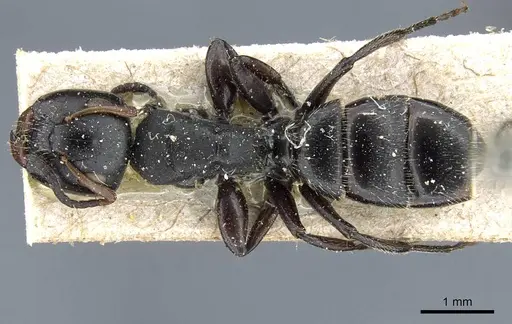
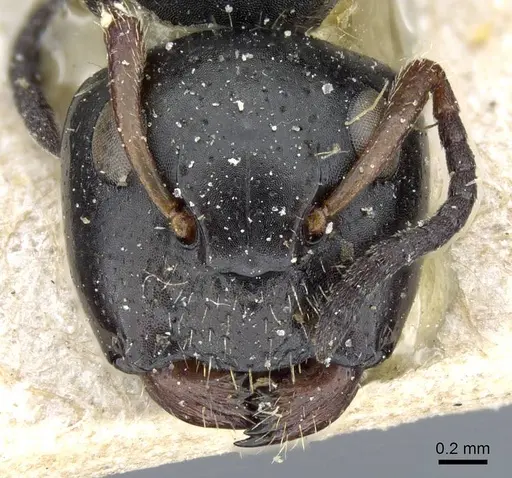
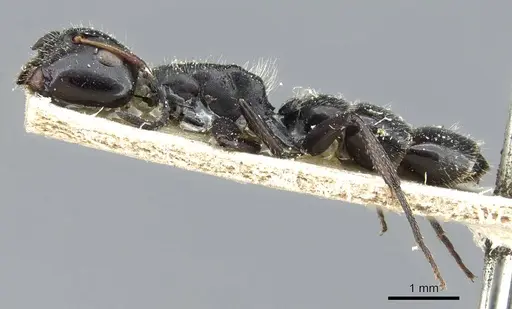
文献
分布マップを読み込み中...製品情報を読み込み中...