
Bothriomyrmex urartus
- 学名
- Bothriomyrmex urartus
- 族
- Bothriomyrmecini
- 亜科
- Dolichoderinae
- 命名者
- Dubovikov, 2002
- 分布
- 0 か国で発見
紹介
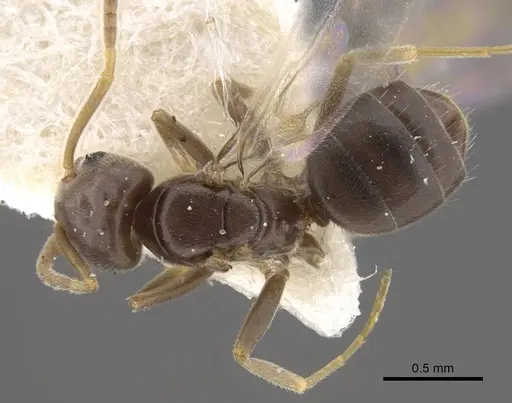
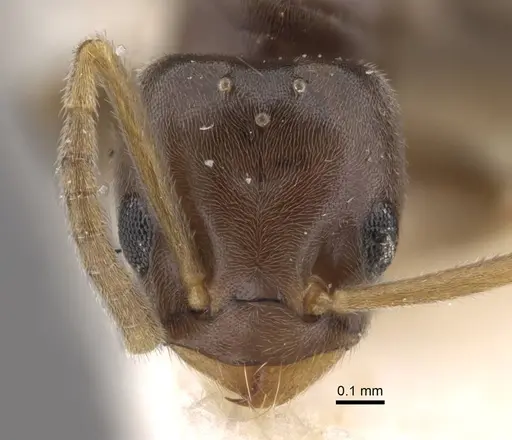
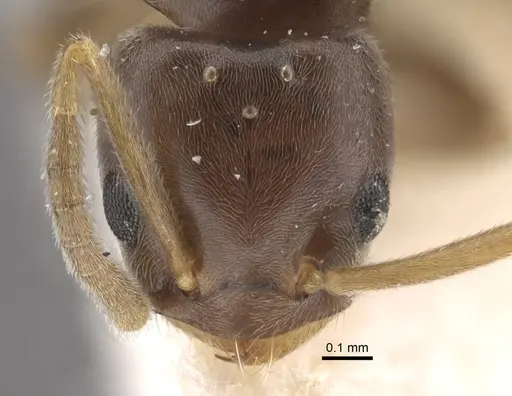
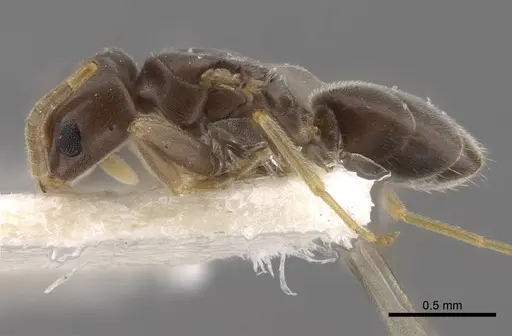
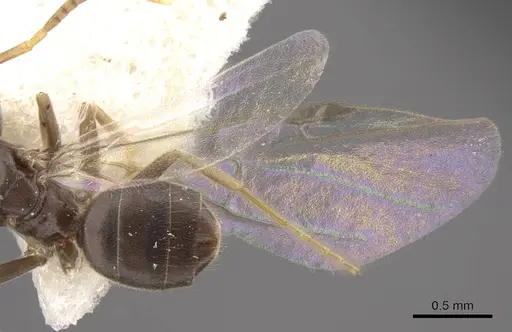
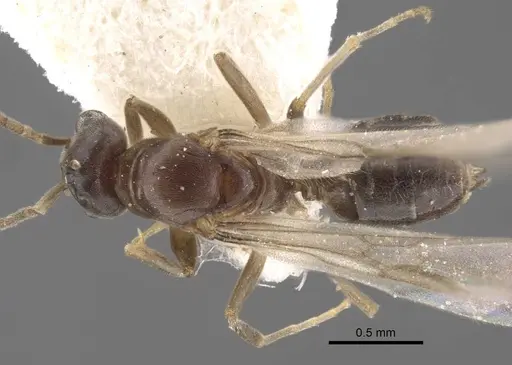
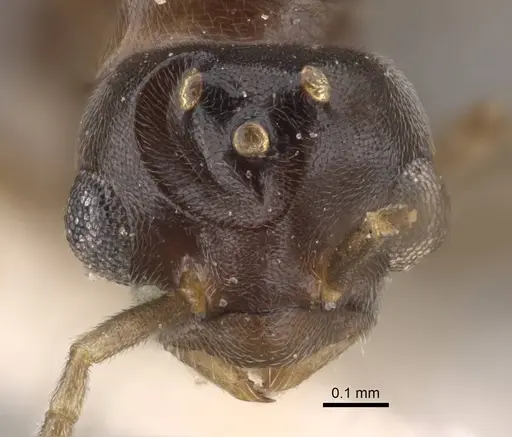
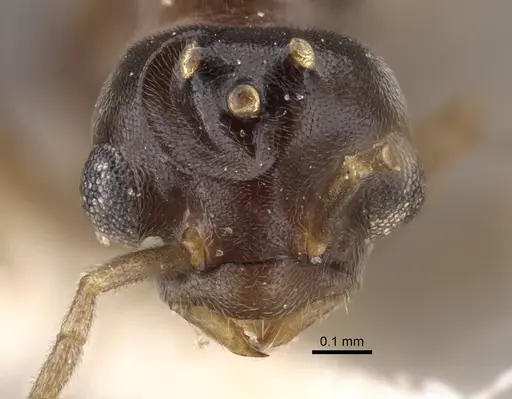
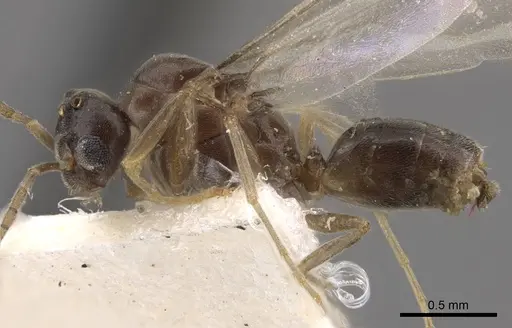
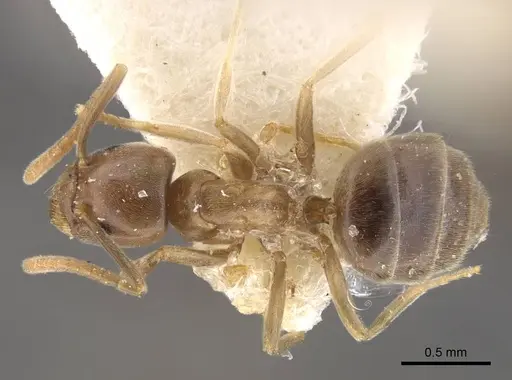
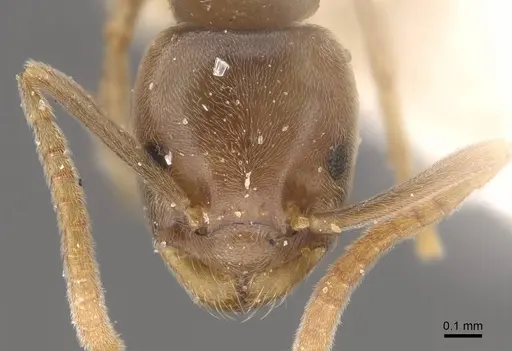
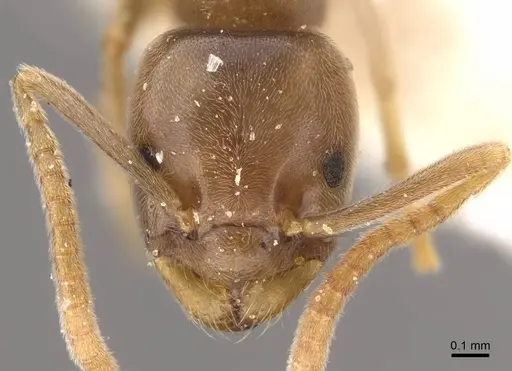
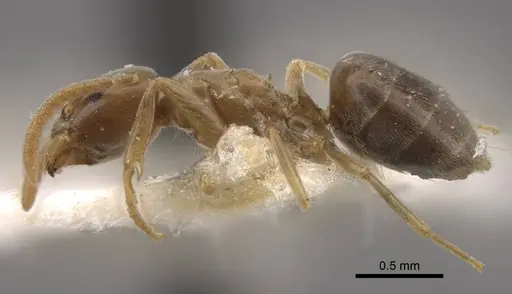
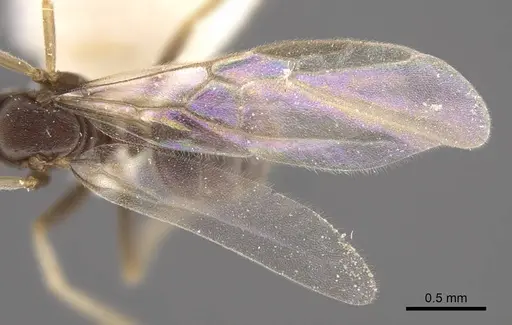
Bothriomyrmex urartus is a small dolichoderine ant species endemic to Armenia, named after the ancient Urartu civilization that once existed in the Armenian Highlands. Workers have a light brown head, thorax, and legs with a dark abdomen, while queens and males are darker overall. The species inhabits open arid biotopes and nests under stones. This is an extremely rarely kept species with almost no documented captive care information.
Quick Summary
- Difficulty: Unknown, an experimental species with no established husbandry protocols
- Origin & Habitat: Armenia, open arid biotopes, nests under stones [1]
- Colony Type: Unconfirmed colony structure
- Size & Growth:
- Queen: Size data unavailable, no body measurements exist for this species
- Worker: Size data unavailable, no body measurements exist for this species
- Colony: Unknown, likely small colonies based on genus patterns
- Growth: Unknown
- Development: Unknown (No development data exists for this species.)
- Antkeeping:
- Temperature: Keep warm and stable, roughly low-to-mid 20s°C, exact needs unclear
- Humidity: Low, arid habitat species, keep substrate mostly dry
- Diapause: Unknown, no documented hibernation requirements
- Nesting: Naturalistic setup with stones or test tube setup with dry to moderately damp substrate
- Behavior: Behavior is poorly documented. Bothriomyrmex ants are typically non-aggressive and docile. Escape prevention should be moderate given their small size.
- Common Issues: no species-specific care information exists, no established husbandry protocols in the antkeeping hobby, wild-caught colonies may struggle to adapt to captivity, arid requirements may conflict with standard test tube setups, nuptial flight timing is mid-June, timing may be critical for successful mating
Species Background and Identification
Bothriomyrmex urartus is a recently described species (Dubovikoff,2002) endemic to Armenia. It was previously misidentified as Bothriomyrmex communista until taxonomic revision clarified it as a distinct species. Workers are difficult to distinguish from related species, with measurement indices often overlapping with B. communista. The species is named after the ancient Urartu civilization that existed in the Armenian Highlands between the 9th and 6th centuries BCE. This is a rarely encountered ant species both in the wild and in captivity, with minimal research on its biology beyond basic morphology. [1]
Natural History and Habitat
In the wild, Bothriomyrmex urartus inhabits open arid biotopes in Armenia. Nests are constructed under stones, which provides protection from the harsh continental climate of the region. Winged sexual individuals (queens and males) have been found in nests during mid-June, suggesting this is the primary nuptial flight period. The species prefers dry, open habitats rather than forested areas, which informs its captive humidity requirements. Armenia experiences hot summers and cold winters, suggesting the species has adapted to temperature extremes. [1]
Housing and Nesting
Based on natural nesting behavior under stones in arid habitats, a naturalistic setup with flat stones placed on sandy or rocky substrate would closely mimic their natural environment. Alternatively, a test tube setup can work, but the substrate should be kept relatively dry rather than constantly moist. The species likely prefers a dry environment rather than the humid conditions preferred by many tropical ants. Ensure the nest has some humidity gradient so ants can select their preferred microclimate. Given their small size, standard escape prevention measures should be adequate, though fine mesh is recommended as a precaution. [1]
Temperature and Seasonal Care
No specific temperature requirements have been documented for this species. However, given its origin in Armenia's arid habitats, it likely tolerates warmer temperatures during the active season. The species experiences distinct seasons in its native range, with hot summers and cold winters. While diapause requirements are unconfirmed, providing a cool period during winter months (around 10-15°C) similar to other temperate ant species would be prudent. The mid-June nuptial flight timing suggests the species is active during warm summer months. [1]
Feeding and Diet
Feeding habits are unconfirmed for Bothriomyrmex urartus specifically. Bothriomyrmex species are typically omnivorous, feeding on honeydew from aphids and small insects. In captivity, offer sugar water or honey as an energy source, along with small protein sources like fruit flies, small mealworms, or other appropriately-sized insects. Given the arid habitat preference, ensure any moisture sources are available but not excessive. Start with small offerings and observe acceptance rates.
Challenges and Considerations
This species presents significant challenges for antkeepers due to the complete lack of documented captive care information. Unlike common species like Camponotus or Lasius, there are no established husbandry protocols or community knowledge to draw from. Any colony obtained will likely be wild-caught, which carries risks of parasites, stress from transport, and difficulty adapting to captivity. Potential keepers should approach this species as a true challenge species requiring experimental care protocols. Success would contribute valuable information to the antkeeping community.
Frequently Asked Questions
How do I keep Bothriomyrmex urartus ants?
No established care protocol exists for this species. Based on natural habitat (arid open areas in Armenia, nesting under stones), provide a relatively dry setup with a temperature gradient around low-to-mid 20s°C. Use a naturalistic setup with stones or a test tube with dry substrate. This is an experimental species to keep.
What do Bothriomyrmex urartus eat?
Feeding is unconfirmed for this species specifically. Based on genus patterns, offer sugar water or honey for energy and small insects like fruit flies or pinhead crickets for protein. Start with small offerings and monitor acceptance.
How big do Bothriomyrmex urartus colonies get?
Colony size is unknown. Based on typical Bothriomyrmex species, colonies likely remain relatively small. This species is not known for supercolonial growth.
When do Bothriomyrmex urartus have nuptial flights?
Winged sexual individuals have been found in nests during mid-June, suggesting this is the primary mating flight period in the wild.
Does Bothriomyrmex urartus need hibernation?
Diapause requirements are unconfirmed. However, given Armenia's continental climate with cold winters, providing a cool period (10-15°C) during winter months is likely appropriate and may be necessary for colony health.
Are Bothriomyrmex urartus good for beginners?
No. This is not a recommended species for beginners due to complete lack of documented care information, rarity, and likely challenging husbandry requirements. Stick to well-documented species like Lasius, Camponotus, or Messor for your first ant colony.
Where is Bothriomyrmex urartus found?
This species is endemic to Armenia in the Caucasus region. It was previously misidentified as Bothriomyrmex communista in Armenia. The species name refers to the ancient Urartu civilization that existed in this region.
Report an Issue
The current care sheet is based fully on literature. See inconsistencies, or something that's incorrect? Please , it will be resolved after review from an admin. Contributing to the blogs tab also helps providing information, to make us be able to further improve the caresheets. Thank you for your support!
References

この飼育シートのライセンスは: CC BY-SA 4.0 .
コミュニティブログ
文献
分布マップを読み込み中...製品情報を読み込み中...