
Aphaenogaster cavernicola
- 学名
- Aphaenogaster cavernicola
- 族
- Stenammini
- 亜科
- Myrmicinae
- 命名者
- Donisthorpe, 1938
- 分布
- 0 か国で発見
紹介
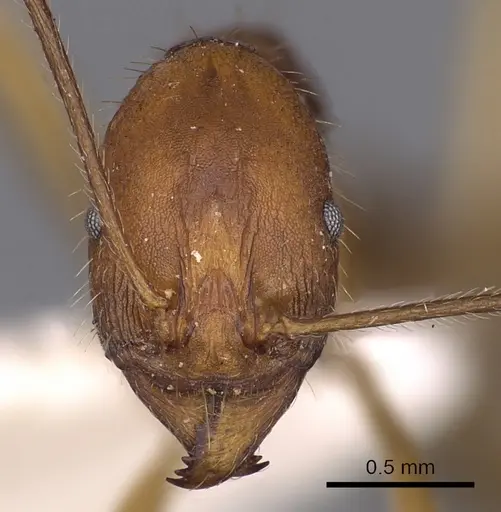
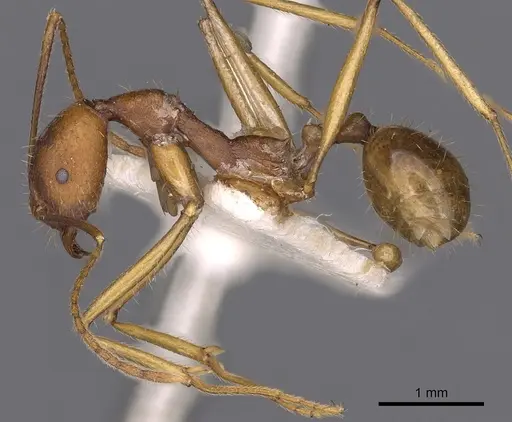
Aphaenogaster cavernicola is a rare cave-dwelling (troglobiotic) ant species endemic to the Himalayan mountains of northern India. The species name literally means "cave dweller." The type specimen was collected from Naldera Cave near Simla in Himachal Pradesh at approximately 2200 meters elevation . This is one of the few known cave-dwelling ants in the world, making it a highly specialized and unusual species. It is recorded only from this specific region in the Palearctic biogeographic zone at around 31°N latitude .
Quick Summary
- Difficulty: Expert
- Origin & Habitat: Caves in the Himalayan mountains of Himachal Pradesh, India, at approximately 2200 meters elevation [1][4][2].
- Colony Type: Unconfirmed. No data on queen number or colony structure exists for this species.
- Size & Growth:
- Queen: Size data unavailable, no measurements exist in scientific literature. Inferred from typical Aphaenogaster genus (~6-8mm).
- Worker: Size data unavailable, no measurements exist in scientific literature. Inferred from typical Aphaenogaster genus (~4-6mm).
- Colony: Unknown. No colony size data has been documented.
- Growth: Unknown
- Development: Unknown, no development data exists for this species. (Development likely slower than lowland species given high-altitude origin, but specific timeline unstudied.)
- Antkeeping:
- Temperature: Keep cool and stable, likely 15-20°C during active season. Winter cooling to 10-15°C likely needed given extratropical high-altitude origin [3][1]. Avoid temperatures above 25°C.
- Humidity: High humidity required, cave environments maintain near-saturated humidity. Keep nest substrate consistently damp but not waterlogged.
- Diapause: Likely yes, given extratropical high-altitude location at 31°N latitude [3][1].
- Nesting: Dark, humid cavities resembling cave conditions. Y-tong or plaster nests with light-blocking covers work best. Keep completely dark.
- Behavior: Behavior unstudied. Based on genus patterns, likely peaceful scavengers. Escape risk moderate given likely worker size of 4-6mm.
- Common Issues: overheating is a major risk, likely die if kept above 25°C for extended periods given high-altitude origin., extremely rare in captivity with no documented successful keeping attempts., light sensitivity likely given cave habitat, colonies may stress under bright lights., desiccation kills quickly if humidity drops below cave-like conditions., no captive breeding records exist, essentially unavailable in the ant trade.
Natural History and Cave Habitat
Aphaenogaster cavernicola is a specialized cave-dwelling (troglobiotic) ant species. The type specimen was collected from Naldera Cave in the Simla region of Himachal Pradesh at 2200 meters elevation [1][2]. This high-altitude cave environment suggests these ants live in complete darkness with near-saturated humidity and stable cool temperatures year-round. The species is endemic to India and has only been documented from Himachal Pradesh in the Palearctic biogeographic zone [4][3]. As an extratropical species at 31°N latitude, they likely experience seasonal temperature variations even within their caves [3]. Cave-dwelling ants typically forage in the immediate vicinity of cave entrances or within the cave system itself, often feeding on organic matter washed in from outside or small invertebrates living in the cave.
Temperature and Seasonal Care
Given their origin at 2200 meters in the extratropical Himalayas, these ants require cool conditions. Keep the nest area between 15-20°C during the active season. Unlike tropical cave species, they likely require a winter rest period (diapause) when temperatures drop to 10-15°C for several months [3][1]. Do not keep them warm year-round, this likely disrupts their natural cycle and may kill them. A heating cable is unnecessary and potentially harmful. If your home exceeds 22°C, you will need cooling solutions like a wine cooler or basement keeping.
Nesting Requirements
Replicate cave conditions: dark, humid, and cool. Use a Y-tong or plaster nest with tight-fitting chambers. Cover the nest completely to block all light, these ants avoid bright conditions. Maintain high humidity by keeping the nest substrate damp but not waterlogged, it should feel like fresh cave soil. Provide a humidity gradient if possible, with one side slightly damper. Ventilation should be minimal but present to prevent mold growth while retaining moisture. Because they are cave specialists, they may prefer narrow cracks and flat spaces over open chambers.
Feeding and Diet
While specific diet is unstudied, Aphaenogaster species are generally omnivorous scavengers. Offer small pieces of insects (fruit flies, cricket legs) and sugar sources (honey water, sugar water). They likely accept seeds as well. Feed small amounts frequently rather than large boluses, as cave colonies may have limited foraging ranges. Remove uneaten food quickly to prevent mold in the humid environment they require. Protein is essential for brood development, so ensure regular insect offerings.
Colony Founding
Founding behavior is unconfirmed for this species. Most Aphaenogaster queens are semi-claustral, meaning the queen leaves the nest to forage during the founding stage rather than sealing herself in completely. However, given the cave habitat and potential limited food availability, some cave-dwelling ants have adapted more conservative founding strategies. Start with the assumption that founding is unconfirmed and be prepared to offer food if the queen appears to be searching.
Frequently Asked Questions
Are Aphaenogaster cavernicola good for beginners?
No. These are expert-level ants due to their rarity, specialized cave habitat requirements, need for cool temperatures, and lack of captive keeping records. They are essentially unavailable in the ant trade and should only be attempted by experienced keepers with appropriate cooling equipment.
What temperature do Aphaenogaster cavernicola need?
Keep them cool, around 15-20°C during the active season, with winter cooling to 10-15°C for diapause. They come from 2200 meters elevation in the Himalayas and will likely die if kept above 25°C [1][3].
Do Aphaenogaster cavernicola need hibernation?
Likely yes. As an extratropical high-altitude species from the Himalayas, they probably require a winter rest period (diapause) at cooler temperatures [3][1].
How do I set up a cave-like nest for Aphaenogaster cavernicola?
Use a Y-tong or plaster nest with tight chambers, keep it completely dark with covers, and maintain high humidity (damp substrate). Block light completely and ensure the nest feels like cave soil, moist and cool.
Can I keep Aphaenogaster cavernicola in a test tube?
A test tube setup may work for founding if kept in complete darkness and cool temperatures, but ensure the water reservoir does not flood the queen. However, given their likely semi-claustral nature (typical for the genus), the queen may need to forage, making a small founding box with access to an outworld more suitable than a sealed test tube.
How long until Aphaenogaster cavernicola get their first workers?
Unknown. No development data exists for this species. Cooler temperatures may extend the timeline significantly.
Where do Aphaenogaster cavernicola come from?
They are known only from caves in Himachal Pradesh, India, specifically documented from Naldera Cave near Simla at 2200 meters elevation [1][4][2].
Report an Issue
The current care sheet is based fully on literature. See inconsistencies, or something that's incorrect? Please , it will be resolved after review from an admin. Contributing to the blogs tab also helps providing information, to make us be able to further improve the caresheets. Thank you for your support!
References

この飼育シートのライセンスは: CC BY-SA 4.0 .
コミュニティブログ
CASENT0900453
AntWebで見る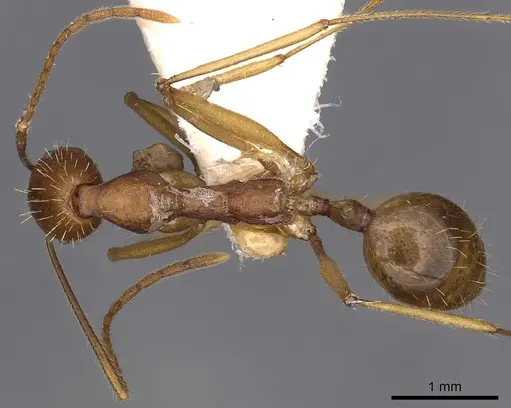
文献
分布マップを読み込み中...製品情報を読み込み中...