
Anonychomyrma minuta
- 学名
- Anonychomyrma minuta
- 族
- Leptomyrmecini
- 亜科
- Dolichoderinae
- 命名者
- Donisthorpe, 1943
- 分布
- 1 か国で発見
紹介
Anonychomyrma minuta is a small ant species from Waigeu Island in the Indonesian province of New Guinea . Scientists have only described workers from this species - no queens or males have been formally documented . The type specimens came from Camp Nok at approximately 760 meters elevation in tropical rainforest . Studies of New Guinea rainforest canopies show these habitats support abundant ant nests in the trees, with nest abundance increasing at higher elevations . As a member of the genus Anonychomyrma, they likely live arboreal lifestyles high in the forest canopy. Like other members of the subfamily Dolichoderinae, these ants lack stingers. Instead, they secrete defensive chemical compounds from a slit-like opening at the tip of the abdomen when threatened. Their small size - implied by the species name "minuta" - combined with arboreal habits suggests they are fast-moving and potentially skilled escape artists in captivity. Very little is known about their specific biology, making them a challenging species for antkeepers.
Quick Summary
- Difficulty: Hard
- Origin & Habitat: Waigeu Island, New Guinea (Indonesia). Tropical rainforest canopy at approximately 760 meters elevation [1][2].
- Colony Type: Unconfirmed. Colony structure has not been documented in scientific literature.
- Size & Growth:
- Queen: Unknown, queens undescribed [1].
- Worker: Unknown, size data unavailable [1].
- Colony: Unknown.
- Growth: Unknown.
- Development: Undocumented, no studies have examined development for this species. (Development timeline is unstudied. Related tropical Dolichoderinae may develop faster in warm conditions, but no specific data exists for this species.)
- Antkeeping:
- Temperature: Keep warm and stable, roughly 24-28°C. Being a tropical species, they likely need consistent warmth year-round.
- Humidity: High humidity is likely needed, keep nest substrate consistently moist but not waterlogged.
- Diapause: No, tropical species likely remains active year-round.
- Nesting: Arboreal setup recommended. Provide vertical nesting options like bamboo tubes, cork bark, or naturalistic setups with branches. Fine mesh under 0.5mm is critical for escape prevention due to their small size.
- Behavior: Arboreal and fast-moving. Lack stingers but can secrete defensive chemicals when threatened. Their tiny size means excellent escape prevention is critical.
- Common Issues: tiny size means escapes are likely without fine mesh barriers under 0.5mm., desiccation risk if humidity drops, tropical species need consistent moisture., disturbance sensitivity, arboreal colonies may abandon nests if handled frequently., undocumented care requirements mean most keepers are working from trial and error.
Natural History and Distribution
Anonychomyrma minuta comes from Waigeu Island off the coast of New Guinea [1]. The species was first described in 1943 from workers collected at Camp Nok, approximately 760 meters above sea level [1]. Scientists have not described queens or males for this species, which means their reproductive biology remains a mystery [1].
Research on New Guinea rainforest canopies shows these environments host dense ant populations in the trees, with nest abundance increasing at higher elevations, 8 nests at 200m,24 nests at 900m, and 45 nests at 1800m [2]. While this study did not identify specific Anonychomyrma minuta nests, it confirms the arboreal nature of ant communities in their native habitat. As a member of the genus Anonychomyrma, which dominates many New Guinea forest canopies, they likely spend their lives in trees rather than on the forest floor.
Housing and Nest Setup
Because they likely live in trees, provide vertical nesting space rather than horizontal layouts. Position test tubes vertically with the water reservoir at the bottom and the open end pointing up. Better options include bamboo tubes, cork bark flats, or naturalistic setups with branches and epiphytic plants.
Use fine mesh under 0.5mm for ventilation and escape prevention. Their small size means they can squeeze through the tiniest gaps. Apply Fluon or baby powder barriers to outworld rims. Maintain high humidity through regular misting or water features, but ensure good airflow to prevent mold growth in the warm, wet environment they prefer. [1]
Temperature and Humidity
As a tropical New Guinea species, Anonychomyrma minuta needs warmth year-round. Keep the nest area in the range of 24-28°C. Use a heating cable on one side of the nest to create a gradient, placing it at the top to avoid evaporating the water reservoir and causing condensation issues.
Do not hibernate this species. They remain active throughout the year. Maintain humidity by keeping the nest substrate damp to the touch. Watch for signs of dehydration, workers clustering near moisture sources or appearing sluggish indicate you need to increase humidity. [1]
Feeding and Diet
Dolichoderinae ants are generalist foragers. Offer sugar water or diluted honey for carbohydrates, and small live or freshly killed insects for protein. Prey items should be small, fruit flies, springtails, or tiny cricket nymphs work well given their likely small size.
Feed small amounts frequently rather than large boluses that might rot in the humid environment. Remove uneaten food within 24 hours to prevent mold. They may tend sap-sucking insects like aphids or scale insects if provided in the outworld, as many arboreal Dolichoderinae collect honeydew in the wild.
Behavior and Safety
These ants lack stingers, characteristic of their subfamily Dolichoderinae. Instead, they secrete defensive chemical compounds from a slit-like opening at the tip of the abdomen when threatened. They are likely fast-moving and agile climbers adapted to life in the canopy.
Their small size makes them escape risks. Check lid seals and barrier coatings regularly. When disturbed, arboreal species often exhibit freeze behavior or rapid evacuation, handle nests minimally and use red film over observation areas to reduce stress from light exposure. [1]
Colony Founding and Growth
No one has documented founding behavior for Anonychomyrma minuta. Queens remain undescribed, so founding a colony from a single queen has not been reported in scientific literature [1]. The founding method is unconfirmed, do not assume claustral founding even though it is common in Dolichoderinae.
Colony structure is unknown, they may have one queen or multiple queens working together. Growth rate and maximum colony size are undocumented. Based on similar small arboreal ants, colonies likely remain small to moderate in size, but this is speculation.
Frequently Asked Questions
Can I keep Anonychomyrma minuta in a test tube?
Yes, but position the tube vertically to match their arboreal habits. Place the water reservoir at the bottom with the opening facing up. Keep the tube in a warm, humid environment and ensure the cotton plug is secure, their small size means they can squeeze through loose cotton.
Do Anonychomyrma minuta need hibernation?
No. They come from tropical New Guinea and remain active year-round. Keep them at stable warm temperatures between 24-28°C throughout the year.
How long until Anonychomyrma minuta gets its first workers?
Unknown. No studies have documented their development timeline. The development time is unstudied for this species.
Can I keep multiple Anonychomyrma minuta queens together?
Not recommended. Combining unrelated queens has not been documented for this species. While some Dolichoderinae accept multiple queens, attempting this with founding queens will likely result in fighting and mortality.
What do Anonychomyrma minuta eat?
Likely generalist foragers. Offer sugar water and small insects like fruit flies or springtails. As arboreal ants, they probably collect honeydew and prey on small arthropods in the canopy, but specific dietary preferences are unstudied.
Are Anonychomyrma minuta good for beginners?
No. They are likely small, fast, require precise tropical conditions, and have completely undocumented care requirements. The lack of basic biological data makes them suitable only for experienced keepers willing to experiment.
How big do Anonychomyrma minuta colonies get?
Unknown. No colony size data exists for this species. Based on similar small arboreal Dolichoderinae, they may remain relatively small, but this is speculation.
Why are my Anonychomyrma minuta dying?
Common issues include desiccation from insufficient humidity, escapes due to their small size, and stress from frequent disturbance. Arboreal species are often sensitive to handling. Ensure temperatures stay in the warm range and humidity remains high.
Report an Issue
The current care sheet is based fully on literature. See inconsistencies, or something that's incorrect? Please , it will be resolved after review from an admin. Contributing to the blogs tab also helps providing information, to make us be able to further improve the caresheets. Thank you for your support!
References

この飼育シートのライセンスは: CC BY-SA 4.0 .
コミュニティブログ
CASENT0902992
AntWebで見る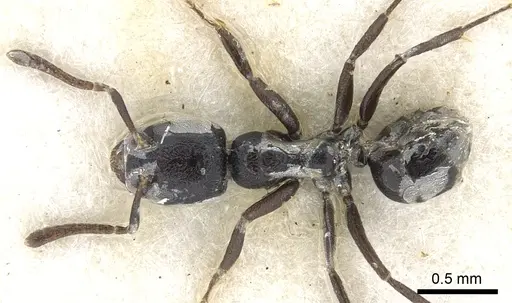
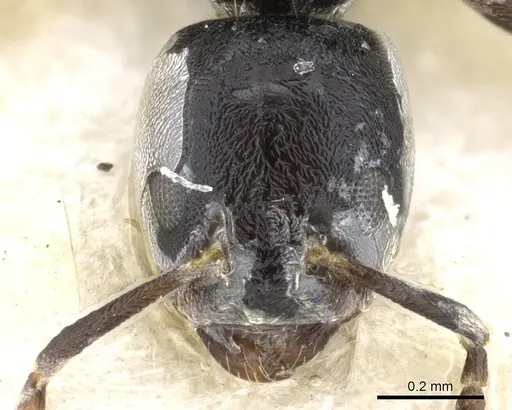
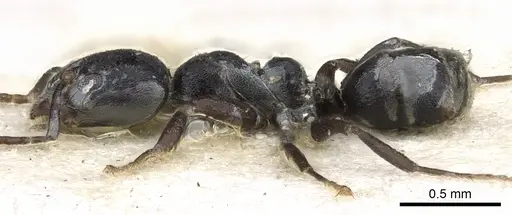
文献
分布マップを読み込み中...製品情報を読み込み中...