
Anonychomyrma anguliceps
- 学名
- Anonychomyrma anguliceps
- 族
- Leptomyrmecini
- 亜科
- Dolichoderinae
- 命名者
- Forel, 1901
- 分布
- 1 か国で発見
紹介
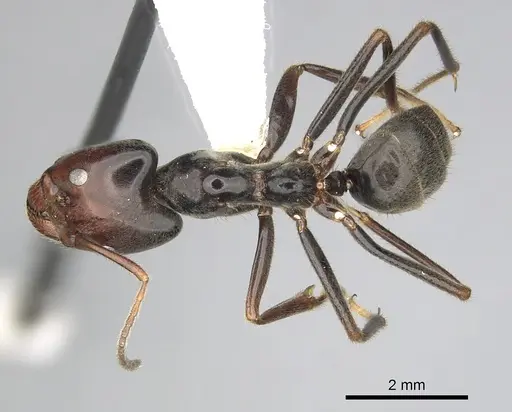
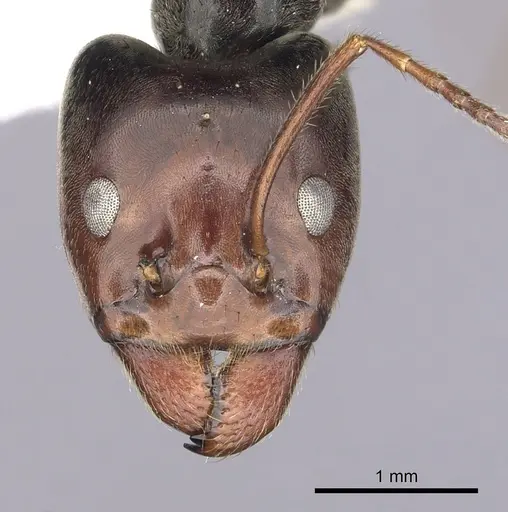
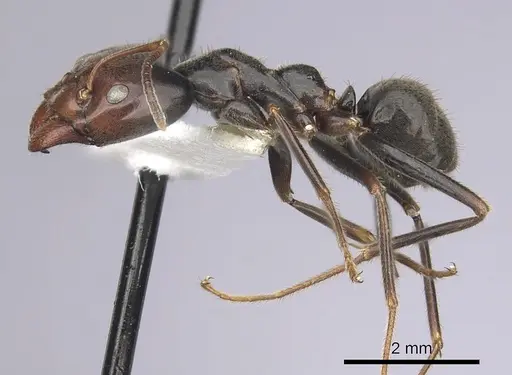
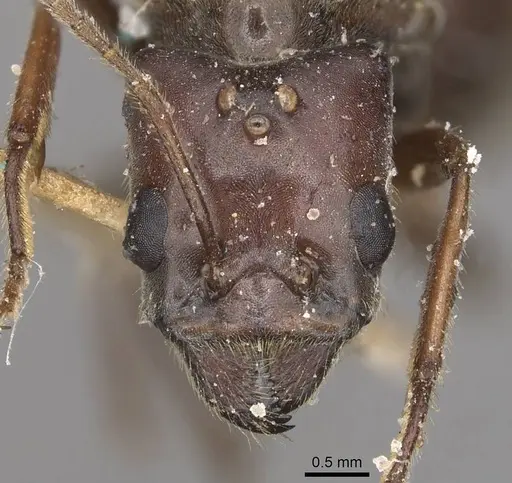
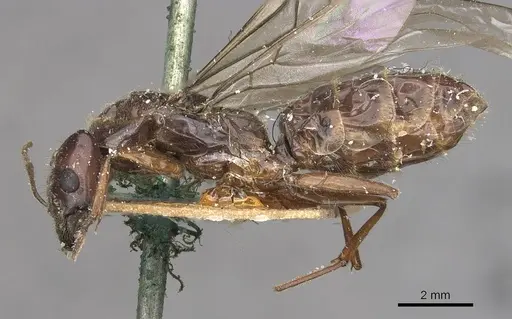
Anonychomyrma anguliceps is a poorly known ant species from the Dolichoderinae subfamily. It was originally described from New Britain and also occurs in Papua . Detailed morphology, size measurements, and colony structure are not documented in available sources. Very little is known about their biology in the wild. Originally described as Iridomyrmex anguliceps by Forel, this species was later transferred to the genus Anonychomyrma. Its colony structure, nesting habits, and behavior remain almost entirely unstudied, making it one of the more mysterious species in ant taxonomy.
Quick Summary
- Difficulty: Expert
- Origin & Habitat: New Britain and Papua in the Oceania region [1]. Specific habitat preferences are unconfirmed.
- Colony Type: Unconfirmed. Colony structure has never been documented.
- Size & Growth:
- Queen: Size data unavailable.
- Worker: Size data unavailable.
- Colony: Unknown.
- Growth: Unknown.
- Development: Unknown. Development time is unconfirmed for this species. (No specific data available.)
- Antkeeping:
- Temperature: Unknown. Based on tropical origin, keep at stable warm room temperatures.
- Humidity: Unknown. Provide a humidity gradient with both moist and dry areas.
- Diapause: Unlikely required as they come from tropical regions, but this is unconfirmed.
- Nesting: Unknown. Based on genus patterns, may nest in rotten wood or under bark.
- Behavior: Unknown. As a Dolichoderine ant, they lack a functional sting and instead use chemical defense, secreting compounds from a slit-like opening at the tip of the abdomen.
- Common Issues: completely undocumented biology means captive care is experimental and success rates are unknown., tropical origin suggests sensitivity to cold temperatures, avoid temperatures below 20°C., lack of confirmed founding type means queen care is unpredictable., no size data available, use standard escape prevention for unknown small species.
Taxonomy and Distribution
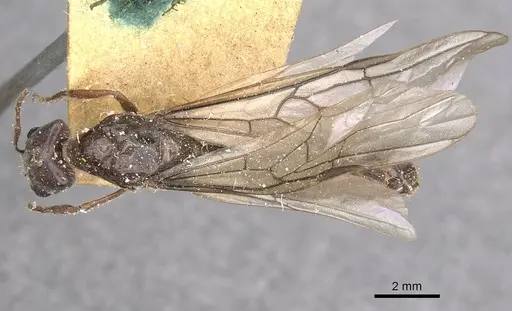
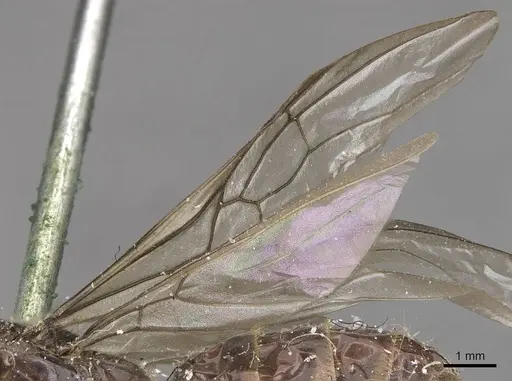
Anonychomyrma anguliceps was originally described as Anonychomyrma anguliceps by Forel and later transferred to the genus Anonychomyrma. The species is recorded from New Britain and Papua in the Oceania region [1]. No detailed ecological studies have documented its habitat preferences, elevation range, or microhabitat requirements. The original description included queens and males, suggesting the species produces standard sexual castes, but worker morphology and any polymorphism remain undescribed in accessible literature.
Defense Mechanism
Like other Dolichoderinae ants, Anonychomyrma anguliceps lacks a functional sting. Instead, they defend themselves by secreting defensive chemical compounds from a slit-like opening at the tip of the abdomen. This is the primary defense mechanism for the Leptomyrmecini tribe.
Natural History and Biology
The biology of Anonychomyrma anguliceps remains almost entirely unknown. Based on its classification within the Dolichoderinae subfamily and the genus Anonychomyrma, it may share traits with related species such as nesting in rotten wood or under bark, and maintaining generalist foraging habits including honeydew collection. However, these are unconfirmed. Colony size, queen number, social structure, and reproductive behavior have never been documented. Nuptial flight timing, mating behavior, and founding strategies are similarly unknown.
Captive Care Guidelines
Keeping this species should be considered highly experimental. Based on its tropical origin, maintain stable warm temperatures and provide a humidity gradient with both moist and dry areas. Provide nesting materials such as test tubes or small naturalistic setups with rotten wood. Feed a generalist diet including sugar water and small insects, adjusting based on acceptance. Watch for signs of stress such as workers clustering in dry areas or refusing food. Expect slow growth or potential colony failure due to lack of specific care knowledge. Any successful captive rearing would constitute new scientific observation.
Challenges for Antkeepers
The primary challenge with Anonychomyrma anguliceps is the complete absence of care information. You will be working without confirmed data on temperature, humidity, diet, or nesting preferences. Without knowing the founding type, you cannot predict whether queens need to forage during founding or seal themselves in. This species is suitable only for expert keepers willing to document and share their findings to build baseline knowledge.
Frequently Asked Questions
Are Anonychomyrma anguliceps good for beginners?
No. This species is suitable only for expert antkeepers willing to experiment with completely undocumented species. The lack of basic biological data makes success unlikely for beginners.
Where do Anonychomyrma anguliceps come from?
They are native to New Britain and Papua in the Oceania region [1].
What do Anonychomyrma anguliceps eat?
Unknown. Based on related Dolichoderinae ants, offer sugar water and small insects, but specific dietary needs are unconfirmed.
How long until Anonychomyrma anguliceps gets its first workers?
Unknown. Development time has not been documented for this species.
Do Anonychomyrma anguliceps need hibernation?
Unlikely, as they come from tropical regions, but this is unconfirmed. Keep them at stable warm temperatures year-round unless you observe behavioral changes suggesting otherwise.
How big do Anonychomyrma anguliceps colonies get?
Unknown. Colony size has never been documented for this species.
Can I keep multiple Anonychomyrma anguliceps queens together?
Unknown. Combining queens is not recommended without confirmation of polygyny in this species.
What is the best nest for Anonychomyrma anguliceps?
Unknown. Small test tubes or naturalistic setups with rotten wood may work based on patterns seen in related species, but this is speculative.
Why are my Anonychomyrma anguliceps dying?
Without documented care requirements, colony failure is common. Check that temperatures are stable and warm, and ensure the queen is not disturbed if she seals herself during founding. However, specific causes are unknown.
Report an Issue
The current care sheet is based fully on literature. See inconsistencies, or something that's incorrect? Please , it will be resolved after review from an admin. Contributing to the blogs tab also helps providing information, to make us be able to further improve the caresheets. Thank you for your support!
References

この飼育シートのライセンスは: CC BY-SA 4.0 .
コミュニティブログ
文献
分布マップを読み込み中...製品情報を読み込み中...