
紹介
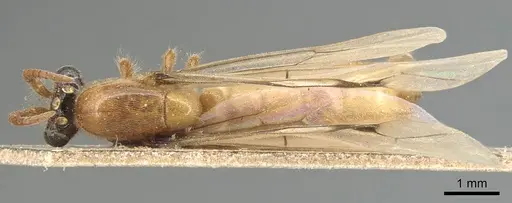
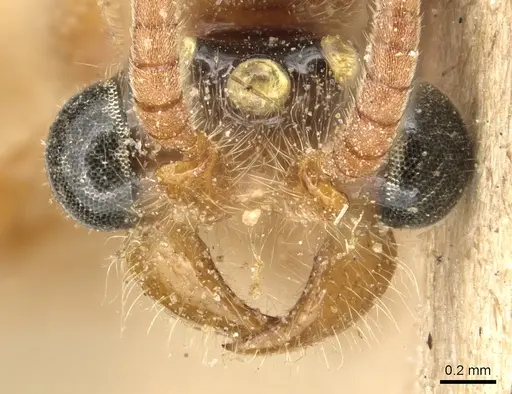
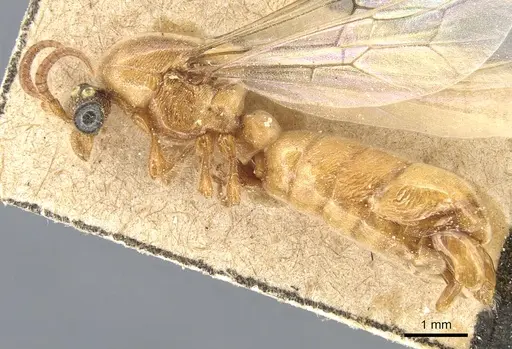
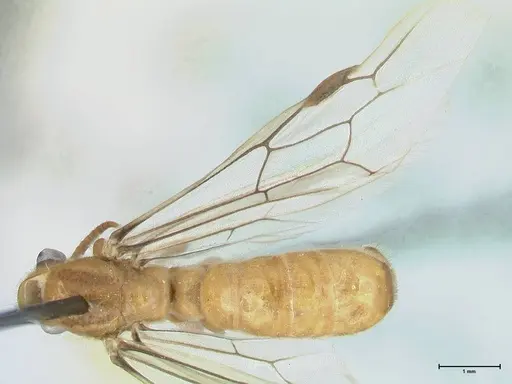
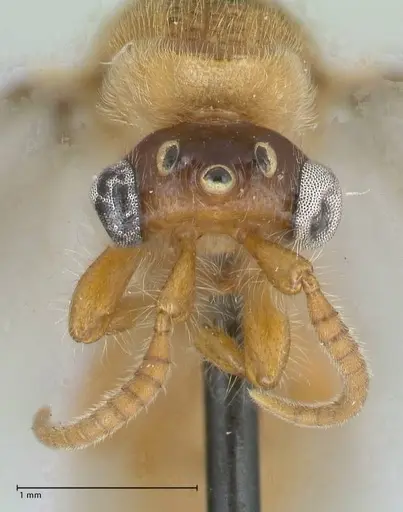
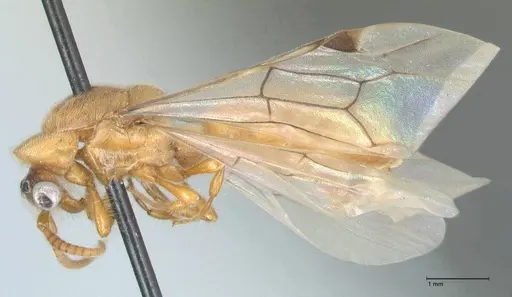
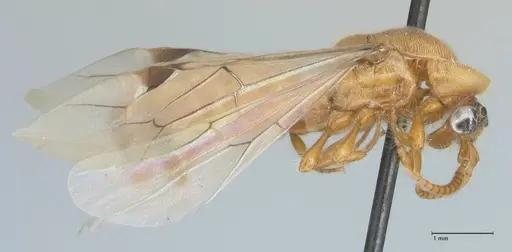
Aenictus hamifer is an army ant species found across the Afrotropical region, from Mauritania and Algeria in the west to the Horn of Africa . This species belongs to the subfamily Dorylinae and is specialized nomadic predator that forms large colonies and conducts mass raids on other arthropods . Workers are small and typically uniform in color. These ants are rarely encountered by collectors and are considered essentially impossible to maintain in standard ant-keeping setups due to their nomadic lifestyle and massive colony requirements.
Quick Summary
- Difficulty: Expert
- Origin & Habitat: Afrotropical region including Eritrea, Kenya, Mauritania, Algeria, Egypt, Ethiopia, Somalia, and Sudan [1][2][5][3]. Found in tropical and subtropical dry habitats including savanna and semi-arid regions.
- Colony Type: Single-queen colonies typical of army ants, likely possesses ergatoid replacement reproductives based on genus patterns [4]
- Size & Growth:
- Queen: Size data unavailable, inferred from Aenictus genus patterns (~8-12mm)
- Worker: Size data unavailable, inferred from Aenictus genus patterns (~2-4mm)
- Colony: Likely thousands to tens of thousands of workers based on typical Aenictus colony sizes [4]
- Growth: Unknown
- Development: Unknown, army ants typically have synchronized brood cycles rather than continuous development [4] (Development timing unconfirmed for this species)
- Antkeeping:
- Temperature: Unknown, likely warm tropical conditions based on distribution in tropical Africa [4]
- Humidity: Unknown, likely moderate substrate moisture based on subterranean nesting habits [4]
- Diapause: No, tropical distribution suggests no winter rest required [4]
- Nesting: Subterranean nomadic species, no permanent nest structure in nature [4]
- Behavior: Highly aggressive predatory army ants, nomadic with frequent colony relocations, extremely fast-moving, small size presents escape risks but colonies are too large to contain practically [4]
- Common Issues: colonies require massive foraging space impossible to provide in captivity., nomadic lifestyle means they do not accept permanent nest chambers., specialized predatory diet difficult to maintain in captivity., colony sizes reach thousands, requiring enormous setups., extremely difficult to establish from a single queen.
Distribution and Range
Aenictus hamifer has been recorded across a wide swathe of the Afrotropical region. Specimens have been collected in Eritrea [1], Kenya, Mauritania [3], Algeria (specifically the Tassili des Ajjer region) [2], Egypt, Ethiopia (historically recorded as Abyssinia) [5], Somalia, and Sudan [3]. The species also appears in collections from East Africa [6]. This broad distribution suggests adaptation to various tropical and subtropical habitats across North and East Africa.
Army Ant Biology and Lifestyle
As a member of the subfamily Dorylinae, Aenictus hamifer is an army ant. These ants do not build permanent nests. Instead, they maintain a temporary bivouac and relocate frequently to follow prey availability. Colonies likely contain thousands of workers based on typical Aenictus colony sizes [4]. The queen is probably dichthadiiform (permanently wingless with a large abdomen) as is typical for the genus. When the queen dies, Aenictus colonies often produce replacement reproductives from worker stock rather than dying out immediately.
Why These Ants Cannot Be Kept Standardly
You cannot keep Aenictus hamifer in a test tube or standard formicarium. Army ants require massive horizontal space to conduct their raid trails, often covering hundreds of square meters daily. They need continuous access to large amounts of live prey to support the colony's energy demands. Their nomadic behavior means they will not stay in a provided nest chamber, they will wander constantly and die from stress. Only specialized research facilities with custom-built arena setups have any chance of maintaining these ants, and even then, captive breeding is rarely successful. [4]
Feeding and Diet
Aenictus species are specialized predators of other social insects and arthropods. They hunt termites, other ants, and various ground-dwelling invertebrates. In captivity, you would need to provide large quantities of live prey daily. They do not accept sugar water or honey as their primary food source. This predatory specialization makes them impossible to feed with standard ant-keeping supplies like mealworms or sugar water alone. [4]
Frequently Asked Questions
Can I keep Aenictus hamifer in a test tube?
No. Army ants like Aenictus hamifer cannot be kept in test tubes. They require massive foraging areas and constant access to live prey. A test tube would kill them quickly due to space constraints and inability to hunt.
How long until Aenictus hamifer gets their first workers?
Unknown. The founding biology of Aenictus hamifer has not been documented. Army ant queens are often collected already established with workers, as founding in captivity is extremely difficult.
Do Aenictus hamifer need hibernation?
Probably not. Their distribution across tropical Africa suggests they do not require winter rest. However, specific seasonal biology is unconfirmed.
What do Aenictus hamifer eat?
They are specialized predators of other insects, particularly termites and other ants. They require large amounts of live prey and do not survive on sugar sources alone.
Are Aenictus hamifer good for beginners?
Absolutely not. These are expert-level ants that are effectively impossible to keep in standard setups. They are suitable only for specialized research facilities.
How big do Aenictus hamifer colonies get?
Likely thousands to tens of thousands of workers based on typical Aenictus colony sizes, though exact numbers for this species are unknown.
Can I keep multiple Aenictus hamifer queens together?
No. Army ants are typically single-queen, and combining colonies results in fighting and death. Additionally, you are unlikely to find multiple queens as they are rare and difficult to collect.
Report an Issue
The current care sheet is based fully on literature. See inconsistencies, or something that's incorrect? Please , it will be resolved after review from an admin. Contributing to the blogs tab also helps providing information, to make us be able to further improve the caresheets. Thank you for your support!
References

この飼育シートのライセンスは: CC BY-SA 4.0 .
コミュニティブログ
文献
分布マップを読み込み中...製品情報を読み込み中...