
紹介
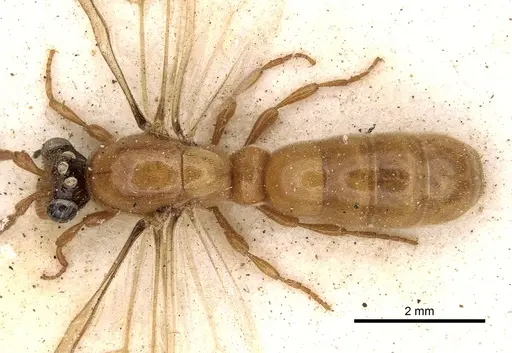
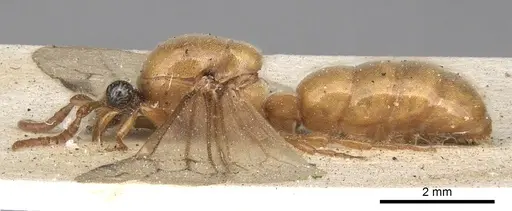
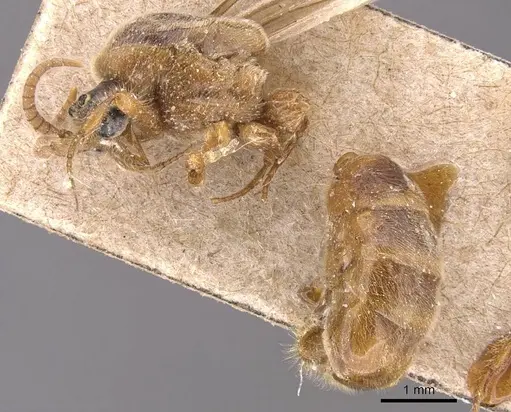
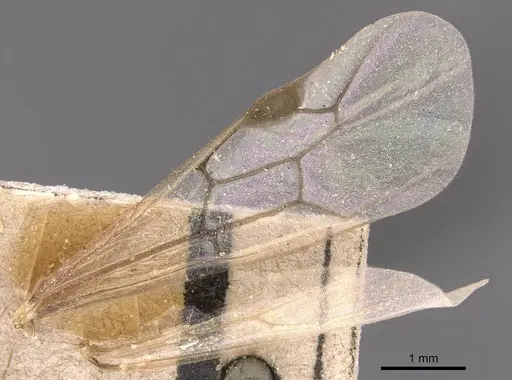
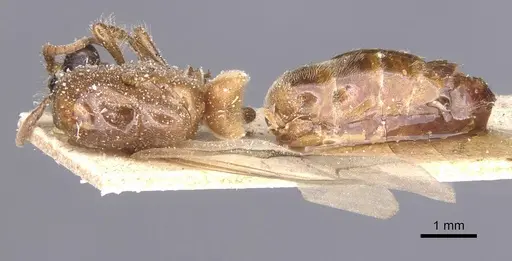
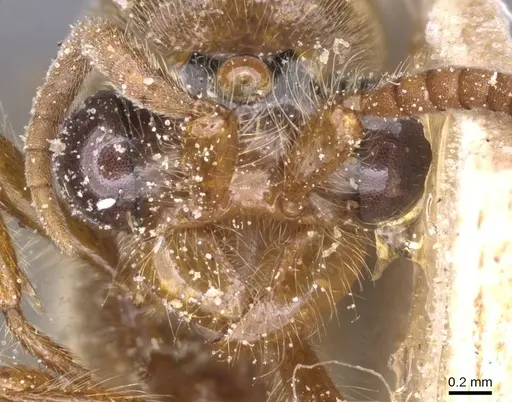
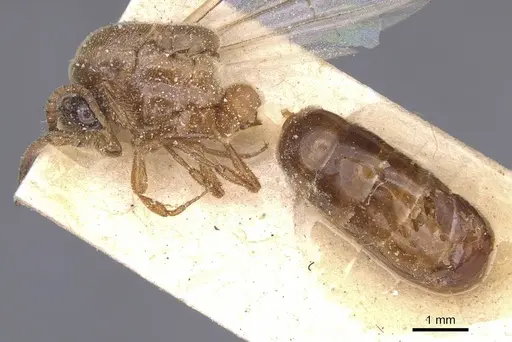
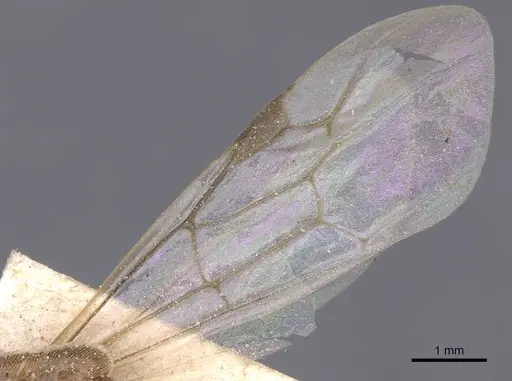
Aenictus bottegoi is an African army ant known only from historic male specimens collected in Kenya during the early 1900s . Males measure 6.2-7mm with a tawny yellow body and darker abdominal markings . The species was collected around Lake Victoria (Kisumu/Kisoumou) and the Athi River basin in Kenya . No modern studies have examined this species, and no descriptions of queens or workers exist in the available research.
Quick Summary
- Difficulty: Expert, Not recommended
- Origin & Habitat: East Africa (Kenya), specifically the Lake Victoria region (Kisumu, Kisoumou) and Athi River basin (Ndarugo) [1][2]
- Colony Type: Unknown, army ant colony structure is unconfirmed for this species
- Size & Growth:
- Queen: Unknown, no queen specimens described
- Worker: Unknown, no worker specimens described
- Colony: Unknown
- Growth: Unknown
- Development: Unknown (No development data exists for this species)
- Antkeeping:
- Temperature: Unknown, likely warm based on tropical origin
- Humidity: Unknown
- Diapause: No, tropical species do not hibernate
- Nesting: Unknown
- Behavior: Unknown, likely predatory like other army ants but unconfirmed
- Common Issues: no confirmed captive care information exists for this species, army ants require massive amounts of live prey daily, nomadic lifestyle makes standard nest setups unsuitable, colony size and requirements are completely unknown, no queen or worker specimens have ever been described
Why This Species Is Not Suitable for Captivity
You should not attempt to keep Aenictus bottegoi. This species is known only from a few male specimens collected over 100 years ago [1][2]. No one has documented how to keep this ant alive in captivity. Without basic information about queen size, worker development, colony founding behavior, or even confirmed worker morphology, any attempt to keep them would be guesswork.
What We Know From Historic Specimens
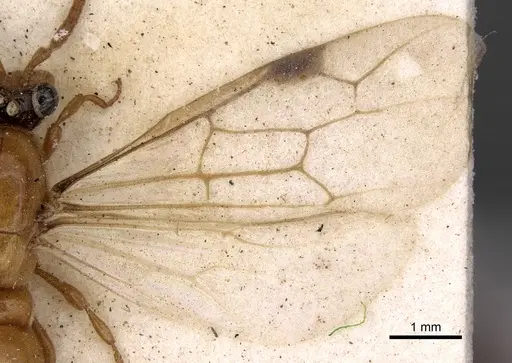
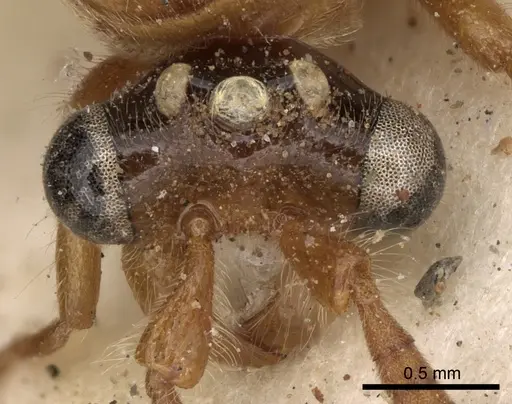
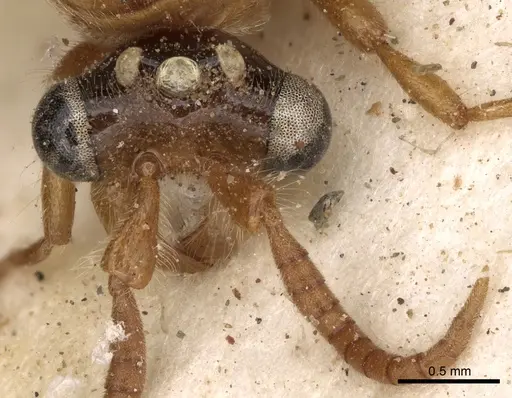
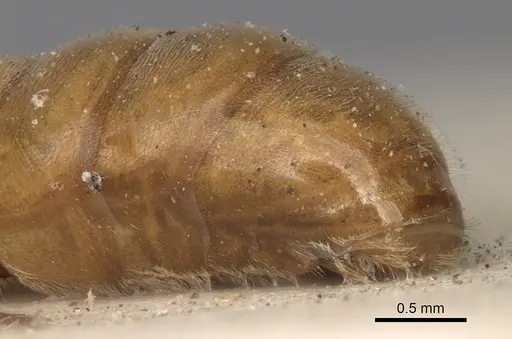
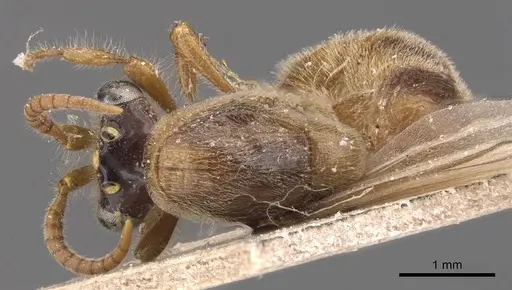
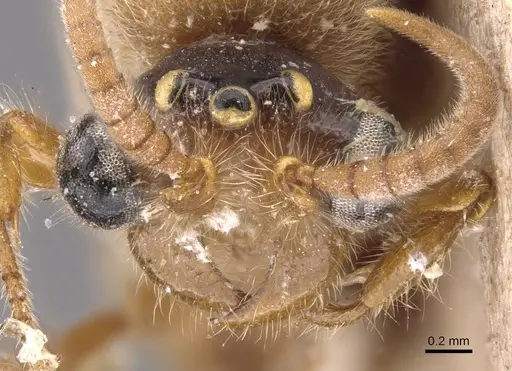
The only information we have comes from two papers by Santschi describing specimens collected by Alluaud in British East Africa (modern Kenya). Males measure 6.2-7mm in length and have a tawny yellow color with the middle of the abdomen somewhat darkened [1]. The head is brownish-yellow with darker markings, and the body is smooth and shiny with short hair [1]. Specimens were collected at Kisoumou (Victoria Nyanza) in September 1904 and at Naipobi (Wa-Kikougou) [1]. Additional records place them at Kisumu (Lake Victoria) in October 1903 and the Athi River basin at Ndarugo in 1909 [2]. No queens or workers have been described in the available research.
Inferred Care Based on Army Ant Biology
While specific care for A. bottegoi is unknown, related Aenictus species may provide general clues. Army ants typically require warm temperatures and high humidity. They are predatory and need large amounts of live prey. However, these are general observations about the genus, nothing specific is known about this species' requirements.
Housing Challenges
Standard ant keeping equipment fails for army ants. Test tubes are far too small and lack the space needed for colony movement. Formicariums with fixed chambers do not allow for the nomadic lifestyle these ants may exhibit. Without knowing worker size, we cannot even assess escape risks accurately.
Frequently Asked Questions
Can I keep Aenictus bottegoi in a test tube?
No. Test tubes are completely unsuitable for this species. There is no confirmed care information for this ant, and army ants have specialized needs that make them unsuitable for captivity.
What do Aenictus bottegoi eat?
Their diet is unknown. Based on other army ants, they likely prey on other ants, termites, or small arthropods, but no specific data exists for this species.
How long until first workers for Aenictus bottegoi?
The egg to worker timeline is completely unknown for this species. No one has documented colony founding or development in captivity.
Do Aenictus bottegoi need hibernation?
No. They come from tropical East Africa (Kenya) and do not experience cold winters. They likely remain active year-round.
Are Aenictus bottegoi good for beginners?
Absolutely not. This species is not recommended for anyone. There is no care information available, and army ants have specialized needs that make them unsuitable for captivity.
How big do Aenictus bottegoi colonies get?
Colony size is unknown. No worker specimens have ever been described, so colony size cannot be estimated.
Where do Aenictus bottegoi live in the wild?
They are known from the Lake Victoria region of Kenya (Kisumu/Kisoumou area) and the Athi River basin (Ndarugo), collected in the early 1900s [1][2]. The specific habitat type was not recorded.
Report an Issue
The current care sheet is based fully on literature. See inconsistencies, or something that's incorrect? Please , it will be resolved after review from an admin. Contributing to the blogs tab also helps providing information, to make us be able to further improve the caresheets. Thank you for your support!
References

この飼育シートのライセンスは: CC BY-SA 4.0 .
コミュニティブログ
文献
分布マップを読み込み中...製品情報を読み込み中...