
紹介
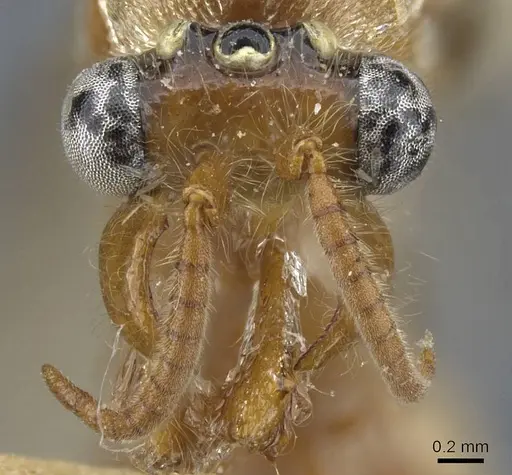
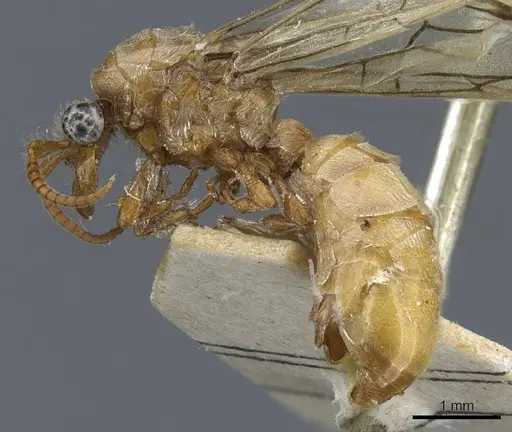
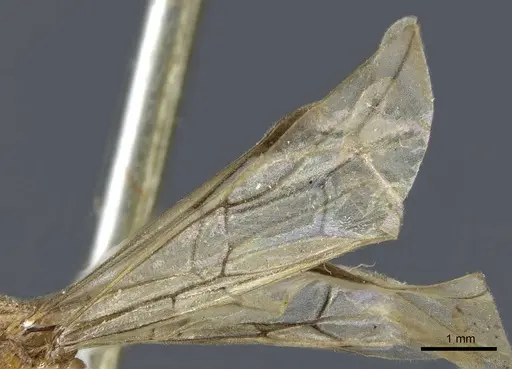
Aenictus anceps is an army ant species belonging to the subfamily Dorylinae. This species is native to the Horn of Africa region, specifically documented from Eritrea and Sudan . The type localities are from highland areas in Eritrea around Ghinda and Nefassit . The species was originally described as a subspecies of Aenictus bottegoi in 1910 before being elevated to full species status . Army ants like Aenictus anceps are known for their nomadic lifestyle - colonies move frequently rather than maintaining permanent nests. They are specialized predators that hunt other insects and arthropods in coordinated raids. This makes them challenging to keep, as they require constant live prey and space for raiding behavior.
Quick Summary
- Difficulty: Expert
- Origin & Habitat: Horn of Africa (Eritrea and Sudan). This species inhabits arid to semi-arid tropical regions in northeastern Africa [1]. The type localities are from highland areas in Eritrea around Ghinda and Nefassit [2].
- Colony Type: Colony structure is unconfirmed for this specific species. The genus Aenictus typically forms multi-queen colonies.
- Size & Growth:
- Queen: Size data unavailable, inferred from Aenictus genus patterns (~4-6mm)
- Worker: Size data unavailable, inferred from Aenictus genus patterns (~2-3mm)
- Colony: Estimated several thousand workers based on typical Aenictus colony sizes
- Growth: Moderate to fast, army ant colonies grow rapidly when well-fed
- Development: Estimated 4-6 weeks at optimal temperature based on genus patterns (Development is likely rapid, consistent with army ant biology, this is a key adaptation supporting their nomadic lifestyle)
- Antkeeping:
- Temperature: Keep at 24-28°C, army ants thrive in warm conditions.
- Humidity: Moderate humidity around 50-70%. These ants are not moisture-dependent like some tropical species.
- Diapause: Unlikely, being from tropical Africa, this species probably remains active year-round.
- Nesting: A naturalistic setup works best, these ants form temporary bivouacs rather than permanent nests. Provide a dark nesting area with moist substrate they can easily move through.
- Behavior: Extremely active and aggressive foragers. Workers are small but numerous and will readily attack prey items. They use chemical recruitment to organize raids, when a food source is found, workers release pheromones that attract nestmates. Escape prevention is critical despite their small size because they readily squeeze through small gaps and are constantly on the move. These ants are strictly predatory and do not collect honeydew or tend aphids.
- Common Issues: constant live prey requirement, colonies can consume enormous numbers of insects and may starve without regular feeding, escape prevention is critical, small size and active behavior means they find gaps other ants would miss, colonies are difficult to establish, founding colonies are fragile and require careful attention, nomadic nature makes them prone to abandoning nests if conditions aren't ideal, limited availability in the antkeeping hobby means this species is rarely kept by enthusiasts
Understanding Army Ant Biology
Aenictus anceps belongs to the Dorylinae subfamily, commonly known as army ants. Unlike most ant species that maintain permanent nests, army ants are nomadic, they periodically relocate their entire colony in search of better hunting grounds. This lifestyle requires constant movement and creates unique challenges for captive keeping. In the wild, colonies can reach large sizes with thousands of workers. The queen is highly fecund, capable of laying thousands of eggs per day during peak periods. This reproductive strategy supports the colony's need to maintain large worker populations for successful raids. The genus Aenictus is distributed primarily in tropical Asia and Africa, with this species representing the African component of that distribution [1].
Housing and Enclosure Setup
Housing Aenictus anceps requires a different approach than typical ant species. Because they form temporary bivouacs rather than permanent nests, provide a naturalistic setup with multiple chambers connected by tunnels. The nesting area should be dark and humid, but the foraging area needs to be spacious enough for raiding behavior. Use a combination of test tubes or small containers for the bivouac site connected to a larger foraging area. Escape prevention is absolutely critical, these tiny, active ants will find any gap. Apply fluon to all edges and use tight-fitting lids. The foraging area should have a substrate layer they can dig through, as they naturally create temporary chambers.
Feeding Requirements
Aenictus anceps is strictly predatory and requires a constant supply of live prey. They do not accept sugar sources, honey, or dead insects reliably. Feed small live insects such as fruit flies, pinhead crickets, small mealworms, and other appropriately-sized arthropods. Colonies can consume remarkable quantities of prey, a mature colony may need feeding every day or every other day. The key to success is variety, offer different types of small insects to ensure balanced nutrition. Some keepers report success with pre-killed prey if it's fresh, but live prey is always preferred. This constant prey requirement makes them one of the more demanding ant species to keep.
Temperature and Seasonal Care
As a tropical African species, Aenictus anceps requires warm conditions year-round. Maintain temperatures between 24-28°C in the nesting area, with a slight gradient toward cooler areas in the foraging space. Temperatures below 20°C can slow activity and may stress the colony. Unlike temperate species, they do not require a true hibernation period. However, you may observe reduced activity during what would be the winter months in their natural range. Monitor your colony's behavior, if they become less active, slightly reduce feeding but maintain warmth. Avoid temperature fluctuations as these can disrupt their natural rhythms.
Colony Establishment and Growth
Establishing a colony of Aenictus anceps is challenging. If you obtain a founding queen, provide small live prey items regularly until the first workers emerge. The initial colony growth is slow, but once established, army ant colonies can grow rapidly. Workers emerge as nanitics, smaller than normal workers, but subsequent generations will be larger. A healthy established colony can produce hundreds of workers per month under ideal conditions. Patience is essential during the founding phase, as many colonies fail before the first workers arrive.
Frequently Asked Questions
Is Aenictus anceps a good species for beginners?
No. This species is considered expert-level due to its constant live prey requirements, escape-prone behavior, and need for space to exhibit natural raiding behavior. Most antkeepers should gain experience with easier species first.
How often should I feed Aenictus anceps?
Established colonies typically need feeding every 1-2 days with small live prey items. During growth periods, daily feeding may be necessary. Remove uneaten prey after 24 hours to prevent mold issues.
Can I keep Aenictus anceps in a test tube setup?
Test tubes work for founding colonies but are inadequate for established colonies. Once workers emerge, transition to a naturalistic setup with multiple chambers and a spacious foraging area to allow natural raiding behavior.
How long does it take for the first workers to emerge?
Estimated 4-6 weeks from egg to worker at optimal temperature (around 26°C). This is based on typical Aenictus genus development patterns.
Will Aenictus anceps accept sugar water or honey?
No. Army ants in the genus Aenictus are strictly predatory and do not collect honeydew or sugar sources. They require live insect prey.
How big do Aenictus anceps colonies get?
Based on typical Aenictus biology, colonies can reach several thousand workers. However, this is estimated as specific colony size data for this species is not documented.
Do I need to hibernate Aenictus anceps?
No. As a tropical African species, they do not require hibernation. Maintain warm temperatures year-round (24-28°C).
Why does my colony keep escaping?
Aenictus anceps is extremely prone to escaping due to their small size and active, nomadic nature. Review your escape prevention measures, apply fluon to all edges, ensure lids fit tightly, and check for any gaps larger than 1mm.
Can I keep multiple queens together?
Colony structure for this specific species is unconfirmed, but the genus Aenictus typically has multi-queen colonies. However, combining unrelated foundress queens in captivity is not recommended as it often leads to fighting.
Report an Issue
The current care sheet is based fully on literature. See inconsistencies, or something that's incorrect? Please , it will be resolved after review from an admin. Contributing to the blogs tab also helps providing information, to make us be able to further improve the caresheets. Thank you for your support!
References

この飼育シートのライセンスは: CC BY-SA 4.0 .
コミュニティブログ
CASENT0907025
AntWebで見る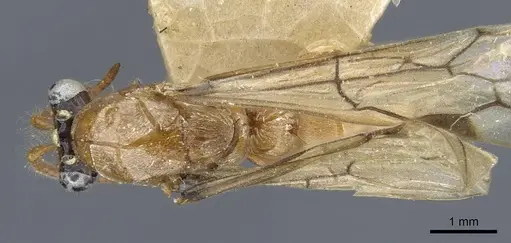
文献
分布マップを読み込み中...製品情報を読み込み中...