
Trichomyrmex dilatatum
- Nom. sci.
- Trichomyrmex dilatatum
- Tribù
- Crematogastrini
- Sottofamiglia
- Myrmicinae
- Autore
- Bernard, 1977
- Distribuzione
- Trovata in 0 paesi
Introduzione
Trichomyrmex dilatatum is a small ant species native to North Africa, specifically documented from Algeria . Originally described as Monomorium dilatatum, it was later moved to the genus Trichomyrmex. Workers are tiny (estimated 2-3 mm based on genus patterns) and queens are slightly larger (estimated 4-5 mm). As a species from an arid Mediterranean region, it is adapted to warm, relatively dry conditions. Most of the biological details below are inferred from related species or genus-level patterns, as direct research on this species is very limited.
Quick Summary
- Difficulty: Medium
- Origin & Habitat: North Africa, specifically Algeria. Found in Mediterranean climate zones with warm temperatures and low to moderate humidity [1].
- Colony Type: Likely single-queen (monogyne) based on typical genus patterns, but colony structure is not confirmed by direct observation.
- Size & Growth:
- Queen: ~4-5 mm (inferred from Trichomyrmex genus, no direct measurements available)
- Worker: ~2-3 mm (inferred from Trichomyrmex genus, no direct measurements available)
- Colony: Up to several hundred workers (inferred from related small myrmicine species)
- Growth: Moderate (based on related species)
- Development: Unknown, estimated 6-8 weeks at optimal temperature based on related small ants, but actual timing may vary (Development time is speculative, maintain steady warm temperatures to support growth)
- Antkeeping:
- Temperature: Warm conditions are preferred, aim for 24-28°C. Based on its North African origin, it likely requires consistent heat. A heating cable on one side of the nest creates a gradient. Avoid temperatures below 20°C for extended periods.
- Humidity: Low to moderate, these ants come from an arid region. Keep the nest substrate mostly dry with occasional light misting. Avoid constant dampness, which can be fatal. Provide a small water source in the outworld.
- Diapause: Unknown, but likely not required as a North African species. They may reduce activity in cooler months but do not need a true hibernation period. Keep at stable temperatures year-round.
- Nesting: Likely nest in soil or under stones in arid ground. In captivity, a Y-tong (AAC) or plaster nest works well, as long as the substrate stays relatively dry.
- Behavior: These are tiny, generally non-aggressive ants. Their defense mechanism is a 'smear', they use a modified, flattened stinger to wipe venom onto enemies rather than stinging (typical for the tribe Crematogastrini). Workers are active foragers, likely collecting nectar, small insects, and honeydew. Their small size demands careful escape prevention: use fine mesh and seal all gaps. Activity patterns are unknown but likely crepuscular or nocturnal.
- Common Issues: escape prevention is critical, they are tiny and can get through very small gaps, overhumidity can be fatal, keep the nest area relatively dry as they are adapted to arid conditions, cold temperatures slow or stall development, maintain warm conditions (24-28°C), slow colony growth may test patience, growth rate is speculative and likely moderate at best, very limited availability, this species is rarely available in the antkeeping hobby
Temperature and Care
Based on its North African origin, Trichomyrmex dilatatum likely needs warm conditions to thrive. Aim for 24-28°C for optimal growth and brood development. Use a heating cable placed on top of the nest (never underneath, as this can cause excessive drying) to maintain consistent warmth. Room temperature (20-22°C) is acceptable but expect slower growth. Avoid drafts and temperature fluctuations. No hibernation is required, keep them warm year-round.
Humidity and Nest Setup
These ants are adapted to arid conditions and do poorly in constantly damp environments. Keep the nest substrate relatively dry, with only occasional moisture added. A Y-tong (AAC) or plaster nest works well, both allow you to control moisture. In a test tube setup, keep the water reservoir small and only change the cotton when absolutely necessary. Provide a water dish in the outworld for drinking. The outworld can be slightly more humid than the nest area.
Feeding and Diet
Like most members of the genus, Trichomyrmex dilatatum is likely omnivorous. Offer a constant sugar source (sugar water or honey). For protein, provide small insects like fruit flies, pinhead crickets, or small pieces of mealworm. They may also accept honeydew. Feed small amounts every 2-3 days and remove leftovers to prevent mold. Because of their tiny size, prey must be very small or crushed.
Behavior and Temperament
These ants are small and generally non-aggressive. Their primary defense is a 'smear' venom application (typical for the tribe Crematogastrini), they do not sting in the usual sense. Workers are active foragers and are not a threat to keepers. However, their tiny size makes them excellent escape artists: use fine mesh on all openings and consider a Fluon or oil barrier on the outworld walls. Activity patterns are not well studied but they are likely more active during the evening or night. Colony size is modest compared to larger ant species.
Frequently Asked Questions
How long does it take for Trichomyrmex dilatatum to produce first workers?
There is no reliable data for this species. Based on related small myrmicine ants, first workers (nanitics) may appear 6-8 weeks after the queen lays her first eggs if kept at warm temperatures (24-28°C). Cooler conditions will lengthen this timeline significantly.
What temperature do Trichomyrmex dilatatum ants need?
They likely need warm conditions, around 24-28°C, based on their North African origin [1].
Do Trichomyrmex dilatatum ants sting?
They have a modified stinger that smears venom rather than piercing. The sting is very small and not painful to humans. They are not dangerous or aggressive.
How big do Trichomyrmex dilatatum colonies get?
Probably up to several hundred workers at maturity, based on related species. They do not form huge colonies.
Can I keep multiple Trichomyrmex dilatatum queens together?
It is not known if this species is polygyne. Most related Trichomyrmex species are monogyne, so it is safest to keep only one queen per colony.
What do Trichomyrmex dilatatum ants eat?
They are likely omnivorous. Provide a constant carbohydrate source (sugar water or honey) and small protein sources like fruit flies or small cricket pieces.
Do Trichomyrmex dilatatum need hibernation?
Probably not, as a North African species, they may slow down in cooler months but do not require a true winter diapause. Keep them at stable temperatures year-round.
Are Trichomyrmex dilatatum good for beginners?
Rated as medium difficulty. Their need for dry conditions and warm temperatures, plus limited availability, makes them more suitable for keepers with some experience.
Why are my Trichomyrmex dilatatum dying?
The most likely causes are overhumidity (keep them dry), cold temperatures (keep them warm), or escape through tiny gaps. Check these factors first.
When should I move Trichomyrmex dilatatum to a formicarium?
Wait until the colony has a reasonable number of workers (at least a few dozen) before moving from a test tube. They do better in smaller spaces when starting out.
Report an Issue
The current care sheet is based fully on literature. See inconsistencies, or something that's incorrect? Please , it will be resolved after review from an admin. Contributing to the blogs tab also helps providing information, to make us be able to further improve the caresheets. Thank you for your support!
References

Questa scheda di allevamento è concessa in licenza con CC BY-SA 4.0 .
Blog della comunità
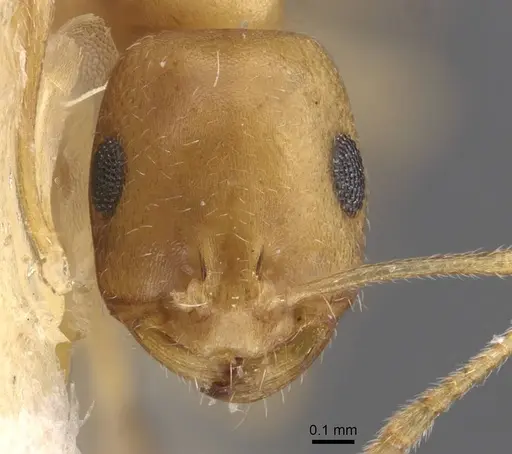
CASENT0913733
Visualizza su AntWeb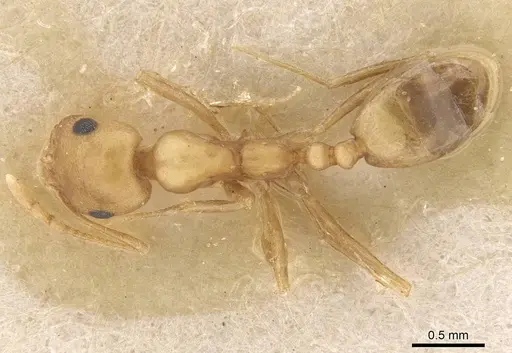
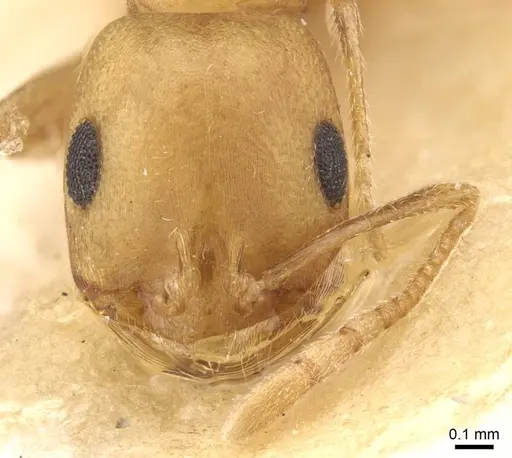
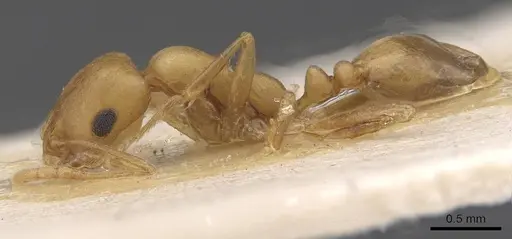
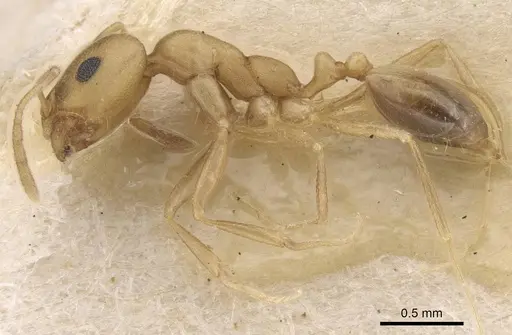
CASENT0913741
Visualizza su AntWeb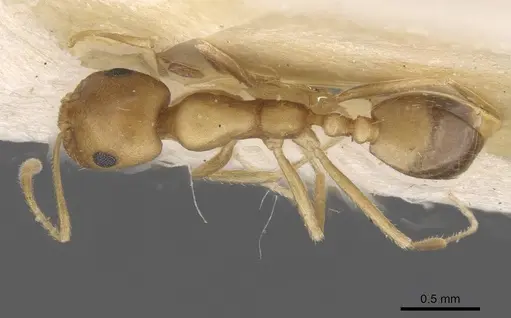
Letteratura
Caricamento mappa di distribuzione...Caricamento prodotti...