
Tetramorium geminatum
- Nom. sci.
- Tetramorium geminatum
- Tribù
- Crematogastrini
- Sottofamiglia
- Myrmicinae
- Autore
- Bolton, 1980
- Distribuzione
- Trovata in 0 paesi
Introduzione
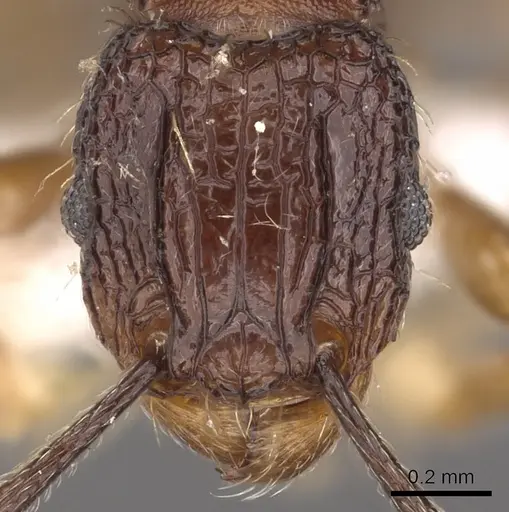
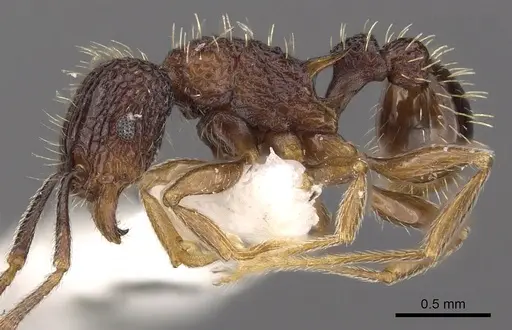
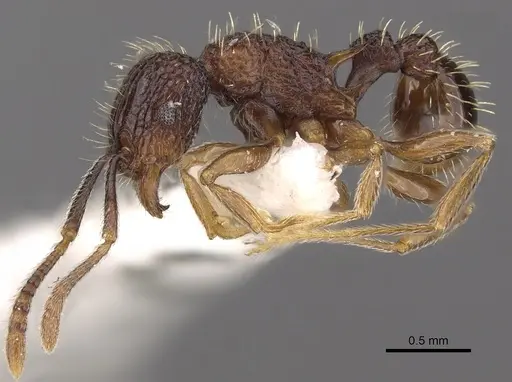
Tetramorium geminatum is a small reddish-brown ant from the rainforests of Central Africa, documented in Gabon and Cameroon . Workers measure 3.0–3.4 mm in total length and have a distinctive glossy body covered with long, stout hairs and strong propodeal spines . This species was described in 1980,and only a handful of worker specimens have ever been collected, all from leaf litter in primary forest . No queen or colony has been described, so almost everything about its biology remains unknown. What makes this species interesting is its close resemblance to Tetramorium ataxium, from which it differs by having longer body hairs and a smoother, glossier cuticle . Because the wild biology is so poorly documented, keepers must rely on general Tetramorium care knowledge, making this a species for experienced hobbyists who enjoy working with limited data.
Quick Summary
- Difficulty: Medium
- Origin & Habitat: Primary lowland rainforests of Gabon and Cameroon, Central Africa. All known specimens were collected from leaf litter in undisturbed primary forest [2][1].
- Colony Type: Unknown – colony structure has never been documented. Most Tetramorium species are monogyne (single queen), but this is unconfirmed for T. geminatum.
- Size & Growth:
- Queen: Not documented – no queen specimens have been collected [2].
- Worker: 3.0–3.4 mm (total length) [2].
- Colony: Unknown – only a few isolated workers have ever been found [2].
- Growth: Moderate – inferred from related Tetramorium species.
- Development: Estimated 6–8 weeks at optimal temperature, based on typical Tetramorium patterns. (No direct development data exists for this species, the estimate is based on genus-level inference.)
- Antkeeping:
- Temperature: 22–26 °C. This tropical rainforest species needs consistent warmth. A heating cable on one side of the nest can create a gentle gradient.
- Humidity: Moderate to high – keep the nest substrate damp but not waterlogged. These ants come from humid leaf litter, so they need moisture without standing water.
- Diapause: Unlikely – as a tropical species, true hibernation is probably not required. A slight cool-down during the local dry season may be natural, but avoid temperatures below 18 °C.
- Nesting: In the wild they nest in leaf litter and soil [2]. In captivity, Y‑tong (AAC) or plaster nests with narrow chambers work well, as do naturalistic soil setups. Their small size means fine‑grained substrate is fine.
- Behavior: Generally peaceful and not aggressive. Like other Crematogastrini, they have a modified stinger used to smear venom rather than pierce, but they rarely use it against keepers. Their small size (3 mm) makes escape prevention critical – they can squeeze through tiny gaps, so use fine mesh and tight seals. They are active foragers and likely omnivorous, accepting both proteins and sugars.
- Common Issues: very limited species‑specific data means all care advice is inferred from genus patterns, not direct observation., small size (3 mm) requires meticulous escape prevention – they can escape through gaps that larger ants cannot., wild queens are almost never found, obtaining a colony is extremely rare and likely depends on wild‑caught workers or chance captures., tropical humidity needs can lead to mold if ventilation is poor, balance moisture with airflow., incorrect temperature (below 20 °C) can stall development or kill brood – keep warm and stable.
Housing and Nest Setup
In the wild, Tetramorium geminatum lives in leaf litter and soil of primary rainforest [2]. For captivity, a Y‑tong (AAC) nest with narrow chambers, a plaster nest that holds moisture, or a naturalistic soil setup all work for this tiny species. Because the founding method is unknown, place any founding queen in a standard test‑tube setup (dark, with a water reservoir) and leave her undisturbed. When workers appear and the colony grows to a reasonable size (perhaps a few dozen workers – exact numbers are unknown), move them to a small formicarium. Always use fine mesh on all openings – these 3‑mm ants can escape through the tiniest gaps.
Feeding and Diet
Like most Tetramorium, Tetramorium geminatum is probably omnivorous. Provide small protein sources such as fruit flies, small mealworms, or chopped crickets, alongside carbohydrate sources like honey water or sugar water. They may also accept seeds. Offer small amounts every 2–3 days and remove leftovers to prevent mold. Since the species has never been studied in this regard, start with standard Tetramorium feeding protocols and adjust based on your colony’s response.
Temperature and Humidity
This species comes from the humid tropics of Central Africa [2][1], so warmth and moisture are essential. Keep the nest area at 22–26 °C – a heating cable on one side creates a gradient so ants can self‑regulate. Humidity should be moderate to high: the substrate should feel damp but never waterlogged. Mist the nest occasionally and ensure the test‑tube water reservoir stays full. Good ventilation is important to stop mold, but avoid strong drafts that dry out the nest quickly.
Colony Establishment
Because Tetramorium geminatum is so rarely collected [2], establishing a colony is challenging. If you obtain a founding queen, her founding behavior is unconfirmed – keep her in a dark, warm test tube and do not disturb her. Most Tetramorium queens are claustral, meaning they seal themselves in and live off stored reserves until the first workers appear. Watch for the first workers (nanitics), once they emerge, begin offering tiny amounts of food. Expect a moderate growth rate, but be patient – no captive observations exist.
Behavior and Temperament
Tetramorium geminatum workers are small, active foragers that are generally not aggressive. As members of the tribe Crematogastrini, they possess a modified, flattened spatulate stinger used to smear venom onto enemies rather than piercing – but they are unlikely to use it against keepers. Their main challenge is escape: at only 3 mm they can slip through very narrow gaps, so enclosures must have fine mesh and tight seals. They do not exhibit any special defensive behaviours beyond typical alarm reactions.
Frequently Asked Questions
How long does it take for Tetramorium geminatum to raise first workers?
Based on typical Tetramorium development, expect 6–8 weeks from egg to worker at 22–26 °C. This is an estimate because no direct data exists for this species. Do not disturb the queen during this period.
Can I keep Tetramorium geminatum in a test tube?
Yes – a test‑tube setup is a good choice for a founding queen. Use a small tube with a water reservoir separated by a cotton plug, kept dark and warm (22–26 °C). When the colony grows beyond a few dozen workers, move them to a proper formicarium. Note that the founding method is unconfirmed, so watch for any signs that the queen needs food.
Do Tetramorium geminatum ants sting?
They have a modified stinger used for smearing venom, but it is not a piercing sting and poses no threat to humans. If threatened, they may bite, but the bite is negligible.
What do Tetramorium geminatum eat?
They are likely omnivorous like other Tetramorium. Offer small insects (fruit flies, small mealworms, chopped crickets) for protein and honey water or sugar water for carbohydrates. Small seeds may also be accepted. Feed small amounts every 2–3 days.
Are Tetramorium geminatum good for beginners?
This species is rated Medium difficulty. The care requirements (warmth, humidity, standard feeding) are manageable, but the near‑total lack of species‑specific information makes it a challenge. Only experienced keepers who are comfortable making careful observations and adjustments should attempt to keep it.
How big do Tetramorium geminatum colonies get?
The maximum colony size is unknown, as only isolated workers have ever been collected [2]. Based on related Tetramorium species, colonies probably reach a few hundred workers at most. Expect slow to moderate growth.
Do Tetramorium geminatum need hibernation?
No – as a tropical species, it does not require true hibernation. Avoid temperatures below 18 °C. A slight seasonal cool-down (20–22 °C) may be natural but is not necessary.
Why is my Tetramorium geminatum colony dying?
Common causes include: temperature too cold (below 20 °C), humidity too low or too high (strive for damp but not wet), escape (check for gaps), mold from overwatering, or disturbance during founding. Since we have no established protocols, review each factor and adjust carefully.
Can I keep multiple Tetramorium geminatum queens together?
The colony structure is unconfirmed. Most Tetramorium are monogyne (single queen), but polygyny occurs in some species. Without data, combining unrelated queens is risky – they may fight. Keep them separately unless you are willing to experiment.
What temperature is best for Tetramorium geminatum?
22–26 °C. This tropical species needs warmth for growth. A heating cable on one side of the nest creates a gradient. Avoid temperatures below 18 °C or above 30 °C.
Report an Issue
The current care sheet is based fully on literature. See inconsistencies, or something that's incorrect? Please , it will be resolved after review from an admin. Contributing to the blogs tab also helps providing information, to make us be able to further improve the caresheets. Thank you for your support!
References

Questa scheda di allevamento è concessa in licenza con CC BY-SA 4.0 .
Blog della comunità
CASENT0901196
Visualizza su AntWeb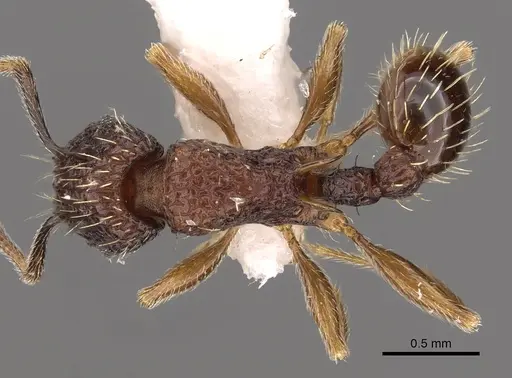
Letteratura
Caricamento mappa di distribuzione...Caricamento prodotti...