
Temnothorax porphyritis
- Nom. sci.
- Temnothorax porphyritis
- Tribù
- Crematogastrini
- Sottofamiglia
- Myrmicinae
- Autore
- Roger, 1863
- Distribuzione
- Trovata in 0 paesi
Introduzione
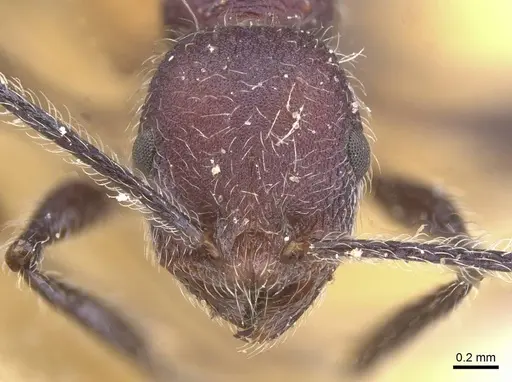
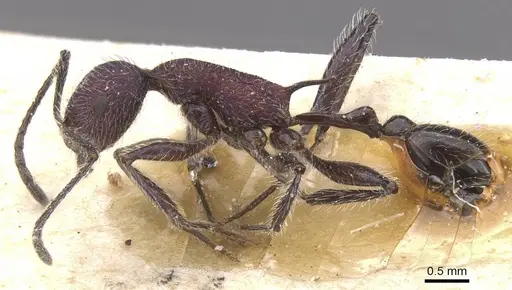
Temnothorax porphyritis is a small ant species native to Cuba . Workers are tiny, estimated 2-4 mm based on typical Temnothorax patterns, with queens slightly larger at 4-6 mm. They belong to the genus Temnothorax, known for small size and nesting in tight cavities like hollow stems, under stones, or in rotting wood. These ants are generally docile and form modest colonies. As a Caribbean species, they come from a warm, humid tropical environment.
Quick Summary
- Difficulty: Medium
- Origin & Habitat: Cuba [1]. In the wild, Temnothorax species typically nest in shaded, humid microhabitats including under stones, in rotting wood, and inside hollow plant stems.
- Colony Type: Likely monogyne (single queen) based on typical genus patterns. Some Temnothorax have ergatoid (wingless) replacement queens that take over if the primary queen dies, but this trait is unconfirmed for porphyritis.
- Size & Growth:
- Queen: Estimated 4-6 mm, inferred from Temnothorax genus
- Worker: Estimated 2-4 mm, inferred from Temnothorax genus
- Colony: Likely up to several hundred workers, estimated based on genus
- Growth: Moderate, inferred from genus patterns
- Development: Estimated 6-10 weeks based on related Temnothorax species at optimal temperature (Development time is inferred from genus-level data since species-specific studies are unavailable. Expect roughly 6-10 weeks from egg to first worker at 24-28°C.)
- Antkeeping:
- Temperature: Keep at 24-28°C, tropical origin suggests warm conditions. Provide a slight gradient so ants can regulate.
- Humidity: Moderate to high (nest substrate consistently moist but not waterlogged). These ants naturally inhabit damp microhabitats.
- Diapause: Unlikely, as a tropical Caribbean species, a full hibernation period is probably not required. May show reduced activity during cooler periods.
- Nesting: Provide small, tight-fitting chambers. Y-tong (AAC) nests, plaster nests, or test tubes work well. Avoid large open spaces.
- Behavior: Generally docile and non-aggressive. Their primary defense is escaping or smearing venom (typical of Crematogastrini tribe) rather than stinging. Forage individually for small insects and sugary substances. Due to tiny size, escape prevention is critical, they can slip through very small gaps.
- Common Issues: escape prevention is critical due to very small size, use fine mesh and tight-fitting lids, colonies may develop slowly, which can test beginner patience, wild-caught colonies may carry parasites, overheating is a risk, keep away from direct sunlight and heat sources, dry conditions quickly lead to colony death, monitor humidity closely
Housing and Nest Setup
Temnothorax porphyritis does well in small, compact nests. Y-tong (AAC) nests work well because they provide the tight chambers these tiny ants prefer. Plaster nests or modified test tube setups are also suitable. The key is providing chambers scaled to their small size. A small outworld connected to the nest allows for foraging. Because of their minute size, use fluon or another reliable barrier on the edges of the setup to prevent escapes.
Feeding and Diet
These ants are omnivorous. Offer small protein sources such as fruit flies, small mealworms, or other tiny insects. Sugar sources are readily accepted, a drop of honey water or sugar water should be provided regularly. In the wild, they likely forage for honeydew from aphids and small arthropods. Feed small amounts every few days, removing any uneaten prey to prevent mold. A constant sugar source is recommended.
Temperature and Humidity
As a Cuban species, T. porphyritis prefers warm conditions. Maintain temperatures between 24-28°C for optimal colony development. A slight temperature gradient within the setup allows ants to behaviorally thermoregulate. For humidity, aim for the nest substrate to be consistently moist but never waterlogged. Mist the nest occasionally, but allow brief drying periods between misting to prevent mold. Good ventilation is important.
Colony Development and Growth
Colony growth in Temnothorax is typically moderate rather than rapid. A newly mated queen will lay eggs after sealing herself in a small chamber. The first workers (nanitics) are usually smaller than mature workers and emerge after several weeks. Based on typical genus patterns, expect 6-10 weeks from egg to first worker at optimal temperature. After the nanitics appear, the queen resumes normal egg-laying and the colony grows more steadily. Full maturity, with hundreds of workers, typically takes 1-2 years under good conditions.
Behavior and Temperament
Temnothorax porphyritis is a docile species. Workers are small and typically flee rather than engage in aggressive defense. They belong to the tribe Crematogastrini, which uses a smearing defense, the modified stinger wipes venom onto enemies rather than piercing flesh. The colony shows moderate activity levels, with workers foraging individually rather than in large trails. Because of their tiny size, they are excellent escape artists, even small gaps can allow them to slip through. Always use escape prevention measures appropriate for very small ants.
Frequently Asked Questions
How long does it take for Temnothorax porphyritis to get their first workers?
Based on typical Temnothorax development patterns, expect 6-10 weeks from egg to first worker at optimal temperature (24-28°C). This timeline is inferred from related species since specific development data for this species is not available.
What do Temnothorax porphyritis ants eat?
They are omnivorous. Offer small protein sources like fruit flies, tiny mealworms, or other small insects. Provide a constant sugar source such as honey water or sugar water.
Can I keep Temnothorax porphyritis in a test tube?
Yes, test tubes work well for founding colonies and small setups. Ensure the cotton is properly packed and use a water reservoir to maintain humidity. As the colony grows, you may need to move them to a more spacious formicarium.
Do Temnothorax porphyritis ants sting?
They belong to the tribe Crematogastrini, which uses a smearing defense, the stinger is modified to wipe venom onto enemies rather than piercing flesh. They are docile and will typically flee from threats rather than engage in defensive behavior.
Are Temnothorax porphyritis good for beginners?
They are suitable for intermediate keepers due to their small size requiring careful attention to escape prevention and humidity. Beginners who are attentive can succeed, but they need more care than larger, more resilient species.
How big do Temnothorax porphyritis colonies get?
Based on typical genus patterns, colonies likely reach several hundred workers. They are not among the largest ant species but can form substantial colonies over 1-2 years.
Do Temnothorax porphyritis need hibernation?
Probably not. As a tropical Caribbean species, they likely do not require a true hibernation period. They may show reduced activity during cooler periods, but a full diapause is not necessary.
What temperature is best for Temnothorax porphyritis?
Keep them at 24-28°C. This tropical species prefers warm conditions, and maintaining this temperature range will support optimal colony growth.
Why are my Temnothorax porphyritis dying?
Common causes include: dry conditions (they need consistent humidity), escape through tiny gaps, overheating from direct sunlight or heat sources, and parasites from wild-caught colonies. Check that humidity is adequate and that there are no small gaps in your setup.
When should I move my colony to a formicarium?
Move them when the test tube becomes crowded or when the colony reaches around 50-100 workers. Temnothorax prefer tight spaces, so do not provide chambers that are excessively large.
Can I keep multiple queens together?
This has not been documented for this specific species. Based on typical genus behavior, they are likely monogyne (single queen). Combining unrelated queens is not recommended as it often leads to fighting.
What humidity level do Temnothorax porphyritis need?
Aim for the nest substrate to be consistently moist but never waterlogged. Monitor closely and mist as needed to maintain appropriate moisture levels.
Report an Issue
The current care sheet is based fully on literature. See inconsistencies, or something that's incorrect? Please , it will be resolved after review from an admin. Contributing to the blogs tab also helps providing information, to make us be able to further improve the caresheets. Thank you for your support!
References

Questa scheda di allevamento è concessa in licenza con CC BY-SA 4.0 .
Blog della comunità
CASENT0912983
Visualizza su AntWeb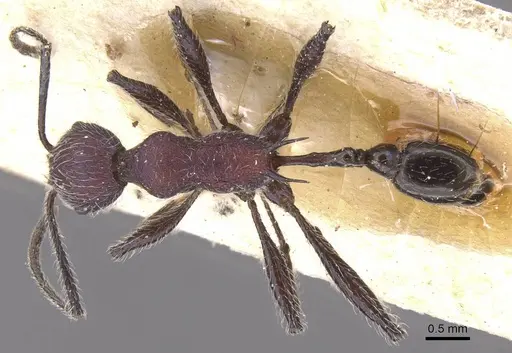
Letteratura
Caricamento mappa di distribuzione...Caricamento prodotti...