
Temnothorax oreades
- Nom. sci.
- Temnothorax oreades
- Tribù
- Crematogastrini
- Sottofamiglia
- Myrmicinae
- Autore
- Salata <i>et al.</i>, 2024
- Distribuzione
- Trovata in 0 paesi
Introduzione
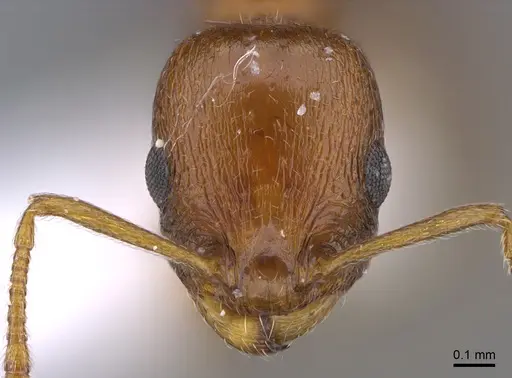
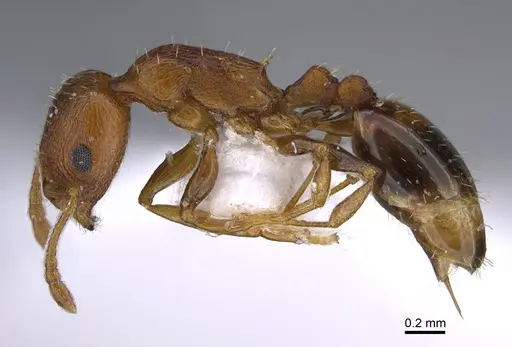
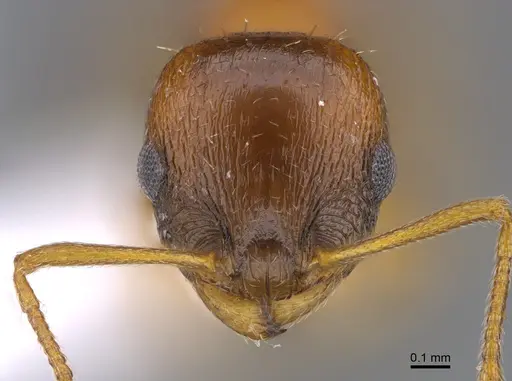
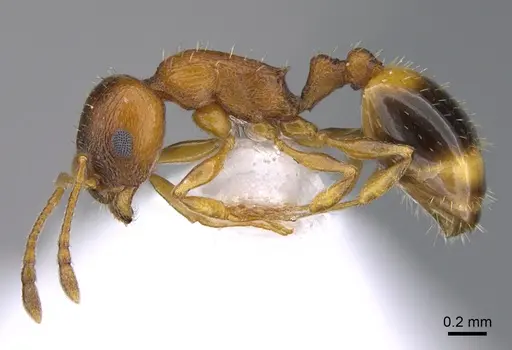
Temnothorax oreades is a tiny ant species native to Cyprus, belonging to the Temnothorax graecus group. Workers are around 2-4 mm and queens slightly larger, though exact total lengths are not documented (inferred from the Temnothorax genus) . They show remarkable color variation depending on altitude: specimens from higher elevations (above 1100 m) are darker and more distinctly bicolored with heads usually darker than the mesosoma, while those from lower altitudes are paler and nearly uniform in color . Their antennae are uniformly yellow or have a slightly darker yellow club, and they have a distinctive dark band on the first gastral tergite that typically occupies more than half the length of the segment . This is a true mountain species - in the wild, nearly all colonies are found at altitudes between 1100 m and 1928 m, with the highest nest discovered at 1862 m on Mount Chionistra (the peak of the Troodos range) . They nest under small to moderate stones in shaded Pinus nigra (black pine) forests, with a few colonies also found under moss on stones in pine rest areas . The only exception to their high‑altitude preference was a single colony at 842 m in a very shady, wet valley location .
Quick Summary
- Difficulty: Medium
- Origin & Habitat: Cyprus, specifically mountain habitats in the Troodos Mountains (Mount Chionistra/Olympos region) at elevations of 1100-1928 m. Nests are found under stones in shaded Pinus nigra forests and occasionally under moss on stones [1][2].
- Colony Type: Likely single‑queen colonies (monogyne), based on typical Temnothorax patterns. Not yet confirmed for this newly described species.
- Size & Growth:
- Queen: ~3-5 mm, size inferred from Temnothorax genus (exact total length not documented) [1][2]
- Worker: ~2-4 mm, size inferred from Temnothorax genus (exact total length not documented) [1][2]
- Colony: Unknown for this species, typical Temnothorax colonies range from a few dozen to several hundred workers
- Growth: Moderate, based on typical genus development patterns
- Development: 6-10 weeks (estimated based on related Temnothorax species at optimal temperature) (Development time is inferred from typical Temnothorax patterns, this species has not been specifically studied in captivity)
- Antkeeping:
- Temperature: Cool mountain conditions, aim for 18-22 °C. This species naturally occurs at high altitudes and prefers cooler temperatures than most ant species. Avoid overheating [1][2].
- Humidity: Moderate to high, they naturally inhabit damp, shaded forest floor environments. Keep the nest substrate moist but not waterlogged. The single low‑altitude colony was found in a very wet, shady location [1][2].
- Diapause: Yes, as a mountain species from Cyprus with cool winter temperatures at high elevations, they likely require a winter rest period. Based on their elevation range and Cyprus climate, expect 2-3 months of reduced activity around 10-15 °C
- Nesting: Prefers tight chambers and narrow passages scaled to their tiny size. In captivity, a Y‑tong (AAC) nest or plaster nest with small chambers works well. They naturally nest under stones in crevices, provide similar tight spaces [1][2].
- Behavior: Generally peaceful and non‑aggressive. Like most Temnothorax, they are shy and will flee rather than fight. Workers are active foragers but due to their tiny size, escape prevention is critical, they can squeeze through remarkably small gaps. They use tandem‑running to recruit nestmates to food sources (typical genus behavior). Queens are claustral (seal themselves in to raise first workers) based on typical genus behavior, though this has not been confirmed for this species.
- Common Issues: tiny size means escapes are likely without fine mesh barriers, cool temperature requirements may conflict with room temperature in warm homes, slow growth can frustrate beginners who overfeed or disturb the colony, high humidity needs can lead to mold if ventilation is poor, as a newly described species (2024), captive breeding information is limited, be prepared to experiment
Housing and Nest Setup
Temnothorax oreades requires a nest setup with small, tight chambers scaled to their tiny worker size (inferred ~2-4 mm). A Y‑tong (AAC) nest or plaster formicarium with narrow passages works well. These ants naturally nest under stones in rock crevices, so provide similar tight spaces with some variation in chamber size [1][2]. Avoid large, open spaces that would stress these small ants. Test tube setups work for founding colonies, but monitor humidity carefully, the cotton plug should be snug but not so tight it prevents moisture transfer. Escape prevention is critical due to their tiny size, use fine mesh barriers (e.g.,0.2 mm or smaller) on any outworld connections.
Temperature and Cooling
This is a cool‑weather species that will struggle in warm conditions. Keep the nest area at 18-22 °C, this mimics their natural mountain habitat where temperatures remain cool even in summer at high altitudes [1][2]. In captivity, you may need to use a small cooling method rather than heating. Room temperature is often too warm, especially in summer or in heated homes. A small fan pointing at the setup or placement in the coolest room of your home works better than heating. Never place them in direct sunlight or near heat sources. If workers become sluggish and cluster away from the nest center, the temperature may be too high.
Humidity and Moisture
Temnothorax oreades needs consistently damp conditions, think shaded forest floor, not dry ant habitat. Keep the nest substrate moist but avoid standing water. The single colony found below 1100 m was in a very wet, shady location, confirming their preference for moisture [1][2]. Good ventilation is equally important to prevent mold. Use a hydration setup that allows gradual moisture release rather than flooding the nest. A water tube connected to the nest works well, the ants can drink and the evaporation maintains humidity. Monitor for condensation: some is good (indicates humidity), but excessive pooling indicates too much moisture.
Feeding and Diet
Like other Temnothorax species, these ants are omnivorous but lean toward protein. Offer small live prey appropriate to their size, fruit flies, springtails, and tiny crickets work well. They will also accept sugar sources like honey water or sugar water, though protein should form the majority of their diet. Feed small amounts that can be consumed within a day or two. Due to their tiny size, even small prey items are substantial meals. Remove uneaten prey to prevent mold. A constant sugar source is recommended for established colonies.
Winter Care and Diapause
As a mountain species from Cyprus, Temnothorax oreades experiences cooler winters at their high‑altitude home and will benefit from a winter rest period. Reduce temperatures to 10-15 °C for 2-3 months during winter, typically November through February in the Northern Hemisphere. During this time, reduce feeding significantly, the colony will be less active and consume less. Do not feed during deep hibernation. Ensure the nest remains slightly moist throughout winter, as completely drying out can be fatal. Return to normal temperatures gradually in spring when natural daylight increases.
Colony Founding
Founding behavior for Temnothorax oreades is unconfirmed, but based on typical Temnothorax patterns, queens likely seal themselves in a small chamber and raise the first workers alone (claustral founding). After mating (nuptial flight timing is unknown for this species), the queen finds a tight crevice under a stone or similar protected spot, seals the entrance, and lives off her stored fat reserves while laying eggs and raising larvae. The first workers (nanitics) are typically smaller than normal workers but will begin foraging once they emerge. Do not disturb a founding queen during this period, checking too frequently can cause her to abandon or eat her brood. Wait at least 4-6 weeks before checking for eggs or larvae.
Frequently Asked Questions
Can I keep Temnothorax oreades in a test tube?
Yes, test tubes work well for founding colonies. Use a small test tube with a snug cotton plug and water reservoir. Due to their tiny size, ensure the cotton is packed firmly enough to prevent escapes while still allowing moisture transfer. Monitor humidity closely, test tubes dry out faster than formicariums.
What temperature do Temnothorax oreades ants need?
Keep them cool at 18-22 °C. This is a mountain species that naturally lives at high altitudes in Cyprus and prefers cooler temperatures than most ant species. Room temperature is often too warm, especially in summer. Avoid any heating and consider using a small fan or placing them in a cool room.
How long does it take for Temnothorax oreades to raise first workers?
Based on typical Temnothorax development, expect 6-10 weeks from egg to first worker at optimal temperature (around 20 °C). The queen is likely claustral and will seal herself in, raising the first brood alone. Do not disturb the founding chamber for at least 4-6 weeks.
Do Temnothorax oreades ants sting?
Temnothorax ants have stingers but rarely use them due to their small size and peaceful nature. They are not considered dangerous to humans. Their primary defense is fleeing rather than fighting. (Tribe Crematogastrini species use a smearing venom defense, but this is not a concern for keepers.)
Are Temnothorax oreades good for beginners?
This species is rated as medium difficulty. While their small size and specific temperature needs require attention, they are peaceful and not aggressive. The main challenges are escape prevention due to their tiny size and maintaining cool temperatures. Beginners should be prepared for slower growth than faster species.
Do Temnothorax oreades need hibernation?
Yes, they likely require a winter rest period. As a mountain species from Cyprus, they experience cooler temperatures at their high‑altitude habitat. Provide 2-3 months of reduced temperatures (10-15 °C) during winter, typically November through February.
How big do Temnothorax oreades colonies get?
Colony size is not documented for this newly described species, but typical Temnothorax colonies reach up to a few hundred workers. Growth is moderate, expect several months to reach 50 workers and longer to reach colony maturity.
What do Temnothorax oreades eat?
They are omnivorous but need protein. Feed small live prey like fruit flies, springtails, or tiny crickets. They also accept sugar sources like honey water or sugar water. Remove uneaten food promptly to prevent mold.
Why are my Temnothorax oreades dying?
Common causes include: temperature too warm (they need cool conditions), humidity too low (they need damp substrate), escapes due to inadequate barriers, or mold from poor ventilation. Check these parameters first. Also ensure you're not overfeeding, excess food mold can kill colonies.
When should I move Temnothorax oreades to a formicarium?
Wait until the colony has at least 20-30 workers and the test tube setup shows signs of stress (condensation issues, mold, or the colony avoiding the water chamber). For this tiny species, a small Y‑tong or plaster nest with appropriately sized chambers works best.
Can I keep multiple queens together?
Not recommended. Temnothorax oreades is likely monogyne (single queen) based on typical genus patterns. Combining unrelated queens has not been documented for this species and would likely result in fighting. Only keep one queen per colony.
Where is Temnothorax oreades found in the wild?
This species is endemic to Cyprus, specifically the Troodos Mountains. Nearly all known colonies are found at elevations above 1100 m, with the highest at 1862 m on Mount Chionistra. They nest under stones in shaded Pinus nigra forests [1][2].
Report an Issue
The current care sheet is based fully on literature. See inconsistencies, or something that's incorrect? Please , it will be resolved after review from an admin. Contributing to the blogs tab also helps providing information, to make us be able to further improve the caresheets. Thank you for your support!
References

Questa scheda di allevamento è concessa in licenza con CC BY-SA 4.0 .
Blog della comunità
CASENT0923710
Visualizza su AntWeb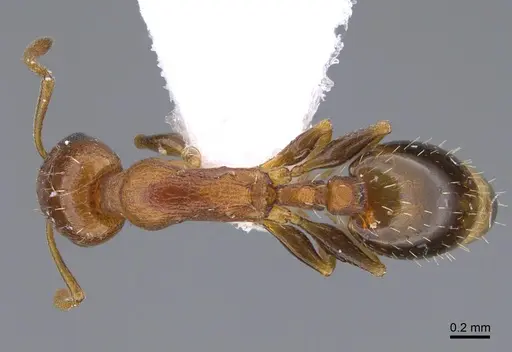
CASENT0923711
Visualizza su AntWeb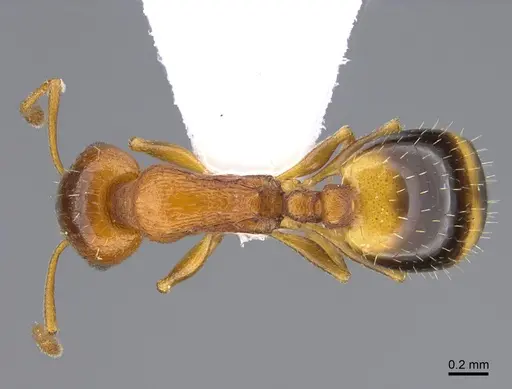
Letteratura
Caricamento mappa di distribuzione...Caricamento prodotti...