
Technomyrmex tatius
- Nom. sci.
- Technomyrmex tatius
- Tribù
- Tapinomini
- Sottofamiglia
- Dolichoderinae
- Autore
- Bolton, 2007
- Distribuzione
- Trovata in 0 paesi
Introduzione
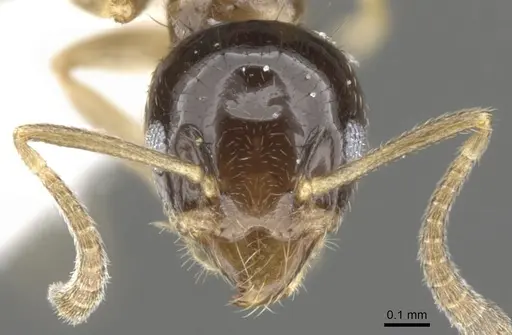
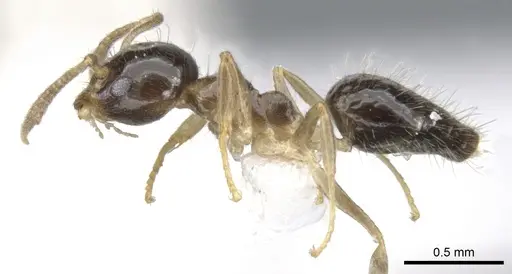
Technomyrmex tatius is a small, dark brown ant belonging to the Dolichoderinae subfamily. Workers measure about 2.1–2.4 mm, making them a tiny, glossy species native to Southeast Asia. They are found in Borneo (Sabah), Brunei, Indonesia, Malaysia, and Thailand, living in lowland dipterocarp rainforests . The ants build papery carton nests attached to tree leaves in the canopy . What makes this species stand out is its canopy-dwelling lifestyle and the way it constructs its own nests from plant fibers. Unlike most ants that nest in soil or wood, Technomyrmex tatius creates protective shelters on leaves, which is unusual and interesting to observe in captivity .
Quick Summary
- Difficulty: Medium
- Origin & Habitat: Borneo and Southeast Asia – specifically Sabah (Malaysia), Brunei, Indonesia, Thailand, and surrounding regions. They inhabit lowland dipterocarp rainforests, particularly in the canopy layer, where they construct carton nests on tree leaves [2][1].
- Colony Type: Unknown – most related Technomyrmex species are monogyne (single queen), but the social structure of T. tatius has not been confirmed from field studies.
- Size & Growth:
- Queen: ~3.17 mm [1]
- Worker: 2.1–2.4 mm [1][3]
- Colony: Colony size is unconfirmed for this species. Based on related species and their small worker size, colonies likely reach a few hundred workers at most.
- Growth: Moderate (estimated based on typical Dolichoderinae patterns)
- Development: Development timeline is unconfirmed for this species. Based on similar small tropical ants, expect roughly 4–8 weeks from egg to first worker at optimal warm temperatures (24–28°C). (No direct development data exists for T. tatius. Estimates are based on genus-level patterns.)
- Antkeeping:
- Temperature: Keep these ants warm, ideally around 24–28°C. As a tropical canopy species from Borneo, they need consistently warm temperatures without major fluctuations. A small heating cable on one side of the nest can help maintain this range. This recommendation is based on their natural habitat in lowland rainforests [2][1].
- Humidity: Maintain high humidity, similar to their rainforest canopy home. Keep the nest substrate consistently moist but not waterlogged. A humidity gradient is helpful. Based on their rainforest origin, the nest area should feel damp but not have standing water. Good ventilation is important to prevent mold [1][2].
- Diapause: No – this is a tropical species from regions with minimal seasonal temperature variation. They do not require hibernation or winter rest. This is inferred from their equatorial habitat.
- Nesting: These ants naturally construct carton nests on tree leaves [1]. In captivity, provide a naturalistic setup with living or artificial plants where they can build, or a well-humidified plaster/Y‑tong nest. They may not accept dry test‑tube setups. Offer soft plant material or leaf surfaces for nest building.
- Behavior: Technomyrmex tatius is a relatively calm, non‑aggressive species. As Dolichoderinae, they lack a functional sting and defend by exuding a foul‑smelling sticky substance from their anal gland. They are tiny but active foragers, likely feeding on honeydew and small insects in the wild. Escape risk is moderate due to their small size – use fine mesh and secure barriers (e.g., Fluon). Being canopy‑dwellers, they may be more active in elevated parts of the setup.
- Common Issues: tropical humidity needs mean dry housing will cause colony decline – keep the nest consistently moist, small size makes escape prevention important – use fine mesh, tight seals, and barrier fluids, canopy‑dwelling species may not thrive in ground‑level setups – provide elevated nesting options or vertical space, carton‑nesting behavior requires offering plant material or leaf surfaces for them to build on, tropical species are sensitive to temperature drops – avoid cold drafts, air conditioning, or temperatures below 20°C
Housing and Nest Setup
Technomyrmex tatius presents unique housing challenges because they naturally nest in the canopy by constructing carton nests on tree leaves [1]. This means they won't do well in simple test tube setups that mimic ground‑nesting species. Instead, provide a naturalistic setup with living or artificial plants where they can build their papery nests. Alternatively, a well‑humidified plaster or Y‑tong formicarium works, but add some plant material or leaf surfaces they can use for nest construction. Keep the nest area humid and warm, with good ventilation to prevent mold. These ants are small, so chambers and passages should be appropriately sized – not too large or they may feel exposed. Place the nest in a warm area of your setup, ideally with a slight temperature gradient.
Feeding and Diet
Like most Dolichoderinae ants, Technomyrmex tatius has a varied diet. They likely feed on honeydew from sap‑sucking insects and small invertebrates. In captivity, offer sugar water or honey water as a constant energy source. For protein, provide small prey items like fruit flies, pinhead crickets, or small mealworms (appropriately sized). They may also accept commercial ant jelly or protein paste. Feed sugar water continuously, refreshing every few days, and offer protein every 2–3 days. Remove uneaten prey after 24 hours to prevent mold. [3]
Temperature and Seasonal Care
As a tropical species from Borneo's lowland rainforests, Technomyrmex tatius requires warm, stable temperatures. Keep the nest area at 24–28°C (75–82°F). They are not tolerant of cool temperatures, so avoid placing their setup near windows, air conditioning vents, or any cold area. A small heating cable or heating mat on one side of the nest can help maintain warmth, but always provide a temperature gradient so the ants can move to cooler areas if needed. Since they come from a region with minimal seasonal variation, they do not require hibernation or diapause. Maintain consistent conditions year‑round. Temperature drops below 20°C can stress or kill these ants [2][1].
Humidity Requirements
Technomyrmex tatius needs high humidity to thrive, reflecting their rainforest canopy origin. Keep the nest substrate consistently moist but never waterlogged. The substrate should feel damp to the touch but not dripping. Monitor condensation – some is good, but excessive standing water can drown brood. Provide a moisture gradient so ants can choose their preferred level. Misting the outworld occasionally can help maintain humidity, but avoid misting directly onto the nest. Good ventilation is essential to prevent mold while keeping the inside humid. [1]
Behavior and Colony Dynamics
Technomyrmex tatius is a calm, non‑aggressive species. They actively forage in the canopy in the wild and, in captivity, will establish foraging trails and explore their environment. As Dolichoderinae, they lack functional stingers and defend by exuding a foul‑smelling sticky substance from their anal gland. This is mild and rarely problematic for keepers. Their small size (workers ~2.1–2.4 mm) means they can squeeze through tiny gaps, so escape prevention is essential. Colonies likely grow moderately, with the queen laying eggs continuously in warm conditions. An intercaste form (intermediate between worker and queen) has been documented [1], suggesting some flexibility in their social structure.
Handling and Safety
Technomyrmex tatius is completely safe to handle. They lack functional stingers and are not aggressive. If threatened, they may exude a small drop of sticky substance from their anal gland, which has a mild odor but causes no harm to humans or pets. These ants pose no danger to children or other animals. They are small and can be moved with a soft brush or by allowing them to walk onto your hand. Always wash hands before and after handling ants to prevent pathogen transfer. There are no legal restrictions on keeping this species, but never release captive ants into non‑native environments. [3]
Frequently Asked Questions
How long does it take for Technomyrmex tatius to produce first workers?
The exact development time is unconfirmed for this species. Based on similar small tropical ants, expect roughly 4–8 weeks from egg to first worker at optimal warm temperatures (24–28°C). Factors like temperature and feeding can affect the speed. Be patient – small colonies grow gradually.
Can I keep Technomyrmex tatius in a test tube?
This is not recommended. Technomyrmex tatius naturally constructs carton nests on tree leaves in the canopy, not in ground burrows [1]. They need humid conditions and prefer nesting materials they can build on. A naturalistic setup with plant material or a well‑humidified plaster/Y‑tong formicarium works much better than a dry test tube. If you must use a test tube, keep it very humid and add small plant material for them to use.
What do Technomyrmex tatius eat?
They likely accept a varied diet similar to other Dolichoderinae ants. Offer sugar water or honey water as a constant energy source. For protein, provide small prey like fruit flies, pinhead crickets, or small mealworms. They may also accept commercial ant jelly. Feed sugar constantly and protein prey every 2–3 days. Remove uneaten food after 24 hours.
Are Technomyrmex tatius good for beginners?
This species is rated as Medium difficulty. While not aggressive, they have specific humidity and nesting requirements that differ from common ground‑nesting ants. They need warm, humid conditions and prefer naturalistic or well‑humidified setups. If you are experienced with tropical species and can provide proper humidity, they can be rewarding. Beginners may find their humidity needs challenging.
How big do Technomyrmex tatius colonies get?
Colony size is unconfirmed for this specific species. Based on their tiny worker size (2.1–2.4 mm) and related species, colonies likely reach a few hundred workers at maximum. They are not among the large‑colony species. Growth is likely moderate, with colonies expanding gradually under optimal conditions.
Do Technomyrmex tatius need hibernation?
No, they do not need hibernation. As a tropical species from Borneo's rainforests, they experience year‑round warm temperatures with minimal seasonal variation. Maintain consistent warm conditions (24–28°C) throughout the year. Cooling them for hibernation could stress or kill the colony.
Why is my Technomyrmex tatius colony declining?
The most likely causes are: low humidity (they need consistently moist conditions), temperatures below 20°C, or inadequate food. Check that the nest substrate stays damp, temperatures remain warm (24–28°C), and they are getting sugar constantly plus regular protein. Also verify escape prevention – small ants can slip through tiny gaps. Review all three factors before assuming other issues.
Can I keep multiple Technomyrmex tatius queens together?
This has not been documented for this species. Most Technomyrmex species are monogyne (single queen), but colony structure for T. tatius specifically is unconfirmed. Do not combine unrelated foundress queens – this often leads to fighting and colony failure. If you acquire multiple queens, house them separately until you determine their colony structure.
What makes Technomyrmex tatius different from other ants?
Their unique carton nest‑building behavior sets them apart – they construct papery nests from plant fibers attached to leaves, similar to some wasps [1]. This canopy‑dwelling lifestyle means they need different housing than typical ground‑nesting ants. They also have a distinct notch in their clypeus (face) that helps identify them. Their small size and glossy dark brown coloration are also distinctive.
Report an Issue
The current care sheet is based fully on literature. See inconsistencies, or something that's incorrect? Please , it will be resolved after review from an admin. Contributing to the blogs tab also helps providing information, to make us be able to further improve the caresheets. Thank you for your support!
References

Questa scheda di allevamento è concessa in licenza con CC BY-SA 4.0 .
Blog della comunità
CASENT0903040
Visualizza su AntWeb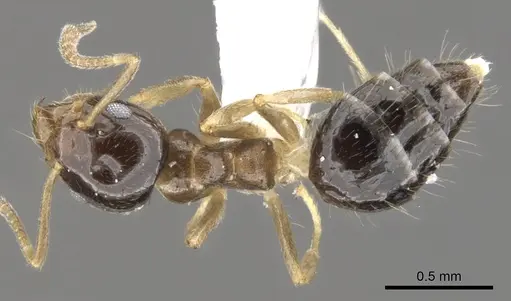
Letteratura
Caricamento mappa di distribuzione...Caricamento prodotti...