
Technomyrmex lasiops
- Nom. sci.
- Technomyrmex lasiops
- Tribù
- Tapinomini
- Sottofamiglia
- Dolichoderinae
- Autore
- Bolton, 2007
- Distribuzione
- Trovata in 0 paesi
Introduzione
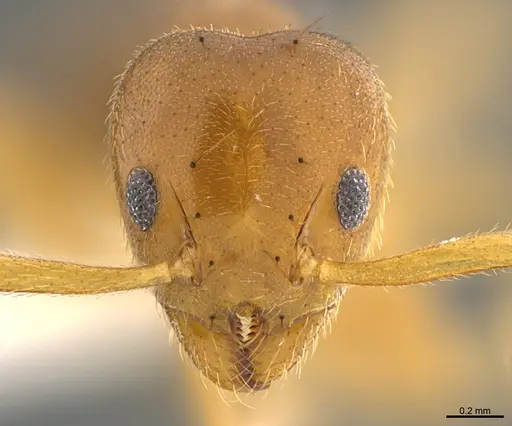
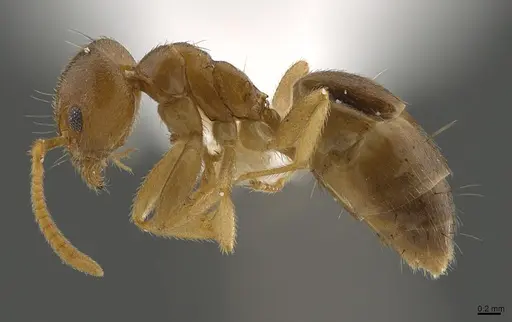
Technomyrmex lasiops is a small ant species native to Central Africa, specifically documented in the Democratic Republic of Congo . Workers are small (size data unavailable) with a smooth, glossy body typical of Dolichoderinae. They belong to the subfamily Dolichoderinae and tribe Tapinomini, meaning they lack a functional sting. Instead, they defend themselves by exuding sticky, foul-smelling cyclopentanoid monoterpenes from an anal gland. This chemical defense deters predators but is harmless to humans in small amounts.
Quick Summary
- Difficulty: Easy
- Origin & Habitat: Democratic Republic of Congo in Central Africa. In the wild, they likely nest in moist microhabitats such as under stones, in rotting wood, or within human structures, typical of Technomyrmex species adapted to tropical environments [1].
- Colony Type: Likely monogyne (single-queen colonies), inferred from typical genus patterns. Specific studies on T. lasiops colony structure are not available.
- Size & Growth:
- Queen: size data unavailable
- Worker: size data unavailable
- Colony: Up to a few thousand workers (inferred from genus patterns), specific colony size for T. lasiops is unknown.
- Growth: Moderate (inferred from tropical Dolichoderines)
- Development: Estimated 6-8 weeks at optimal tropical temperatures (24-28°C), based on related species (Direct measurements for T. lasiops are not available. Tropical species generally develop faster than temperate ones.)
- Antkeeping:
- Temperature: Keep at 24-28°C. As a tropical species from the DRC, they prefer warm conditions. Use a heating cable on one side of the nest to create a gradient if room temperature is cooler. Avoid temperatures below 20°C.
- Humidity: Moderate to high humidity. Keep the nest substrate consistently moist but not waterlogged. Provide a humidity gradient with some drier areas. Their natural habitat is tropical and humid.
- Diapause: No. As a tropical species from Central Africa, they do not experience cold winters. Keep at stable temperatures year-round.
- Nesting: Provide a moist nest environment. Y-tong (AAC), plaster, or naturalistic soil nests work well. Test tube setups with a water reservoir are ideal for founding colonies. They prefer tight, humid chambers.
- Behavior: Technomyrmex lasiops is a docile, non-aggressive species. When threatened, they flee and use chemical defense (smear) rather than fighting. Their small size (under 4mm) means escape risk is high, they can squeeze through tiny gaps. Use tight-fitting lids and barrier fluon. They forage actively and may establish trails.
- Common Issues: escape prevention is critical, their small size allows them to squeeze through tiny gaps, tropical species may struggle if temperatures drop below 20°C for extended periods, colonies may fail if humidity drops too low or substrate dries out completely, limited species-specific information means care is based on genus patterns, not direct observation, wild-caught colonies may carry parasites that can cause problems in captivity
Temperature and Care
Technomyrmex lasiops comes from the tropical climate of the Democratic Republic of Congo, so they need warm conditions to thrive. Keep the nest area at 24-28°C for optimal colony development and brood growth. If your room temperature falls below this range, use a heating cable placed on top of the nest (never underneath, as excessive direct heat can kill the colony). Create a slight temperature gradient so workers can choose their preferred warmth. These ants are sensitive to cold, prolonged temperatures below 20°C can weaken or kill colonies. Stable temperatures are more important than exact precision, so avoid placing the nest near air conditioning vents or drafty windows.
Humidity and Water
Maintain moderate to high humidity in the nest. In their natural tropical habitat, these ants experience consistent moisture. Keep the nest substrate consistently moist but not sitting in standing water. A water tube attached to the nest works well for founding colonies, the cotton plug maintains humidity while providing drinking water. For established colonies, mist the nest area occasionally and monitor substrate moisture. If you notice workers clustering near water sources or the nest appears dry, increase moisture. The key is balance, too wet causes mold, too dry causes desiccation and brood death.
Feeding and Diet
Like other Technomyrmex species, T. lasiops likely has an omnivorous diet. Offer sugar sources regularly, a drop of sugar water, honey, or diluted honey water every few days provides essential energy. They also need protein for brood development: small insects like fruit flies, small mealworms, or cricket pieces work well. Feed protein once or twice weekly, removing uneaten prey after 24 hours. Fresh water should always be available. These ants are not specialized predators, so a varied diet of sugars and small protein sources keeps colonies healthy. Observe your colony's preferences, some accept a wider variety than others.
Nesting Preferences
In captivity, Technomyrmex lasiops does well in Y-tong (AAC) nests, plaster nests, or naturalistic setups with moist substrate. They prefer tight, humid chambers rather than large open spaces. For founding colonies, a standard test tube setup with a water reservoir works perfectly, the queen will raise her first workers in the humid tube environment. Once the colony reaches about 30 workers, you can consider moving them to a larger formicarium if needed. The key is maintaining moisture in the nest material while providing adequate ventilation to prevent mold.
Behavior and Temperament
Technomyrmex lasiops is a docile, non-aggressive species. When threatened, they will more likely flee than engage in combat. Like other Dolichoderine ants, they lack a functional sting. Instead, they defend by exuding sticky, foul-smelling cyclopentanoid monoterpenes from an anal gland. This chemical defense is harmless to humans in small amounts but can be irritating. They are active foragers and will establish trails to food sources. This species may show housekeeping behavior and could potentially nest in wall voids or structural gaps if given the opportunity. Workers are small but persistent, and they communicate through chemical signals rather than aggressive displays.
Frequently Asked Questions
How long does it take for Technomyrmex lasiops to produce first workers?
Expect first workers (nanitics) around 6-8 weeks after the queen lays eggs, assuming temperatures are kept at 24-28°C. This is an estimate based on typical development times for related Technomyrmex species, direct measurements for T. lasiops are not available. The first workers will be smaller than mature workers and may take a few weeks to develop fully.
What temperature is best for Technomyrmex lasiops?
Keep them at 24-28°C. This tropical species from the DRC requires warm conditions. A heating cable on top of the nest can help maintain these temperatures if your room is cooler. Avoid temperatures below 20°C for extended periods.
Can I keep multiple queens together?
Not recommended. While specific studies on T. lasiops are lacking, Technomyrmex species are typically monogyne (single-queen colonies). Combining unrelated queens of this species has not been documented and queens would likely fight. Start with one queen per colony for best success.
How big do Technomyrmex lasiops colonies get?
Colony size is not documented specifically for T. lasiops, but related Technomyrmex species typically reach several hundred to a few thousand workers. Expect moderate growth over several years with proper care.
Do Technomyrmex lasiops need hibernation?
No, they do not need hibernation. As a tropical species from Central Africa, they do not experience cold winters. Keep them at stable tropical temperatures (24-28°C) year-round.
What do Technomyrmex lasiops eat?
They are omnivorous. Offer sugar sources (honey water, sugar water, honey) regularly for energy. Feed protein (small insects like fruit flies, tiny mealworms, cricket pieces) once or twice weekly for brood development. Fresh water should always be available.
Are Technomyrmex lasiops good for beginners?
Yes, they are considered a good species for beginners. They are docile, do not sting, and have straightforward care requirements. The main challenges are maintaining proper humidity and temperature, which are easily managed with basic equipment. Their small size and tropical origin are the primary considerations.
Why are my Technomyrmex lasiops dying?
Common causes include: temperatures below 20°C (tropical species are cold-sensitive), low humidity causing desiccation, mold from excessive moisture, or stress from frequent disturbances. Check your temperature and humidity levels first. Wild-caught colonies may also carry parasites that can cause problems in captivity.
When should I move my colony to a formicarium?
You can keep a founding colony in a test tube until it reaches 30-50 workers. At this point, a Y-tong or plaster nest provides more space and better humidity control. Move them when the test tube shows signs of crowding or if the water reservoir needs frequent refilling.
How do I prevent Technomyrmex lasiops from escaping?
Use tight-fitting lids and apply barrier gel (like Fluon) around the edges of any opening. Their small size allows them to squeeze through tiny gaps that larger ants cannot. Check all connections between the nest and outworld, and consider using a moat of water or oil as an additional barrier.
Is Technomyrmex lasiops invasive anywhere?
This species is native to Central Africa (Democratic Republic of Congo). There is no documentation of it being invasive in other regions. As with any ant, never release captive colonies into non-native environments.
Report an Issue
The current care sheet is based fully on literature. See inconsistencies, or something that's incorrect? Please , it will be resolved after review from an admin. Contributing to the blogs tab also helps providing information, to make us be able to further improve the caresheets. Thank you for your support!
References

Questa scheda di allevamento è concessa in licenza con CC BY-SA 4.0 .
Blog della comunità
CASENT0903055
Visualizza su AntWeb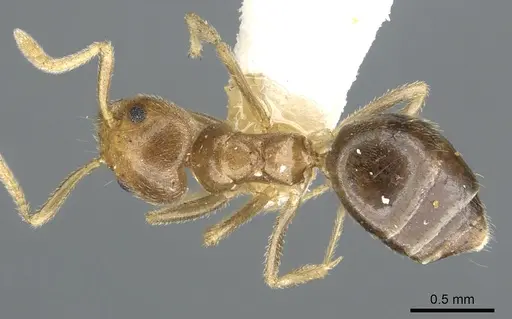
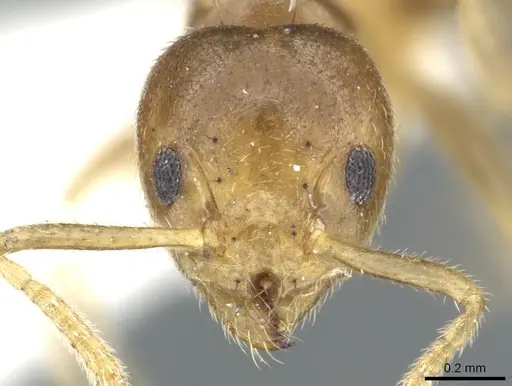
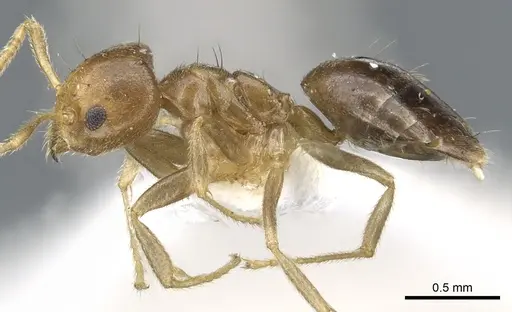
CASENT0923567
Visualizza su AntWeb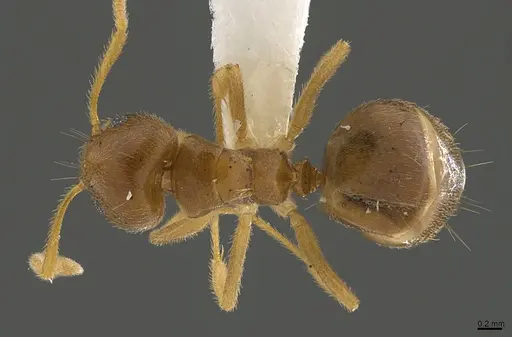
Letteratura
Caricamento mappa di distribuzione...Caricamento prodotti...