
Tapinolepis longitarsis
- Nom. sci.
- Tapinolepis longitarsis
- Tribù
- Plagiolepidini
- Sottofamiglia
- Formicinae
- Autore
- Collingwood & Agosti, 1996
- Distribuzione
- Trovata in 0 paesi
Introduzione
Taxonomists originally placed this species in the genus Anoplolepis, but later moved it to Tapinolepis . Tapinolepis longitarsis is a small, slender, fast-moving ant from Saudi Arabia, Yemen, and the UAE . Workers are estimated to be 3-5 mm long, based on related Tapinolepis species. Like all Formicinae, they defend themselves by spraying formic acid rather than stinging. They inhabit arid desert margins and dry scrubland across the Middle East .
Quick Summary
- Difficulty: Expert
- Origin & Habitat: Middle East, Saudi Arabia, Yemen, and the UAE. Found in arid desert margins and dry scrubland environments [1][2].
- Colony Type: Unconfirmed. Based on related Tapinolepis species, likely monogyne (single queen), but this is not confirmed.
- Size & Growth:
- Queen: ~5-7 mm, inferred from Tapinolepis genus, no direct measurements available.
- Worker: ~3-5 mm, inferred from Tapinolepis genus, no direct measurements available.
- Colony: Likely several hundred workers, estimated from genus typical size, but not confirmed.
- Growth: Moderate, estimated, direct data unavailable.
- Development: Estimated 6-10 weeks at optimal warm temperature, based on related Formicinae species. (Direct development data is lacking for this species. Estimates rely on patterns from similar tropical/subtropical ants.)
- Antkeeping:
- Temperature: Warm conditions required, aim for 24-28°C, based on native arid habitat. Provide a temperature gradient for thermoregulation.
- Humidity: Low to moderate, this arid species needs dry conditions. Keep nest substrate relatively dry, with a small water tube for drinking.
- Diapause: No, this species originates from tropical/subtropical latitudes without true winter [1].
- Nesting: Naturalistic setup with dry to moderately moist substrate. Use Y-tong, plaster, soil, or 3D-printed nests with minimal water chambers. Avoid acrylic nests.
- Behavior: These ants are active, fast-moving workers. As Formicinae, they defend by spraying formic acid, not dangerous to healthy humans but can irritate skin and eyes. Workers are small and agile, making escape prevention critical. Colonies are likely moderately aggressive when defending territory.
- Common Issues: escape prevention is critical, small size and agility make them adept escape artists, limited species-specific care information makes keeping challenging, overwatering can quickly kill colonies, they need dry conditions, warm temperature needs year-round may increase energy costs, wild-caught colonies may carry parasites or diseases with no documented treatment protocols
Temperature and Care
Tapinolepis longitarsis originates from warm arid regions of the Middle East [1][2], so maintaining appropriate temperatures is essential for colony health. Keep the nest area at 24-28°C, with a slight gradient that lets workers regulate their body temperature. A heating cable or mat on one side of the nest works well, but always leave some cooler areas so ants can escape overheating. This species does not need hibernation or winter cooling. Year-round warm conditions mimic their natural environment. Monitor colony activity: if workers become sluggish, the temperature may be too low, if they cluster away from heated areas, it may be too warm.
Humidity and Nest Setup
This species is adapted to arid conditions [1][2], so humidity management is critical. Keep the nest substrate relatively dry, think desert margins, not rainforests. A small water tube or cotton reservoir provides drinking water without creating excessive moisture. For test tube setups, keep the water chamber small and ensure good ventilation to prevent mold. For Y-tong, plaster, or 3D-printed nests, use minimal water chambers and let the substrate dry between rehydrations. Provide a moisture gradient, some areas slightly damp, others dry, so ants can choose their preferred microclimate. Avoid overwatering, consistently wet conditions will stress the colony and promote mold growth that can be fatal.
Feeding and Diet
Like most Formicinae species, Tapinolepis longitarsis likely accepts a varied diet including sugary liquids and protein sources. Offer sugar water, honey, or diluted nectar regularly as an energy source. For protein, provide small insects like fruit flies, pinhead crickets, or mealworms. Feed every 2-3 days, removing uneaten prey within 24 hours to prevent mold. The exact dietary preferences of this species are not documented, so observe your colony's response. Always ensure fresh water is available.
Behavior and Temperament
Workers are active and quick-moving, characteristic of many Formicinae ants. They defend the colony by spraying formic acid, not dangerous to healthy humans but can cause temporary skin irritation or be unpleasant if sprayed in eyes. This species is not considered particularly aggressive toward keepers but will defend vigorously if their nest is threatened. Escape prevention requires attention due to their small size and agility. Use tight-fitting lids, fine mesh on ventilation, and apply fluon or other barriers to escape-proof your setup. These ants are diurnal and usually show peak activity during warmer parts of the day. Temperament may vary between colonies.
Frequently Asked Questions
Is Tapinolepis longitarsis a good beginner ant?
No. This species is not recommended for beginners. There is very little species-specific care information, and its arid habitat requirements are easy to get wrong. The small size and escape ability also require experienced setup management. Start with better-documented species like Lasius niger or Camponotus floridanus.
How long does it take for Tapinolepis longitarsis to produce first workers?
Exact development time is not documented for this species. Based on related Formicinae patterns, expect roughly 6-10 weeks from egg to first worker (nanitic) at optimal warm temperatures. Patience is essential as growth may be slow.
Can I keep multiple Tapinolepis longitarsis queens together?
Not recommended without specific documentation. The colony structure of this species is unconfirmed, and combining unrelated queens risks fatal aggression. If you obtain a multi-queen colony from the wild, keep them separated until you observe stable co-existence or one queen dominates.
What temperature do Tapinolepis longitarsis ants need?
Keep them warm at 24-28°C. This mimics their native arid Middle Eastern habitat [1]. A temperature gradient for thermoregulation is ideal, some warmer areas and some cooler areas within the setup.
Do Tapinolepis longitarsis need hibernation?
No. This species originates from tropical/subtropical latitudes without cold winters [1]. Year-round warm conditions are appropriate. They may show reduced activity during cooler months but do not require a diapause period.
Why are my Tapinolepis longitarsis dying?
Common causes include overwatering (they need dry conditions, based on arid habitat [1]), temperatures too low or too high, escape-related losses, stress from excessive disturbance, or parasites from wild-caught colonies. Review your humidity levels first. Ensure temperatures are stable within 24-28°C.
How big do Tapinolepis longitarsis colonies get?
Colony size is not well-documented for this species. Based on genus patterns for similar Tapinolepis species, colonies likely reach several hundred workers. Growth rate is estimated as moderate. Expect gradual expansion over several years.
Report an Issue
The current care sheet is based fully on literature. See inconsistencies, or something that's incorrect? Please , it will be resolved after review from an admin. Contributing to the blogs tab also helps providing information, to make us be able to further improve the caresheets. Thank you for your support!
References

Questa scheda di allevamento è concessa in licenza con CC BY-SA 4.0 .
Blog della comunità
CASENT0906441
Visualizza su AntWeb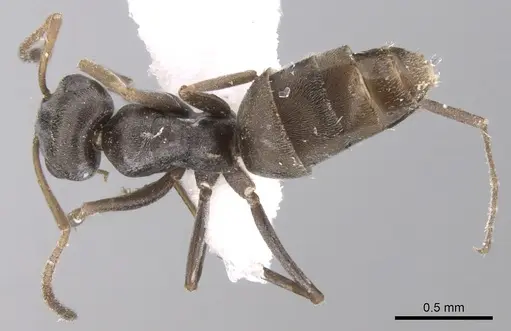
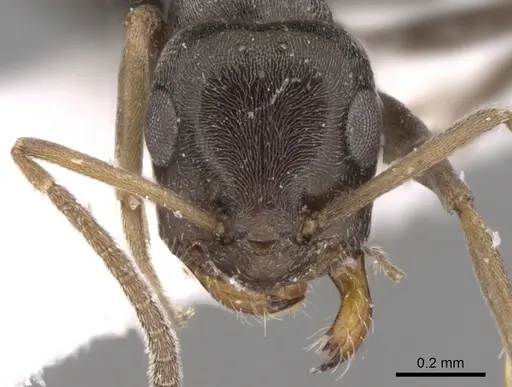
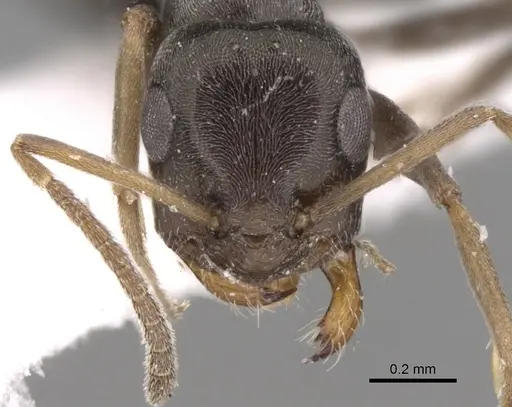
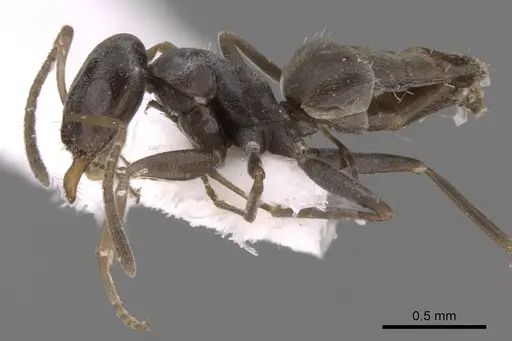
Letteratura
Caricamento mappa di distribuzione...Caricamento prodotti...