
Strumigenys bellatrix
- Nom. sci.
- Strumigenys bellatrix
- Tribù
- Attini
- Sottofamiglia
- Myrmicinae
- Autore
- Bolton, 2000
- Distribuzione
- Trovata in 0 paesi
Introduzione
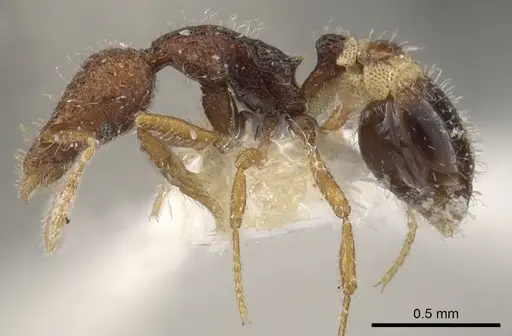
Strumigenys bellatrix is a tiny predatory ant documented in the Democratic Republic of Congo . Like other species in the genus, it is likely a specialized hunter of small soil arthropods, such as springtails, and belongs to the dacetine group known for trap-jaw mandibles. Workers are inferred to be about 2‑3 mm long, with queens slightly larger. Specific biological details beyond distribution remain unconfirmed, but based on genus patterns they probably live in moist leaf litter in tropical forests.
Quick Summary
- Difficulty: Medium/Hard
- Origin & Habitat: Documented only in the Democratic Republic of Congo [1]. Inferred to inhabit moist forest leaf litter and soil, similar to other Strumigenys species. Microhabitat preferences are not well‑studied.
- Colony Type: Likely single‑queen colonies based on typical genus patterns, but this is unconfirmed. Colony size is inferred to remain small, typically under 200 workers.
- Size & Growth:
- Queen: ~3‑4 mm, inferred from Strumigenys genus
- Worker: ~2‑3 mm, inferred from Strumigenys genus
- Colony: Inferred up to 200 workers
- Growth: Slow, dacetine ants develop slowly
- Development: Inferred 10‑16 weeks based on related species (Development is slower than many ants. First workers (nanitics) are very small and may take longer to develop.)
- Antkeeping:
- Temperature: Inferred tropical conditions: keep around 22‑26 °C with a gentle heat gradient. Stable warmth is important.
- Humidity: High humidity is essential, aim for damp substrate (70‑85 % RH). Dry conditions quickly kill the colony. Use a moisture gradient.
- Diapause: Not required. As a tropical species, no winter rest. Maintain consistent temperatures year‑round.
- Nesting: Y‑tong (AAC) or plaster nests work well. They need tight, humid chambers. Avoid dry setups.
- Behavior: Strumigenys bellatrix is a specialized predator. Workers likely hunt individually using trap‑jaw mandibles to capture springtails and micro‑arthropods. They possess a sting but it is not medically significant and is rarely used against humans. Their tiny size makes escape a high risk, use fine mesh and fluon barriers. Colonies are quiet and prefer humid nest environments.
- Common Issues: dry conditions kill colonies quickly, always provide damp substrate, tiny size makes escape likely without fine mesh and tight fittings, specialized diet (live micro‑arthropods) means colonies starve if fed standard ant food, slow growth tests patience, avoid over‑feeding or frequent disturbance, wild‑caught colonies may contain parasites that cause collapse
Housing and Nest Setup
Strumigenys bellatrix requires humid housing. Y‑tong (AAC) nests work well because they hold moisture and allow observation. Plaster nests are another good option, plaster absorbs water to keep the nest damp. Avoid dry nests and spaces that are too large for these tiny ants. The outworld should be small and easy to maintain. Use a water source connected to the nest. Because of their minute size, apply fluon on the rim and use fine mesh on ventilation holes to prevent escape.
Feeding and Diet
This is the most critical aspect. They likely eat only live small arthropods, springtails are the ideal prey. Other accepted food includes tiny soil mites, booklice, and fruit fly larvae. Never offer sugar, honey, or seeds, they will not eat these. Feed small prey every 2‑3 days, removing leftovers after 24 hours. A well‑fed colony hunts actively, a hungry colony becomes sluggish. Establish a consistent culture of live springtails to keep the colony healthy.
Temperature and Humidity
Maintain temperatures around 22‑26 °C. They can briefly tolerate slight deviations but thrive in stable warmth. A small heating cable on one side creates a gentle gradient. Humidity is more critical than temperature, aim for 70‑85 % RH. The substrate should feel damp but not waterlogged. Mist the nest regularly and keep the water reservoir filled. In dry conditions workers become inactive and die. If workers cluster excessively on damp cotton, increase misting.
Colony Development
Colonies grow slowly. A newly mated queen lays a small batch of eggs, and larvae take several weeks to develop even at optimal temperatures. The first workers (nanitics) are often smaller and may not hunt immediately, the queen continues feeding them. Expect the first 6 months to show minimal visible growth. Once the colony reaches 10‑20 workers, growth becomes more noticeable but remains slow. Mature colonies rarely exceed 100‑200 workers. Patience is essential, disturbing the nest frequently can stress the queen. Let the colony develop at its own pace.
Behavior and Temperament
These ants are peaceful and not aggressive toward humans. They possess a sting but it is not used against people. Workers are solitary hunters, they do not recruit nestmates. Each worker hunts independently, using trap‑jaw mandibles to capture tiny prey. They stay in the humid nest most of the time. Their tiny size means they can slip through gaps that hold larger ants, use fine mesh and check for openings.
Frequently Asked Questions
What do Strumigenys bellatrix ants eat?
They likely eat only live small arthropods. Springtails are ideal. Other suitable prey includes tiny soil mites, booklice, and fruit fly larvae. They do not eat sugar, honey, seeds, or dead insects.
How long does it take for Strumigenys bellatrix to produce first workers?
Inferred: 10‑16 weeks from egg to first worker at optimal temperature (~24 °C). Development is slow.
Do Strumigenys bellatrix ants need hibernation?
No. As a tropical species, they do not require a diapause. Keep temperatures consistent year‑round.
Can I keep Strumigenys bellatrix in a test tube setup?
A test tube can work for a founding queen but is not ideal long‑term due to humidity challenges. A Y‑tong or plaster nest is better for established colonies.
Are Strumigenys bellatrix good for beginners?
No. They are difficult because of their specialized live‑prey diet, high humidity needs, slow growth, and tiny size. Best for experienced keepers.
How big do Strumigenys bellatrix colonies get?
Based on genus patterns, mature colonies likely reach 100‑200 workers. They remain small.
Why is my Strumigenys bellatrix colony dying?
Most common causes: dry conditions (low humidity), starvation (need live prey, not dead insects or sugar), and escape (their tiny size slips through standard barriers). Check humidity first, offer live springtails, and ensure escape prevention.
When should I move Strumigenys bellatrix to a formicarium?
Wait until the colony has 20‑30 workers and is actively hunting. Moving too early may stress the queen. A Y‑tong nest is often best.
Can I keep multiple queens together?
Not recommended. Strumigenys are typically single‑queen. Unstudied, likely results in fighting.
Report an Issue
The current care sheet is based fully on literature. See inconsistencies, or something that's incorrect? Please , it will be resolved after review from an admin. Contributing to the blogs tab also helps providing information, to make us be able to further improve the caresheets. Thank you for your support!
References

Questa scheda di allevamento è concessa in licenza con CC BY-SA 4.0 .
Blog della comunità
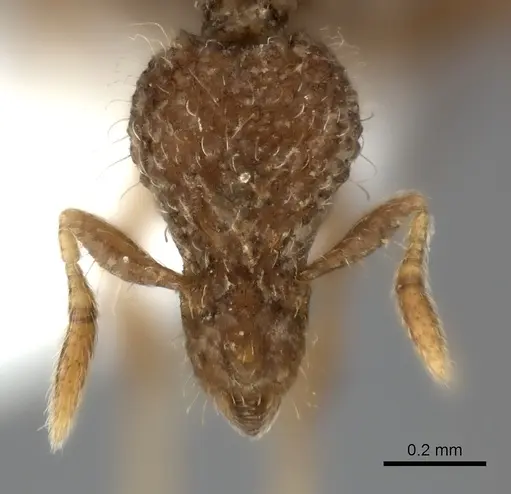
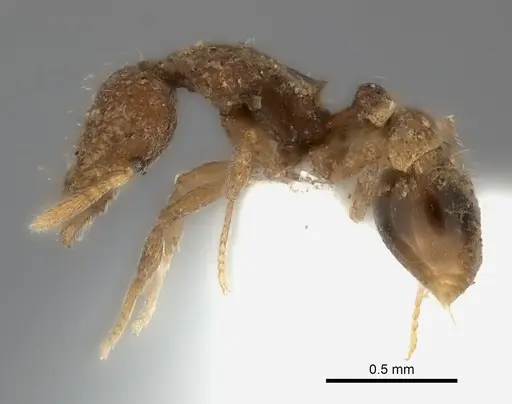
CASENT0178305
Visualizza su AntWeb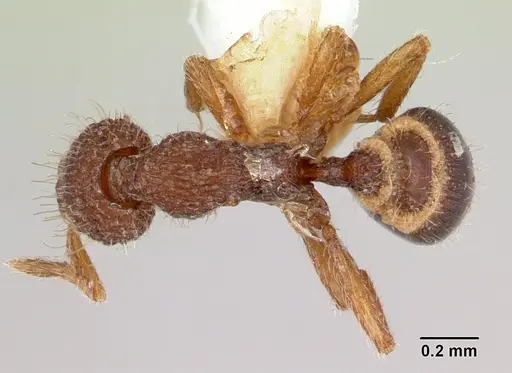
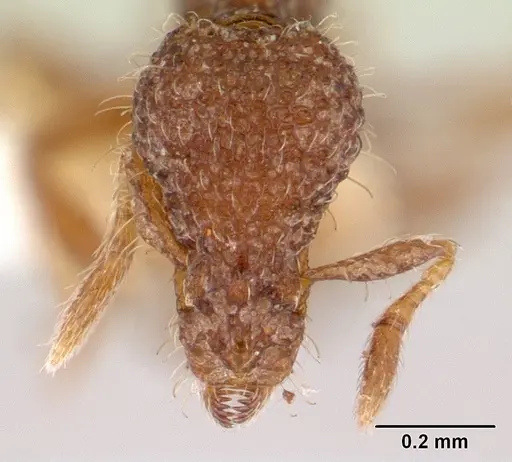
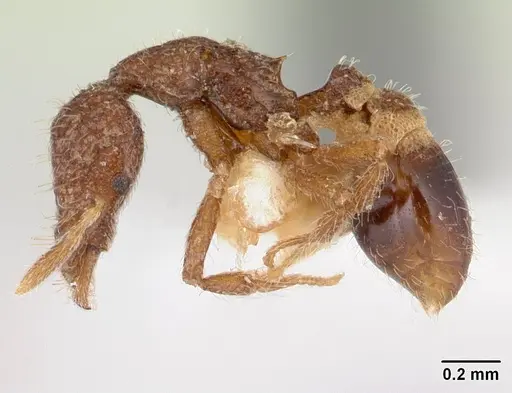
CASENT0217186
Visualizza su AntWeb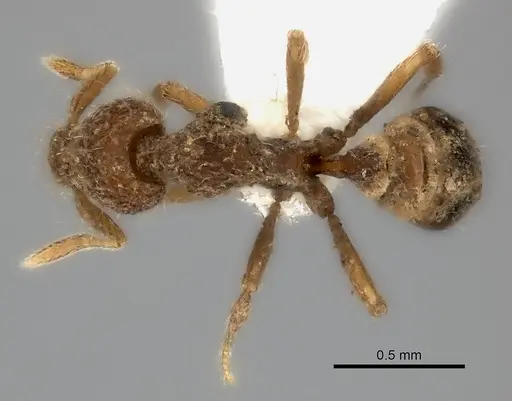
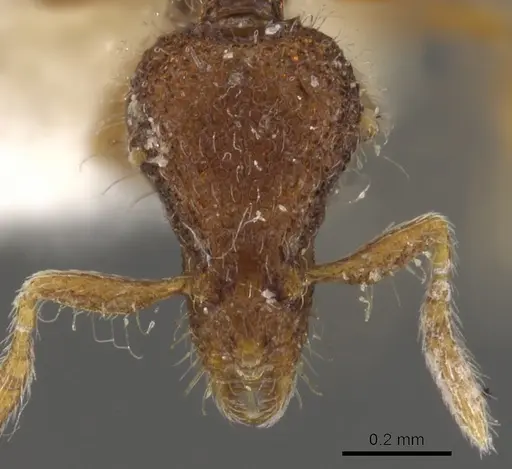
CASENT0900093
Visualizza su AntWeb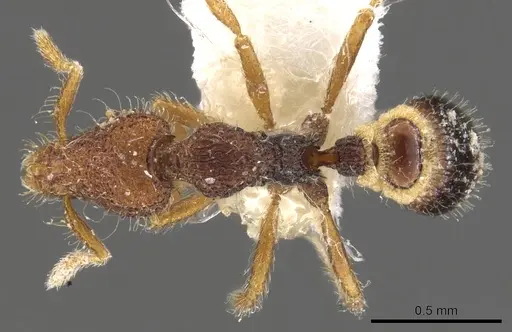
Letteratura
Caricamento mappa di distribuzione...Caricamento prodotti...