
Strumigenys aenigma
- Nom. sci.
- Strumigenys aenigma
- Tribù
- Attini
- Sottofamiglia
- Myrmicinae
- Autore
- Bolton, 2000
- Distribuzione
- Trovata in 0 paesi
Introduzione
Strumigenys aenigma is a small, predatory ant from the dacetine group, known for their specialized trap-jaw mandibles. These ants are recorded from New Caledonia, a tropical Pacific island . Very little specific biological data is available for this species; most information is inferred from better-known Strumigenys. Based on its genus, workers likely measure around 2-4 mm, with distinctive elongated mandibles that snap shut at extreme speed to capture tiny prey. Strumigenys are famous for hunting springtails, a niche that few other ants exploit. This species represents the diverse and often endemic ant fauna of New Caledonia.
Quick Summary
- Difficulty: Medium
- Origin & Habitat: Recorded from New Caledonia [1]. Its natural habitat is unconfirmed, but Strumigenys are commonly found in leaf litter and soil in humid forests.
- Colony Type: Unknown, no published studies confirm colony structure for this species. Most Strumigenys are believed to be monogyne (single queen), but this is speculative.
- Size & Growth:
- Queen: Size data unavailable, inferred from Strumigenys genus (~3-4 mm, but unconfirmed for this species).
- Worker: Size data unavailable, inferred from Strumigenys genus (~2-4 mm, but unconfirmed for this species).
- Colony: Unknown, related Strumigenys can have up to 100-200 workers, but this is not confirmed for S. aenigma.
- Growth: Likely Slow (inferred from specialized predatory lifestyle of dacetine ants)
- Development: Unknown, estimated 8-12 weeks based on genus patterns, but completely unconfirmed for this species. (Development is likely slow, but no specific data exists. Temperature and prey availability would affect timing.)
- Antkeeping:
- Temperature: Unknown, being from tropical New Caledonia, likely prefers warm temperatures (roughly 24-28 °C), but no exact data. Provide a temperature gradient and observe behavior.
- Humidity: Unknown, based on typical Strumigenys, likely requires high humidity (damp substrate). Keep nest substrate consistently moist but not waterlogged. No specific citation.
- Diapause: Likely no diapause (tropical species), but unconfirmed. Maintain stable temperatures year-round, do not attempt to hibernate.
- Nesting: Unknown, Strumigenys generally do well in setups with moist substrate (e.g., soil/peat mix) or in humid plaster/acrylic nests. Provide tight, dark chambers. Avoid acrylic nests, use Y‑tong, plaster, or soil nests.
- Behavior: No specific behavioral data. Strumigenys are generally docile, non‑aggressive, and rely on trap‑jaw mandibles for hunting, not defense. Escape risk is moderate due to tiny size (they can slip through very small gaps). Excellent escape prevention is essential.
- Common Issues: specialized diet, they likely require live tiny prey (springtails, fruit flies), and may starve on standard ant foods., high humidity requirements, poor ventilation can cause mold, substrate must stay damp but not waterlogged., slow colony growth, may test the patience of beginners, colonies take time to establish., small size, can escape through tiny cracks, use fine mesh (, lack of species‑specific knowledge, many care aspects are inferred, so keepers must observe and adapt.
Housing and Nest Setup
No published recommendations exist for Strumigenys aenigma. Based on other Strumigenys, a naturalistic setup with moist substrate (soil, peat, coco coir) and a layer of leaf litter works well. Alternatively, a plaster or Y‑tong nest with high humidity retention is suitable. The key is keeping the substrate consistently moist without flooding. Provide a water source (e.g., a water tube). A heating cable on one side creates a temperature gradient. Seal all gaps, these tiny ants can escape through the smallest openings.
Feeding and Diet
Strumigenys are specialized predators of springtails and other tiny soil arthropods. For Strumigenys aenigma, live springtails (Collembola) are the most likely natural prey. You can also offer fruit flies (Drosophila), booklice, and minute mites. Standard ant foods like honey, sugar water, or large insects are unlikely to be accepted. Feed 2-3 times per week and remove leftovers after 24 hours to prevent mold. There is no species‑specific data, so these recommendations are based on the wider genus.
Temperature and Heating
No precise temperature data for this species. Being from tropical New Caledonia, it likely needs warm conditions year‑round. A target of 24-28°C is a reasonable starting point, but you should monitor ant behavior and adjust. Provide a temperature gradient using a heating cable on one side. Avoid prolonged temperatures below 22°C. Stable, draft‑free conditions are important.
Behavior and Temperament
No published observations exist for Strumigenys aenigma. Based on the genus, workers are docile and non‑aggressive. Their trap‑jaw mandibles are used for hunting, not defense. They pose no threat to humans. Workers are cryptic and prefer to stay hidden. The biggest challenge is their tiny size, they can escape through very small gaps. Ensure escape prevention with fine mesh (≤0.5 mm) and sealed connections.
Colony Establishment and Growth
Founding behavior is unconfirmed for this species. Most Strumigenys queens are believed to be claustral (sealing themselves in a chamber and raising the first brood on stored reserves), but this is speculative. The first workers (nanitics) are likely smaller than later generations. Colony growth is probably slow. Do not disturb a founding queen, stress may cause brood cannibalism. Once workers emerge, provide live prey to support further brood development. Colony size at maturity is unknown but likely remains small (probably under 200 workers).
Frequently Asked Questions
What do Strumigenys aenigma ants eat?
Based on the genus, they are specialized predators that need live tiny prey. Springtails are the most likely natural food. You can also offer fruit flies, booklice, and minute mites. They will probably refuse honey, sugar water, or large insects.
How long does it take for Strumigenys aenigma to produce first workers?
There is no species‑specific data. Based on related Strumigenys, the egg‑to‑worker period is estimated at 8-12 weeks at warm temperatures (24-28°C). Development is slow.
Can I keep Strumigenys aenigma in a test tube?
A test tube setup can work for founding colonies if you maintain high humidity. However, a more naturalistic setup with moist substrate is better for established colonies. Monitor for mold in test tubes.
Are Strumigenys aenigma good for beginners?
Probably not. Their specialized diet (live tiny prey) and slow growth make them intermediate to advanced. Beginners may struggle, but they can be rewarding if you are prepared to provide suitable conditions.
What temperature do Strumigenys aenigma need?
No exact data. Likely 24-28°C, being from tropical New Caledonia. Provide a gradient and observe your ants. Avoid temperatures below 22°C.
How big do Strumigenys aenigma colonies get?
No species‑specific data. Related Strumigenys colonies typically reach up to 200 workers. This species likely stays modest in size.
Do Strumigenys aenigma need hibernation?
No, they are tropical and likely do not need hibernation. Keep warm year‑round. Do not attempt to give them a cold rest period.
Why are my Strumigenys aenigma dying?
Common causes include lack of live prey (starvation), low humidity, temperatures that are too cold, or stress from disturbance during founding. Parasites are also possible, especially in wild‑caught colonies. Without species‑specific data, careful observation is essential.
When should I move Strumigenys aenigma to a formicarium?
No data. Wait until the colony has at least 10-15 workers before considering a move. Ensure the new setup can maintain high humidity. Gentle patience is key.
Report an Issue
The current care sheet is based fully on literature. See inconsistencies, or something that's incorrect? Please , it will be resolved after review from an admin. Contributing to the blogs tab also helps providing information, to make us be able to further improve the caresheets. Thank you for your support!
References

Questa scheda di allevamento è concessa in licenza con CC BY-SA 4.0 .
Blog della comunità
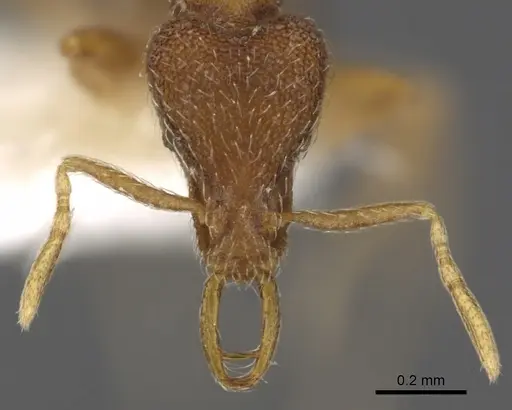
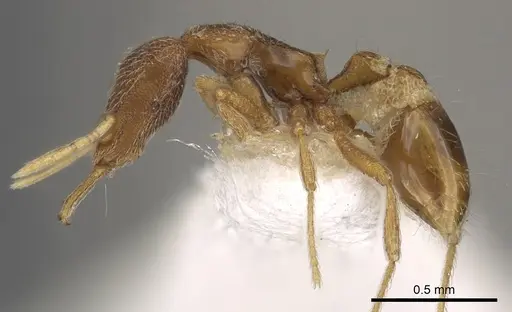
CASENT0900903
Visualizza su AntWeb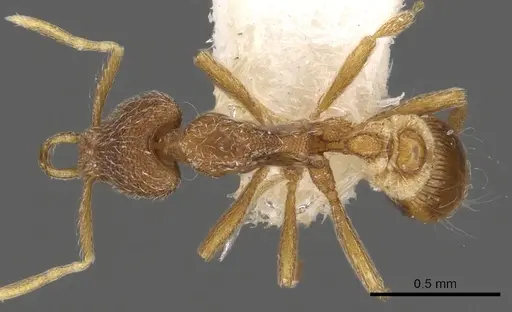
Letteratura
Caricamento mappa di distribuzione...Caricamento prodotti...