
Stictoponera laevior
- Nom. sci.
- Stictoponera laevior
- Tribù
- Ectatommini
- Sottofamiglia
- Ectatomminae
- Autore
- Forel, 1905
- Distribuzione
- Trovata in 0 paesi
Introduzione
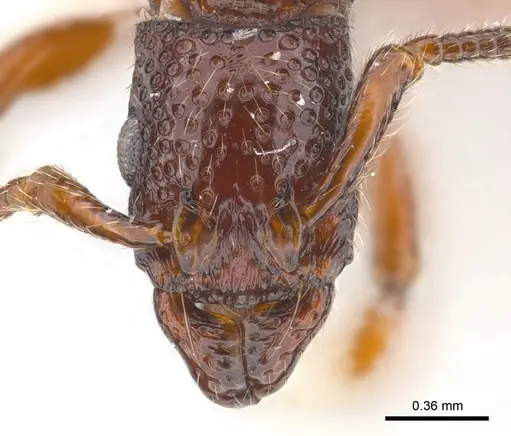
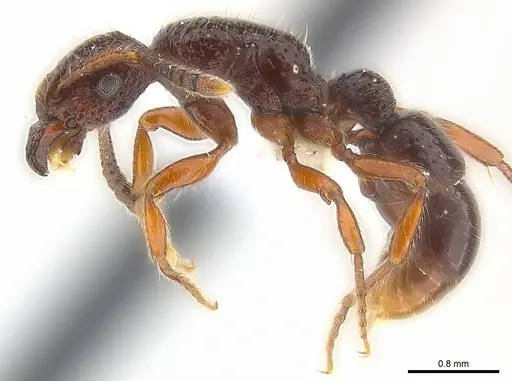
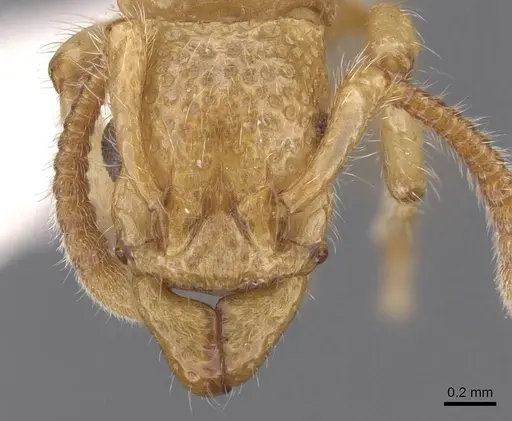
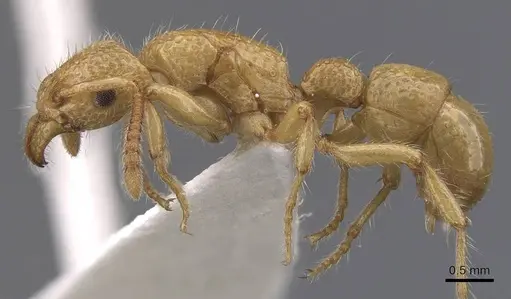
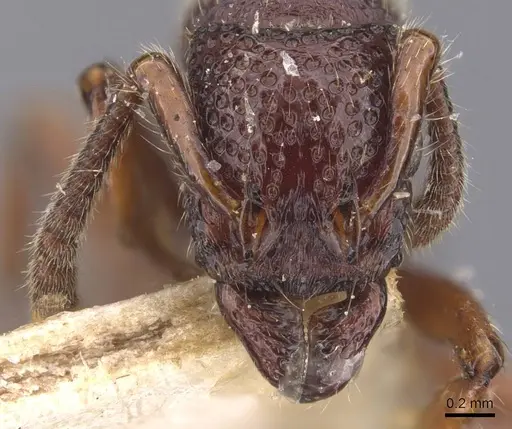
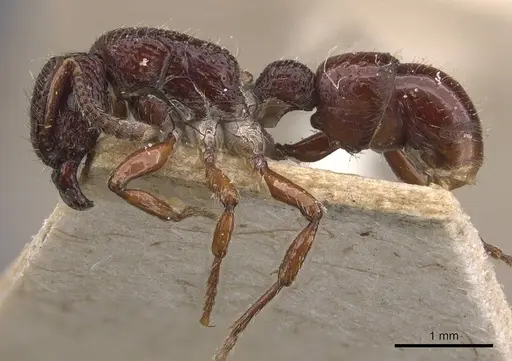
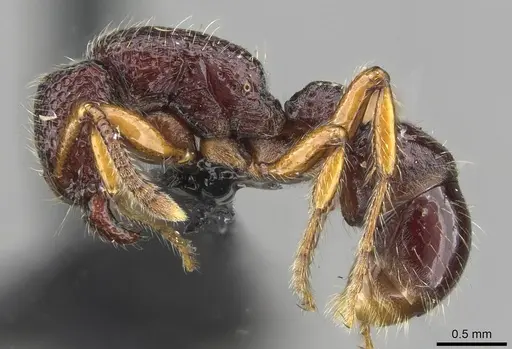
Stictoponera laevior is a small, slender ectatommine ant formerly classified as Gnamptogenys laevior. It is recognized by its strigulose to colliculate sculpturing on the fourth abdominal sternite, though this feature varies geographically - specimens from the Malay Peninsula, Greater Sundas, northern Borneo, and Sulawesi may lack these minute rounded elevations entirely . Despite having one of the widest distributions in the genus - ranging from Thailand eastwards through Borneo, Java, and the Philippines, crossing Wallace's Line to Sulawesi - remarkably little is known about this species in the wild .
Quick Summary
- Difficulty: Hard
- Origin & Habitat: Native to the Indomalaya region: Borneo, Indonesia (Java), Malaysia (Sabah), Philippines, and Sulawesi. Found in lowland wet forest environments [2][3][1].
- Colony Type: Unknown, colony structure has not been studied. Based on related species patterns, single-queen colonies are possible but not confirmed.
- Size & Growth:
- Queen: Size data unavailable, no total length measurements have been published.
- Worker: Size data unavailable, no total length measurements have been published.
- Colony: Unknown, no colony size data available.
- Growth: Unknown
- Development: Unknown, no direct study available. (No data exists on development time for this species.)
- Antkeeping:
- Temperature: Based on its tropical lowland forest origin, keep warm and stable, roughly 24-28°C. Provide a temperature gradient so the ants can self-regulate. Room temperature in tropical climates may be sufficient.
- Humidity: High humidity is critical. Keep the nest substrate consistently moist but not waterlogged. Use regular misting or a moisture reservoir to maintain damp conditions.
- Diapause: Unknown, as a tropical species, it likely does not require true diapause, but may show reduced activity during cooler periods.
- Nesting: Likely nests in rotting wood or soil in forest habitats. In captivity, use a moist plaster nest, test tube setup, or naturalistic formicarium with damp substrate. Prefers tight, enclosed spaces.
- Behavior: This species belongs to the subfamily Ectatomminae, which possesses a functional stinger. Handle with caution and avoid provoking the colony. Workers are small but active foragers. Escape prevention is critical due to their small size, use fine mesh barriers. Temperament is likely defensive when disturbed.
- Common Issues: lack of captive care information makes proper husbandry challenging, tropical humidity requirements can be difficult to maintain consistently, small size makes escape prevention critical, predatory diet may be difficult to satisfy with appropriate live prey, stinger can cause painful sting, handle with care
Identification and Variation
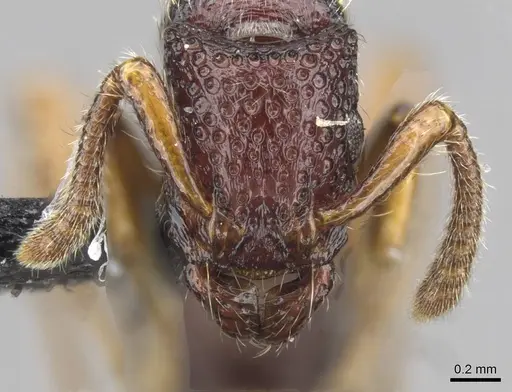
Stictoponera laevior is highly variable in both size and sculptural features across its range. The most reliable identification character is the strigulose to colliculate sculpturing on the fourth abdominal sternite, this distinguishes it from other members of the laevior group which typically have smooth sculpturing with scattered foveolae [1]. However, specimens from the Malay Peninsula, Greater Sundas, northern Borneo, and Sulawesi can completely lack these minute rounded elevations [1]. Specimens from Luzon Island have smaller and more dispersed cephalic foveolae with finer strigulae on the clypeus, while specimens from the Philippines have a more evenly convex anterior clypeal margin [1]. This variation means captive specimens may not exactly match museum descriptions.
Distribution and Biogeography
This species has one of the widest distributions in the genus, ranging from Thailand eastwards until Wallace's Line, the biogeographic boundary separating Asian and Australasian fauna. It is one of only two species (along with chapmani) whose distribution encompasses more than one biogeographic region [2]. The species is found in Borneo, Java, the Malay Peninsula, the Philippines, and notably on Sulawesi, which is east of Wallace's Line, the only record of the genus east of the Makassar Straits [2]. The type locality is Tjibodas in Java, Indonesia, collected in 1904 by K. Kraepelin [1]. The species has also been recorded from lowland wet forest in Sri Lanka, though this record requires verification as it lies far outside the known range [3].
Feeding and Diet
As a member of Ectatomminae, Stictoponera laevior is likely a predatory ant that hunts small invertebrates. Related species in the genus are known predators that capture and subdue prey using their stingers. In captivity, offer small live prey such as springtails, fruit flies, and other tiny arthropods. Prey items should be very small, no larger than the ant itself. Sugar sources may be accepted occasionally, but protein from live prey should form the primary diet. Feed small amounts every few days and remove uneaten prey to prevent mold.
Temperature and Care
Based on its origin in tropical lowland forests of Southeast Asia, this species requires warm and humid conditions. Aim for temperatures in the 24-28°C range, with a slight gradient allowing workers to choose their preferred zone. Room temperature may be suitable if your home stays in this range, otherwise use a heating cable on one side of the nest. Humidity is critical, maintain consistently damp substrate without flooding. Use a moisture reservoir or regular light misting to keep conditions humid. Avoid both stagnant air (which promotes mold) and excessive airflow (which dries the nest). Since this species has a functional stinger, handle gently and avoid provoking them.
Nesting Preferences
In the wild, Stictoponera species typically nest in rotting wood, under stones, or in soil in forested areas. For captive care, a moist plaster nest or a naturalistic setup with damp soil works well. The chambers should be appropriately scaled to their small size, tight passages rather than large open spaces. Keep the nest material consistently moist but not waterlogged. A test tube setup with a water reservoir can work for founding colonies, but established colonies may benefit from a more spacious formicarium with multiple chambers.
Known Research and Glandular Anatomy
One scientific study examined the subepithelial gland in this species (then classified as Stictoponera laevior), finding this particular ant lacks this novel exocrine gland that is closely associated with the cuticle surface in some other ant species [4][5]. The study specimens originated from Malaysia [4]. The larvae have been described in Wheeler and Wheeler (1952) as Stictoponera sp., providing some insight into early development though detailed study is limited [1].
Frequently Asked Questions
How long does it take for Stictoponera laevior to go from egg to worker?
The development timeline has not been directly studied for this species. No estimate can be given with confidence.
Do Stictoponera laevior ants sting?
Yes. As members of the Ectatomminae subfamily, they have a functional stinger. While not among the most dangerous ants, their sting can cause pain and irritation. Handle with care and avoid provoking the colony.
What do Stictoponera laevior ants eat?
They are likely predatory like other Ectatomminae. Offer small live prey such as springtails, fruit flies, and tiny arthropods. Sugar water may be accepted occasionally but protein should form the primary diet.
Are Stictoponera laevior good for beginners?
This species is not recommended for beginners. Very little is known about its specific care requirements, and it has specialized humidity and temperature needs typical of tropical lowland forest ants. The lack of captive breeding information makes husbandry challenging.
How big do Stictoponera laevior colonies get?
Colony size is not documented in scientific literature. No estimate can be given.
Do Stictoponera laevior need hibernation?
Probably not. As a tropical species from lowland forests in Southeast Asia, they likely do not require a true diapause period. They may show reduced activity during cooler periods but do not need cold treatment.
Can I keep multiple queens together?
Colony structure is unconfirmed for this species. There is no data on whether multiple queens can be kept together. Based on related species patterns, single-queen colonies are most likely, but this is not confirmed.
What humidity do Stictoponera laevior need?
High humidity is essential, this is a lowland wet forest species. Keep the nest substrate consistently moist but not waterlogged. The substrate should feel damp to the touch.
When should I move Stictoponera laevior to a formicarium?
Start with a test tube setup for the founding queen. Once the colony reaches a moderate size and the test tube shows signs of drying or overcrowding, you can move them to a more spacious formicarium. However, specific worker counts for when to move are not available.
Why is so little known about Stictoponera laevior care?
Despite having one of the widest distributions in the genus, this species has received very little scientific attention. Most research has focused on taxonomy and morphology rather than biology or behavior. This makes captive husbandry largely experimental.
Report an Issue
The current care sheet is based fully on literature. See inconsistencies, or something that's incorrect? Please , it will be resolved after review from an admin. Contributing to the blogs tab also helps providing information, to make us be able to further improve the caresheets. Thank you for your support!
References

Questa scheda di allevamento è concessa in licenza con CC BY-SA 4.0 .
Blog della comunità
CASENT0179966
Visualizza su AntWeb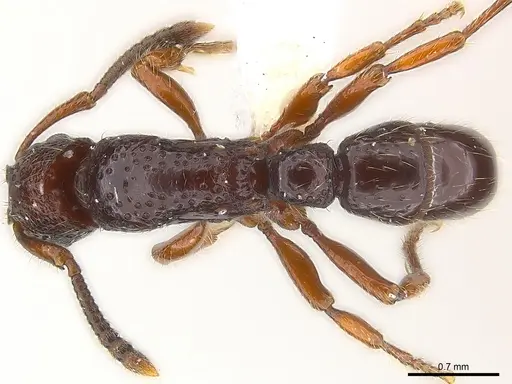
CASENT0907199
Visualizza su AntWeb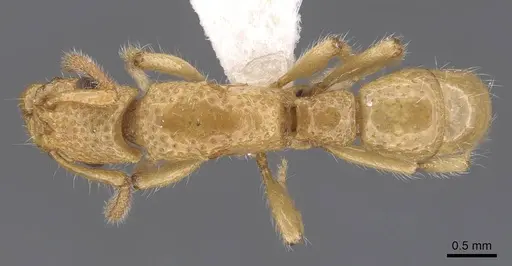
CASENT0907200
Visualizza su AntWeb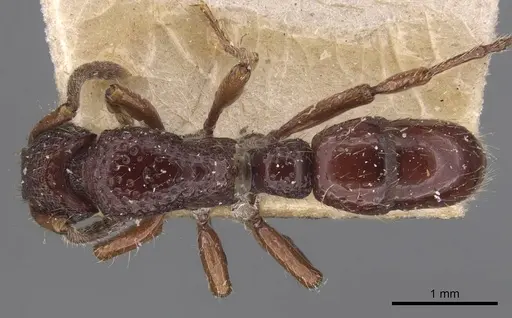
CASENT0911165
Visualizza su AntWeb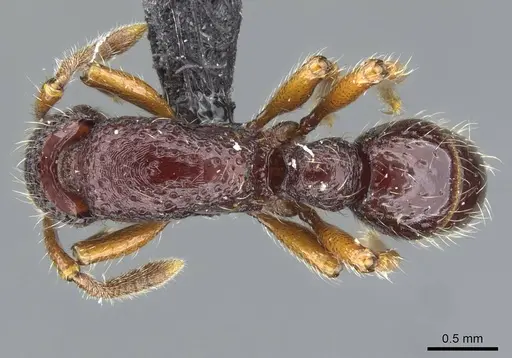
Letteratura
Caricamento mappa di distribuzione...Caricamento prodotti...