
Prenolepis darlena
- Nom. sci.
- Prenolepis darlena
- Tribù
- Lasiini
- Sottofamiglia
- Formicinae
- Autore
- Williams & LaPolla, 2016
- Distribuzione
- Trovata in 0 paesi
Introduzione
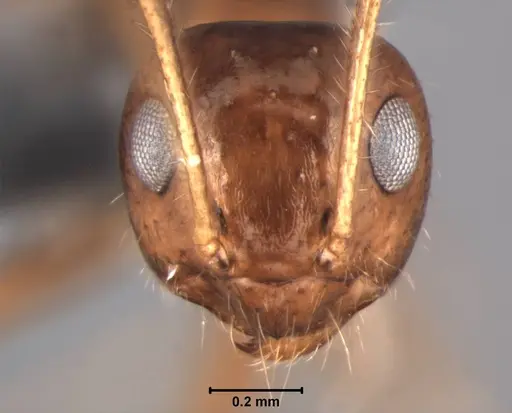
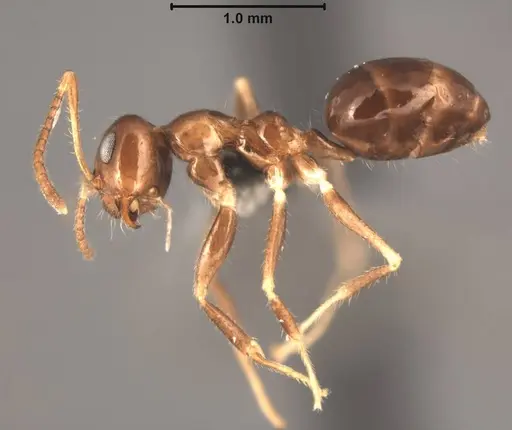
Prenolepis darlena is a tiny ant species described in 2016,native to highland forests in Nepal and Thailand. Workers measure 2.6-3.1 mm in total length and are uniformly light brown, with a square-shaped head, three small ocelli on top, and long erect hairs on the antennae scapes. The petiole is low, narrow, and elongated, giving a unique silhouette. This species is part of a group of high-elevation Prenolepis adapted to cooler mountain forests in South and Southeast Asia . Almost nothing is known about its biology in captivity. It is found in Schima-Castanopsis forests at about 1100 m elevation in Nepal, suggesting cool, damp, shaded conditions. Founding behavior is unconfirmed .
Quick Summary
- Difficulty: Medium
- Origin & Habitat: Nepal and Thailand, high elevation Schima-Castanopsis forest at approximately 1100 m [2][4]
- Colony Type: Unconfirmed, likely monogyne (single queen) based on genus patterns
- Size & Growth:
- Antkeeping:
- Temperature: Cool conditions, aim for 18-22°C based on high elevation habitat. Avoid overheating [3]
- Humidity: Keep substrate consistently moist but not waterlogged, based on forest floor habitat [2]
- Diapause: Unknown, high elevation species may require winter rest, but unconfirmed
- Nesting: Ground-nesting species, likely prefers soil-based nests or test tubes with moist substrate [2]
- Behavior: Behavior unstudied in captivity. Based on genus patterns, likely docile and non-aggressive. Tiny size (under 3 mm) means escape prevention is critical, they can squeeze through standard mesh. Workers likely forage on ground for small prey and honeydew [1]
- Common Issues: tiny size makes escape prevention critical, use fine mesh and tight-fitting lids, no captive care data exists, this is a newly described species with unknown requirements, high elevation origin means they likely need cooler temperatures than typical room temperature, slow growth potential could frustrate beginners expecting rapid colony development, humidity needs are unconfirmed, start with moderate moisture and observe
Discovery and Taxonomy
Prenolepis darlena was described in 2016 by Williams and LaPolla from specimens in Nepal. It belongs to the Formicinae subfamily and Lasiini tribe. This species is part of a group of high-elevation Prenolepis in the Himalayan region, including P. rinpoche and others, adapted to cooler mountain forests [1][3][2].
Identification and Appearance
Workers are tiny at 2.6-3.1 mm total length, uniformly light brown. The head is roughly square with a straight posterior margin, and three small ocelli are present. Compound eyes are moderately large but do not extend beyond the head sides. Antennae scapes have erect setae, and the petiole is low, narrow, and elongated with a rounded dorsal apex [1].
Natural Habitat
In the wild, Prenolepis darlena is found in Schima-Castanopsis forests in Nepal at about 1100 m elevation, and also in Thailand. These forests are cool, shaded, and humid, with ground-nesting behavior suggested by collection methods [2][4].
Housing and Nesting
Start with a test tube setup with moist cotton. Keep temperatures cool (18-22°C) and avoid direct sunlight. Use soil or sand substrate to mimic forest floor. Because workers are tiny, ensure tight seals to prevent escapes. Add a small outworld for foraging [3][2].
Feeding and Diet
Diet is unstudied. Offer sugar water or honey for energy, and small protein like fruit flies or pinhead crickets. Remove uneaten food after 24-48 hours. Start with small portions and observe acceptance [5].
Temperature and Seasonal Care
Aim for 18-22°C based on high elevation habitat. Avoid heating mats. Winter diapause may be needed, but unconfirmed, monitor colony activity [3][2].
Frequently Asked Questions
How long does it take for Prenolepis darlena to produce first workers?
Exact timeline unknown. Based on typical Formicinae development, estimated 8-12 weeks at room temperature. Queens likely seal themselves in during founding [5].
What temperature do Prenolepis darlena ants need?
Keep them cool at 18-22°C based on their high-elevation habitat. Avoid heating mats and direct sunlight [3].
How big do Prenolepis darlena colonies get?
Colony size is unconfirmed. No data on maximum size available.
Can I keep Prenolepis darlena in a test tube?
Yes, for founding colonies. Use a test tube with water reservoir and moist cotton. Ensure tight plugs to prevent escapes due to tiny size.
What do Prenolepis darlena ants eat?
Diet unstudied. Offer sugar water and small protein like fruit flies. Remove uneaten food after 24-48 hours [5].
Is Prenolepis darlena good for beginners?
Not recommended for beginners. No captive care history, tiny size requires excellent escape prevention, and cool temperature needs may be challenging.
Do Prenolepis darlena need hibernation?
Unknown, high elevation origin suggests possible winter rest, but unconfirmed. Monitor colony behavior.
Where is Prenolepis darlena found in the wild?
Native to highlands of Nepal and Thailand, in Schima-Castanopsis forests at about 1100 m elevation [2][4].
Why are my Prenolepis darlena dying?
Common issues include temperatures too warm, escapes due to tiny size, substrate too dry, or stress from unknown dietary needs. Review temperature, humidity, and provide a quiet location.
Report an Issue
The current care sheet is based fully on literature. See inconsistencies, or something that's incorrect? Please , it will be resolved after review from an admin. Contributing to the blogs tab also helps providing information, to make us be able to further improve the caresheets. Thank you for your support!
References

Questa scheda di allevamento è concessa in licenza con CC BY-SA 4.0 .
Blog della comunità
USNMENT00755129
Visualizza su AntWeb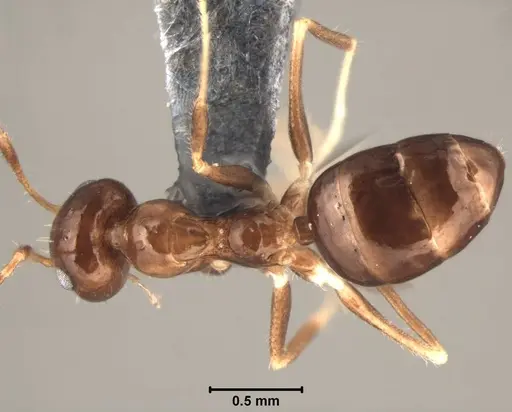
Letteratura
Caricamento mappa di distribuzione...Caricamento prodotti...