
Polyrhachis tschu
- Nom. sci.
- Polyrhachis tschu
- Sottogenere
- Myrmhopla
- Tribù
- Camponotini
- Sottofamiglia
- Formicinae
- Autore
- Forel, 1879
- Distribuzione
- Trovata in 0 paesi
Introduzione
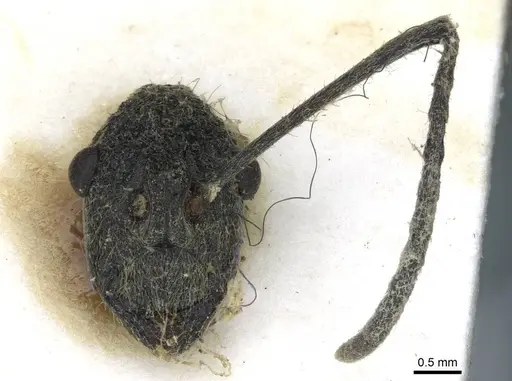
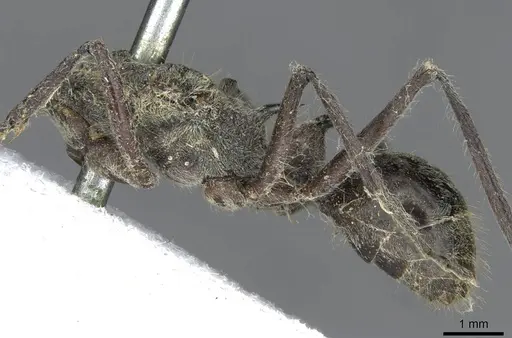
Polyrhachis tschu is an ant species native to China . It belongs to the Formicinae subfamily and Camponotini tribe, which lack a functional sting and instead use formic acid spray for defense. Specific physical characteristics and habitat details are not available from current research. Due to limited research on this species, much of its biology is unknown. Antkeepers should approach care with caution and rely on general Polyrhachis genus patterns for guidance.
Quick Summary
- Difficulty: Medium
- Origin & Habitat: China [1]
- Colony Type: Unconfirmed, no specific data on queen number or social structure.
- Size & Growth:
- Queen: size data unavailable
- Worker: size data unavailable
- Colony: Unknown, no data on colony size
- Growth: Unknown
- Development: Unknown (No data available)
- Antkeeping:
- Temperature: Unknown
- Humidity: Unknown
- Diapause: Unknown
- Nesting: Unknown
- Behavior: Temperament, aggression, and escape risk are unknown for this species.
Defense Mechanism
Polyrhachis tschu belongs to the Formicinae subfamily and Camponotini tribe. Like other Formicinae, it lacks a sting and instead uses formic acid spray for defense. The ant bites and sprays formic acid from an acidopore into the wound.
General Care Guidelines
Due to limited research on Polyrhachis tschu, specific care requirements are unknown. Based on typical Polyrhachis genus patterns, maintain temperatures around 24-28°C, moderate to high humidity, and provide a diapause period during winter. However, these are inferences and may not apply to this species. Provide a nest with climbing surfaces and vertical space, as Polyrhachis species are often arboreal.
Frequently Asked Questions
How long does it take for Polyrhachis tschu to have first workers?
Unknown, no data on development timeline for this species. Based on related Polyrhachis species, it may take several months, but this is an inference.
Can I keep multiple Polyrhachis tschu queens together?
Unknown, no data on colony structure. Based on genus patterns, Polyrhachis are typically monogyne, but this is not confirmed for this species.
What temperature do Polyrhachis tschu ants need?
Unknown, specific requirements not available. Maintain at room temperature with a gradient if possible.
Do Polyrhachis tschu need hibernation?
Unknown, based on geographic range, diapause may be required, but no specific data.
Are Polyrhachis tschu good for beginners?
Unknown, with limited data, difficulty is rated medium, but beginners should be cautious.
What do I feed Polyrhachis tschu ants?
Unknown, no dietary data. Based on genus patterns, offer sugar water and protein, but this is an inference.
When should I move Polyrhachis tschu to a formicarium?
Unknown, no data on colony size or growth. Wait until colony is established, but specific numbers are not available.
Why is my Polyrhachis tschu colony declining?
Common causes include improper humidity, temperature, or hibernation, but specific risks for this species are unknown.
How big do Polyrhachis tschu colonies get?
Unknown, no data on colony size.
Report an Issue
The current care sheet is based fully on literature. See inconsistencies, or something that's incorrect? Please , it will be resolved after review from an admin. Contributing to the blogs tab also helps providing information, to make us be able to further improve the caresheets. Thank you for your support!
References

Questa scheda di allevamento è concessa in licenza con CC BY-SA 4.0 .
Blog della comunità
CASENT0910855
Visualizza su AntWeb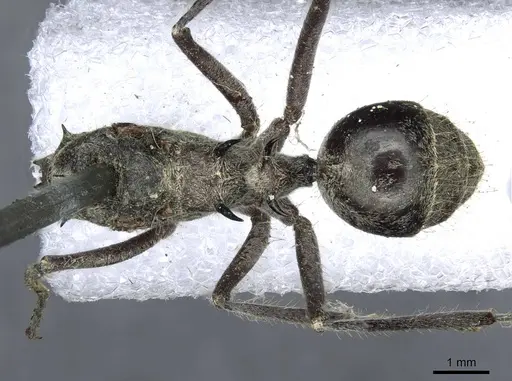
Letteratura
Caricamento mappa di distribuzione...Caricamento prodotti...