
Polyrhachis pubescens
- Nom. sci.
- Polyrhachis pubescens
- Sottogenere
- Myrma
- Tribù
- Camponotini
- Sottofamiglia
- Formicinae
- Autore
- Mayr, 1879
- Distribuzione
- Trovata in 0 paesi
Introduzione
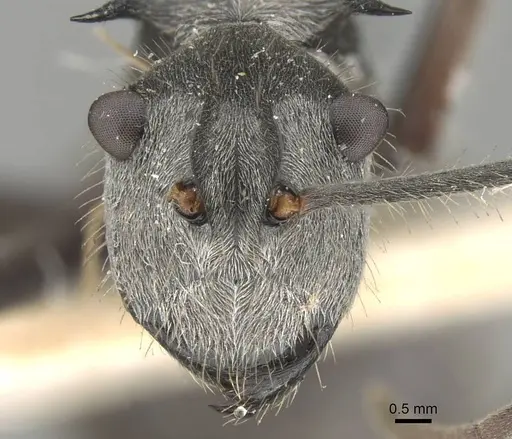
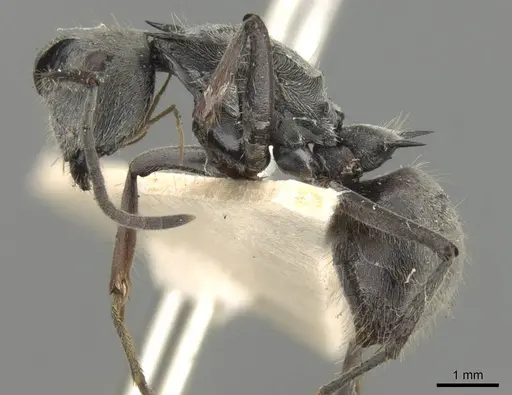
Polyrhachis pubescens is a medium-sized ant species found in South and Southeast Asia, including India, Myanmar, Thailand, West Malaysia, Borneo, and the Philippines. Workers measure 6.05-7.31 mm and queens 7.61-7.71 mm, with dense silvery-grey to golden pubescence that often hides their body sculpturation . They nest in rotting wood, a trait known as lignicolous . The species name 'pubescens' means hairy, referring to its dense pubescence. Unlike some Formicinae, they spin cocoons for their pupae, which is common in the subgenus Myrma .
Quick Summary
- Difficulty: Medium
- Origin & Habitat: Tropical and subtropical Asia, from India to the Philippines and southern China. They naturally nest in rotting wood in forested areas [3][1][4].
- Colony Type: Based on Polyrhachis patterns, likely monogyne (single queen colonies).
- Size & Growth:
- Antkeeping:
- Temperature: Keep at 24-28°C, they are a tropical species that thrives in warm conditions.
- Humidity: Keep nest substrate consistently moist but not waterlogged, as they are lignicolous nesters.
- Diapause: Unknown, no data on hibernation, as a tropical species, they likely do not require diapause.
- Nesting: Best in wood-based nests like Y-tong (AAC) or plaster with wood inserts, as they are lignicolous [3][4].
- Behavior: Polyrhachis pubescens is generally calm and non-aggressive. Workers are moderately active foragers. They lack a sting and spray formic acid as a defense mechanism, typical of Formicinae. Escape risk is moderate due to medium size, use standard prevention like fluon barriers.
- Common Issues: high humidity can cause mold if ventilation is poor, balance moisture with airflow, wood-nesting requires appropriate materials, avoid soil-based setups, tropical species are sensitive to cold, keep above 20°C, cocoon-spinning may need extra space during pupal development, wild-caught colonies may carry parasites, monitor for issues
Nest Preferences and Housing
Polyrhachis pubescens is lignicolous, meaning it nests in rotting wood. In captivity, use wood-based nests like Y-tong (AAC) or plaster with wood inserts. Provide damp but not waterlogged nest material. A small water reservoir helps maintain humidity. Test tubes work for founding colonies, but upgrade to proper nests once workers emerge [3][4].
Feeding and Diet
Offer a varied diet: sugar sources like honey water constantly, and protein like fruit flies or small crickets 2-3 times per week. Remove uneaten prey after 24-48 hours [5].
Temperature and Seasonal Care
Keep at 24-28°C with a slight heat gradient. As a tropical species, they do not require hibernation, but a slight temperature reduction in winter is acceptable if room cools.
Behavior and Colony Dynamics
Workers are calm and non-aggressive. They spray formic acid for defense, as typical of Formicinae. They spin cocoons for pupae, which is normal for Myrma subgenus [4]. Escape prevention is important due to medium size.
Growth and Development
First workers likely emerge in 6-8 weeks at optimal temperature. Development is inferred from related species, as no direct data exists for P. pubescens.
Frequently Asked Questions
How long until first workers appear?
Expect first workers in about 6-8 weeks at 26°C, based on typical Polyrhachis development.
What do they eat?
Sugar water or honey constantly, and protein like small insects 2-3 times per week [5].
Do they need hibernation?
Unknown, but as a tropical species, they likely do not require diapause.
Are they good for beginners?
Medium difficulty due to specific housing and humidity needs.
How big do colonies get?
Colony size is unknown, no data available.
Can I keep multiple queens?
Colony type is unconfirmed, but based on Polyrhachis patterns, they are likely monogyne, so multiple queens may fight.
Why do they have white cocoons?
This is normal, they spin cocoons for pupae, common in Myrma subgenus [4].
What temperature is ideal?
24-28°C, with a heat gradient.
When to move to a formicarium?
Upgrade from test tubes to wood-based nests once workers emerge, around 20-30 workers.
Why are ants dying?
Common causes: temperatures below 20°C, low humidity, mold from poor ventilation, or stress.
Report an Issue
The current care sheet is based fully on literature. See inconsistencies, or something that's incorrect? Please , it will be resolved after review from an admin. Contributing to the blogs tab also helps providing information, to make us be able to further improve the caresheets. Thank you for your support!
References

Questa scheda di allevamento è concessa in licenza con CC BY-SA 4.0 .
Blog della comunità
CASENT0906795
Visualizza su AntWeb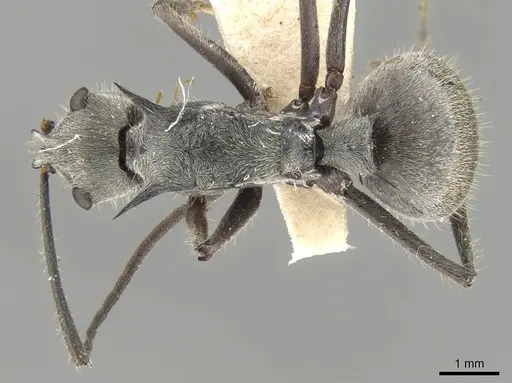
Letteratura
Caricamento mappa di distribuzione...Caricamento prodotti...