
Polyrhachis modesta
- Nom. sci.
- Polyrhachis modesta
- Sottogenere
- Myrmhopla
- Tribù
- Camponotini
- Sottofamiglia
- Formicinae
- Autore
- Smith, 1857
- Distribuzione
- Trovata in 0 paesi
Introduzione
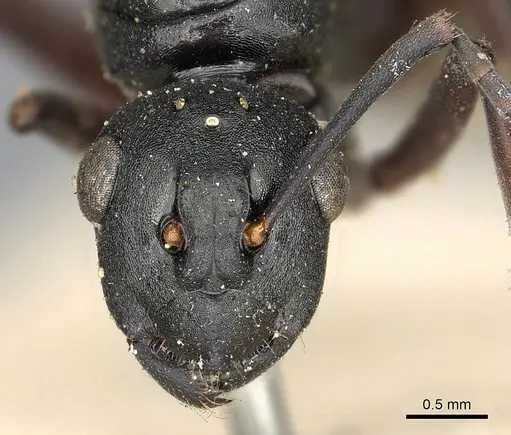
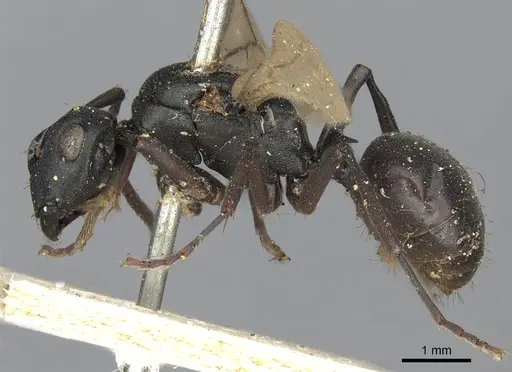
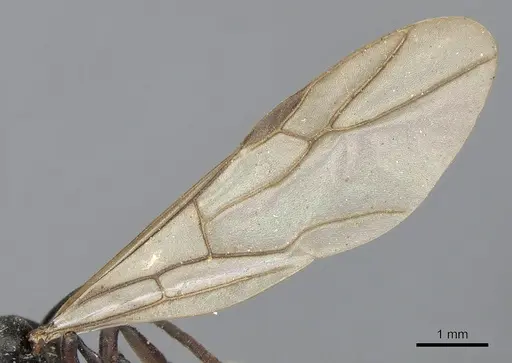
Polyrhachis modesta is a small ant species native to Southeast Asia, described from Singapore in 1857. Queens measure approximately 6.35 mm in total length . The species is found in Singapore and the Philippines and inhabits tropical forested areas, often nesting in trees, under bark, or in hollow twigs . They belong to the subgenus Chariomyrma and have a relatively modest, less spiny morphology compared to other Polyrhachis species. This species is arboreal or semi-arboreal, using formic acid spray for defense as typical for Formicinae, lacking a functional sting. Their nesting habits in elevated locations make them interesting for arboreal antkeeping setups.
Quick Summary
- Difficulty: Medium
- Origin & Habitat: Native to Southeast Asia, specifically Singapore and the Philippines, found in tropical forested areas where they nest in trees or under bark [2][3].
- Colony Type: Colony structure is unconfirmed, no specific data on queen number or social structure is available from the research.
- Size & Growth:
- Queen: Approximately 6.35 mm (total length) [1].
- Worker: Size data unavailable for this species, based on Polyrhachis genus patterns, workers are typically around 4-6 mm, but direct measurements are not documented.
- Colony: Size data unavailable for this species, no maximum colony size is recorded in the research.
- Growth: Moderate, inferred from tropical ant development patterns.
- Development: Estimated 6-8 weeks at optimal temperatures (24-28°C), based on genus patterns for similar Polyrhachis species. (Development time is estimated, direct observations for P. modesta are not available in the research.)
- Antkeeping:
- Temperature: Keep warm and stable, roughly 24-28°C, as a tropical species.
- Humidity: Keep the nest substrate consistently moist but not waterlogged, as arboreal ants prefer humid forest conditions [3].
- Diapause: No diapause required, as a tropical species, they do not need hibernation.
- Nesting: Arboreal nesting preferences, provide vertical or enclosed chambers like Y-tong nests or naturalistic setups with bark or twigs [3].
- Behavior: Generally calm and non-aggressive, workers are active foragers during daylight hours. Escape risk is moderate due to small size, so enclosures must be secure. They use formic acid spray for defense but do not sting.
- Common Issues: high humidity requirements can lead to mold if ventilation is inadequate., temperatures below 22°C may slow colony development., small size increases escape risk, ensure enclosures are secure., wild-caught colonies may harbor parasites., slow initial growth during founding can lead to overhandling by keepers.
Housing and Nest Preferences
Polyrhachis modesta is an arboreal species that naturally nests in elevated locations like trees or under bark [3]. In captivity, use Y-tong nests or naturalistic setups with cork bark or twigs to provide tight, enclosed chambers. Ensure all connections are appropriately sized to prevent escapes due to their small size. Test tube setups work for founding colonies, but move to a larger nest once the colony grows [3].
Feeding and Diet
This species is omnivorous, feeding on honeydew, nectar, and small insects in nature. In captivity, provide constant sugar water or honey, and protein sources like fruit flies or pinhead crickets 2-3 times per week. Remove uneaten prey to prevent mold.
Temperature and Humidity
As a tropical species, maintain temperatures between 24-28°C with a slight gradient. Humidity should be kept high by keeping the nest substrate moist but not waterlogged, with adequate ventilation to prevent mold [3].
Colony Development and Growth
Colony growth follows typical Formicinae patterns. After founding, the queen lays eggs that develop into workers over an estimated 6-8 weeks at optimal temperatures. Growth is moderate, and patience is needed as colonies may take time to establish. Do not disturb the queen during founding to avoid abandonment.
Behavior and Temperament
Workers are calm and non-aggressive, active during daylight hours. They use formic acid spray for defense but do not sting. Their small size makes escape prevention crucial, and they are curious explorers.
Frequently Asked Questions
How long does it take for Polyrhachis modesta to produce first workers?
At optimal temperatures (24-28°C), first workers are estimated to emerge in 6-8 weeks, based on genus patterns for similar species.
What do Polyrhachis modesta ants eat?
They are omnivorous, provide sugar sources like honey water and protein such as fruit flies or pinhead crickets 2-3 times weekly.
What temperature do Polyrhachis modesta ants need?
Keep them at 24-28°C, as they are tropical ants that do not tolerate cool temperatures well.
Can I keep Polyrhachis modesta in a test tube?
Yes, test tubes work for founding colonies, but move to a Y-tong or naturalistic nest once the colony grows [3].
Do Polyrhachis modesta need hibernation?
No, as a tropical species, they do not require diapause or hibernation.
How big do Polyrhachis modesta colonies get?
Colony size data is unavailable for this species, no maximum size is recorded in the research.
Are Polyrhachis modesta good for beginners?
They are rated as medium difficulty due to humidity and temperature requirements, so some experience is recommended.
Why are my Polyrhachis modesta dying?
Common causes include temperatures below 22°C, inadequate humidity, poor ventilation causing mold, or stress from disturbance. Ensure stable conditions.
When should I move my Polyrhachis modesta to a formicarium?
Move them once the test tube becomes cramped, typically when the colony has several workers, to a Y-tong or arboreal nest [3].
Report an Issue
The current care sheet is based fully on literature. See inconsistencies, or something that's incorrect? Please , it will be resolved after review from an admin. Contributing to the blogs tab also helps providing information, to make us be able to further improve the caresheets. Thank you for your support!
References

Questa scheda di allevamento è concessa in licenza con CC BY-SA 4.0 .
Blog della comunità
CASENT0901853
Visualizza su AntWeb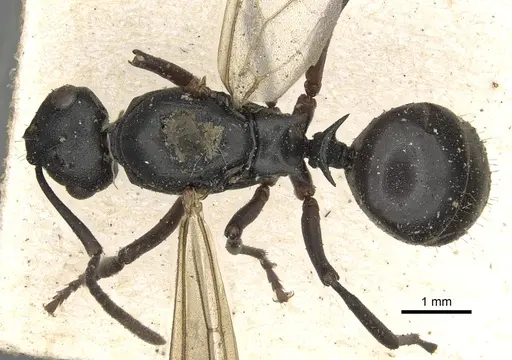
Letteratura
Caricamento mappa di distribuzione...Caricamento prodotti...