
Polyrhachis incognita
- Nom. sci.
- Polyrhachis incognita
- Sottogenere
- Myrmothrinax
- Tribù
- Camponotini
- Sottofamiglia
- Formicinae
- Autore
- Kohout, 2008
- Distribuzione
- Trovata in 0 paesi
Introduzione
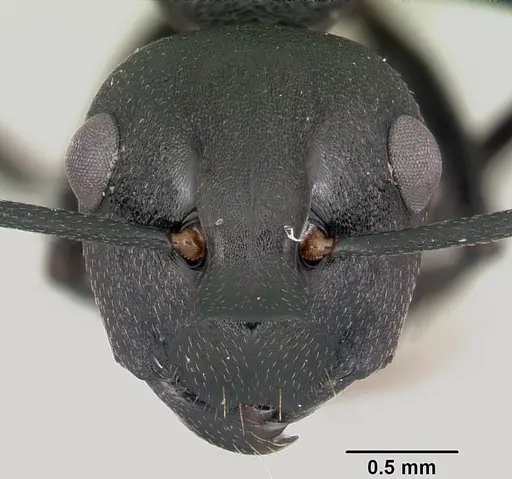
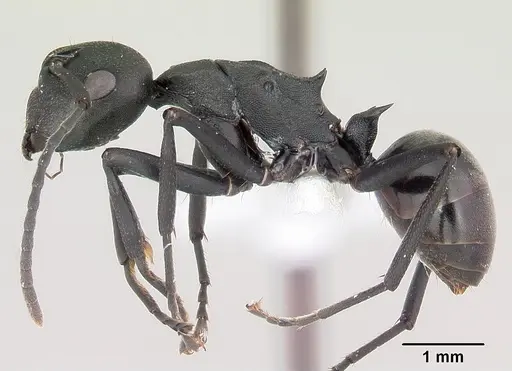
Polyrhachis incognita is a medium-sized arboreal ant native to Sulawesi, Indonesia. Workers measure approximately 6.65-7.61 mm in total length , with a black body and dark reddish-brown legs and gaster. They are identifiable by a deep V-shaped notch on the clypeus, a flat pronotum, and three spines on the petiole . Queens are larger, about 8.26 mm . The species inhabits cacao plantations and tropical forests at elevations around 810 m . As a member of the Camponotini tribe, these ants use formic acid spray for defense, lacking a sting. They are adapted to arboreal life, foraging and nesting in trees.
Quick Summary
- Difficulty: Medium
- Origin & Habitat: Sulawesi, Indonesia (Indomalaya Region). Found in cacao plantations and tropical forest habitats at elevations around 810m [1].
- Colony Type: Colony structure is unconfirmed. Based on genus patterns, likely monogyne (single queen) but this has not been directly studied.
- Size & Growth:
- Queen: Approximately 8.26 mm [1]
- Worker: 6.65-7.61 mm [1]
- Colony: Unknown, no colony size data available
- Growth: Unknown, no development data available for this species
- Development: Unknown, no direct measurements. Based on Polyrhachis patterns from related species [2], expect 6-10 weeks at tropical temperatures. (Development timeline is unconfirmed. Related Polyrhachis species in tropical conditions typically develop in 6-10 weeks [2].)
- Antkeeping:
- Temperature: Keep at tropical temperatures, roughly 24-28°C, inferred from their native range [1].
- Humidity: Moderate to high humidity. As an arboreal species from tropical Sulawesi, keep nest substrate moist but not waterlogged [1].
- Diapause: No, being a tropical species from Sulawesi, they do not require hibernation [1].
- Nesting: Arboreal nesters in the wild, typically found in trees and shrubs [1]. In captivity, provide vertical space and climbing structures. Use Y-tong or plaster nests with moderate humidity.
- Behavior: Polyrhachis incognita ants are generally moderate in temperament, not particularly aggressive but will defend their colony if threatened. They use formic acid spray for defense, as typical for Camponotini. They are arboreal and active foragers, often climbing rather than walking on surfaces. Workers are medium-sized, making escape prevention straightforward but still important. They are not known for stinging and pose no danger to keepers.
- Common Issues: temperature drops below 22°C can cause cold stress and colony decline, inadequate humidity can lead to dehydration or mold growth, escape risk due to arboreal nature requires secure enclosures
Natural History and Identification
Polyrhachis incognita is a relatively newly described species, formally named in 2008 by ant taxonomist Rudolf Kohout. It belongs to the aequalis-species group within the Myrmothrinax subgenus and is endemic to Sulawesi [1]. In the wild, specimens have been collected through fogging samples in cacao plantations, indicating they are arboreal ants that live in trees and shrubs in agricultural and forested areas [1]. The distinctive features include a deep V-shaped notch on the front of the head, three spines on the petiole, and a mostly black body with reddish-brown legs and abdomen tip [1].
Housing and Nest Setup
As an arboreal tropical ant from Sulawesi, Polyrhachis incognita needs housing that reflects their natural habitat. They do well in Y-tong or plaster nests that provide moderate humidity retention. Unlike ground-nesting ants, they appreciate vertical space and climbing structures, you can add fake plants, twigs, or other climbing enrichment. Test tubes can work for founding colonies but these ants will likely do better in a more spacious formicarium setup once the colony reaches 10-20 workers. Ensure the nest has some damp substrate but avoid waterlogging, these are tropical ants, not swamp dwellers. A small water tube or moisture reservoir in the outworld helps maintain humidity [1].
Temperature and Humidity Requirements
Being from tropical Sulawesi, these ants need warm conditions year-round. Aim for temperatures between 24-28°C, this matches their natural environment in the Indonesian tropics [1]. Room temperature is often sufficient if you keep your home warm, but you may need a heating cable or heat mat during cooler months. Watch for signs of cold stress: if workers become sluggish or cluster tightly together, the colony may be too cold. Humidity should be moderate, think damp forest rather than wet swamp. Keep the nest substrate moist but allow it to partially dry between waterings. Good ventilation helps prevent mold while maintaining the humidity they need [1].
Feeding and Diet
Polyrhachis ants are generalist omnivores. In captivity, they typically accept sugar water, honey, or diluted syrup as an energy source. For protein, offer small insects like fruit flies, small crickets, mealworms, or other appropriately-sized prey. As arboreal foragers, they may prefer hunting live prey but will often accept pre-killed insects. Feed them a few times per week, offer sugar constantly if the colony is established, and provide protein prey every 2-3 days. Remove any uneaten prey after 24 hours to prevent mold. The exact dietary preferences of Polyrhachis incognita specifically have not been studied, so base your offerings on what works for related Polyrhachis species in captivity.
Colony Development and Growth
Specific development data for Polyrhachis incognita is not available in the scientific literature. Based on typical Polyrhachis patterns in tropical conditions, expect the egg-to-worker timeline to take around 6-10 weeks at optimal temperatures [2]. Queens are likely claustral based on genus patterns, though this has not been directly documented for this species. The first workers (nanitics) will likely be smaller than mature workers. Colony growth is expected to be moderate, not as fast as some tropical species but faster than temperate ants. Be patient with founding colonies, as they can take several months to establish stable worker populations.
Frequently Asked Questions
How long does it take for Polyrhachis incognita to produce first workers?
The exact timeline is unknown for this species, but based on related Polyrhachis ants in tropical conditions, expect 6-10 weeks from egg to first worker at optimal temperatures (24-28°C) [2]. Founding colonies require patience, it may take several months before you see the first nanitic workers.
What temperature do Polyrhachis incognita ants need?
Keep them at tropical temperatures between 24-28°C, inferred from their native range in Sulawesi [1]. They are adapted to year-round warmth and do not tolerate cool conditions.
Do Polyrhachis incognita ants need hibernation?
No, they do not need hibernation. As a tropical species from Sulawesi, Indonesia, they require year-round warm temperatures [1]. There is no diapause period, simply maintain tropical conditions throughout the year.
What do Polyrhachis incognita ants eat?
They are omnivores that accept sugar sources (honey, sugar water, syrup) and protein (small insects like fruit flies, mealworms, crickets). Feed sugar constantly once established, and offer protein prey every few days.
Are Polyrhachis incognita ants aggressive?
Polyrhachis ants are generally moderate in temperament, they are not particularly aggressive toward keepers but will defend their colony if threatened. They use formic acid spray for defense and are not known for stinging.
How big do Polyrhachis incognita colonies get?
Colony size data is not available for this species. Based on related Polyrhachis species, colonies likely reach several hundred workers over time. Being a recently described species, maximum colony size has not been documented.
Can I keep multiple Polyrhachis incognita queens together?
Colony structure is unconfirmed for this species. Based on genus patterns, they are likely monogyne (single queen). Combining unrelated queens has not been studied and is not recommended.
What type of nest is best for Polyrhachis incognita?
They do well in Y-tong or plaster nests that maintain moderate humidity. As arboreal ants, they appreciate vertical climbing space and structures to climb on. Test tubes work for founding but larger setups benefit established colonies [1].
Is Polyrhachis incognita a good species for beginners?
This is a moderate-difficulty species. While not the easiest species for complete beginners, antkeepers with some experience keeping tropical arboreal ants should find them manageable. The main challenges are maintaining warm temperatures and providing appropriate housing. The lack of published care information means some trial and observation will be needed.
Where is Polyrhachis incognita native to?
Polyrhachis incognita is native to Sulawesi, Indonesia. It was described in 2008 and is endemic to this island. Specimens have been collected from cacao plantations at elevations around 810m [1].
Report an Issue
The current care sheet is based fully on literature. See inconsistencies, or something that's incorrect? Please , it will be resolved after review from an admin. Contributing to the blogs tab also helps providing information, to make us be able to further improve the caresheets. Thank you for your support!
References

Questa scheda di allevamento è concessa in licenza con CC BY-SA 4.0 .
Blog della comunità
CASENT0103188
Visualizza su AntWeb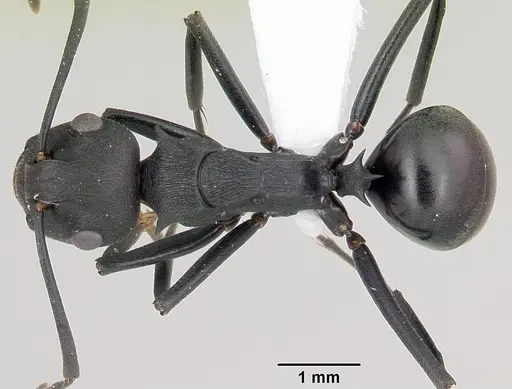
Letteratura
Caricamento mappa di distribuzione...Caricamento prodotti...