
Polyrhachis deceptor
- Nom. sci.
- Polyrhachis deceptor
- Sottogenere
- Myrmothrinax
- Tribù
- Camponotini
- Sottofamiglia
- Formicinae
- Autore
- Kohout, 2008
- Distribuzione
- Trovata in 0 paesi
Introduzione
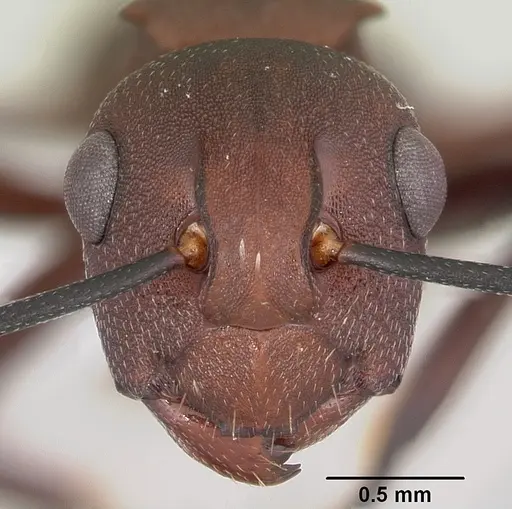
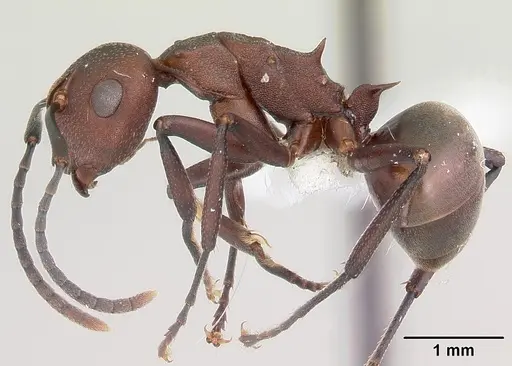
Polyrhachis deceptor is a medium-sized ant species endemic to Sulawesi, Indonesia . Workers measure approximately 6.1-6.75 mm in total length , with a reddish-brown body and dark appendages . Queens are larger, about 8.21-8.52 mm . This species belongs to the Polyrhachis aequalis group and is characterized by three prominent spines on the petiole and backward-pointing propodeal spines . The most distinctive feature is their defensive spines, which help protect against predators .
Quick Summary
- Difficulty: Medium
- Origin & Habitat: Endemic to Sulawesi, Indonesia, found in tropical highland habitats around 1100m elevation, typically in agroforestry areas and forest edges [2].
- Colony Type: Based on Polyrhachis patterns, likely monogyne (single queen colonies).
- Size & Growth:
- Antkeeping:
- Temperature: Keep at 24-28°C, tropical species from Sulawesi.
- Humidity: Keep nest substrate consistently moist but not waterlogged.
- Diapause: No, tropical species do not require hibernation.
- Nesting: Arboreal preferences, provide nests with climbing opportunities, such as Y-tong or naturalistic setups [2].
- Behavior: Generally calm and non-aggressive. Defense mechanism is spraying formic acid, not stinging, as they belong to Formicinae. Escape risk is moderate due to good climbing ability, ensure enclosures are secure.
- Common Issues: limited captive care information exists, much advice is inferred from related species., tropical temperature requirements mean they cannot tolerate cool rooms., as climbers, escape prevention must be good, ensure tight-fitting lids., high humidity needs can lead to mold if ventilation is inadequate., wild-caught colonies may have parasites or diseases that can cause colony failure.
Housing and Nest Setup
Polyrhachis deceptor is an arboreal species, so your setup should include climbing opportunities. Use a Y-tong nest or create a naturalistic setup with branches and vertical surfaces [2]. Ensure the outworld has smooth walls or barriers to prevent escapes, as these ants are good climbers. For founding colonies, a test tube can work initially, but move to a larger formicarium once the colony grows.
Feeding and Diet
These ants are omnivorous, like other Formicinae. Offer sugary foods such as honey or sugar water constantly, and protein sources like fruit flies or mealworms several times per week. Remove uneaten prey after 24-48 hours to prevent mold.
Temperature and Humidity
As a tropical species, keep temperatures between 24-28°C. Use a heating mat if needed to maintain warmth. Humidity should be moderate to high, keep the nest substrate moist but ensure good ventilation to avoid mold.
Colony Development
Queens likely seal themselves in a claustral chamber to raise the first workers. First workers may appear after 6-10 weeks at optimal temperatures. Colony growth is moderate, and workers are monomorphic, meaning they are similar in size [3].
Behavior and Temperament
Polyrhachis deceptor is generally calm and prefers to avoid conflict. Their primary defense is using spines to deter predators and spraying formic acid when threatened [3]. Workers are moderately active and forage both on the ground and in vegetation. Ensure enclosures are secure to prevent escapes.
Frequently Asked Questions
How long does it take for Polyrhachis deceptor queens to raise their first workers?
At optimal temperatures (24-28°C), expect first workers in 6-10 weeks. This is estimated as the species has not been studied in captivity.
What do Polyrhachis deceptor ants eat?
They are omnivores. Offer sugary foods like honey or sugar water constantly, and protein such as insects several times per week.
Can I keep Polyrhachis deceptor in a test tube?
Test tubes work for founding colonies, but these arboreal ants need a more spacious setup with climbing opportunities once the colony grows [2].
Do Polyrhachis deceptor ants need hibernation?
No, as a tropical species from near the equator, they do not require hibernation.
How big do Polyrhachis deceptor colonies get?
Colony size is unknown for this species, as no specific data is available.
Are Polyrhachis deceptor ants good for beginners?
This is a moderately difficult species due to specific tropical requirements. Beginners may struggle with maintaining warm, humid conditions.
Why are my Polyrhachis deceptor ants dying?
Common causes include temperatures below 20°C, low humidity, mold from poor ventilation, or stress from disturbances. Check temperature and humidity levels first.
When should I move my Polyrhachis deceptor colony to a formicarium?
Move them when the colony outgrows the test tube, typically around 20-30 workers, and provide a nest with vertical surfaces [2].
Can I keep multiple Polyrhachis deceptor queens together?
This species is likely monogyne, so only one queen per colony is recommended.
Report an Issue
The current care sheet is based fully on literature. See inconsistencies, or something that's incorrect? Please , it will be resolved after review from an admin. Contributing to the blogs tab also helps providing information, to make us be able to further improve the caresheets. Thank you for your support!
References

Questa scheda di allevamento è concessa in licenza con CC BY-SA 4.0 .
Blog della comunità
CASENT0103186
Visualizza su AntWeb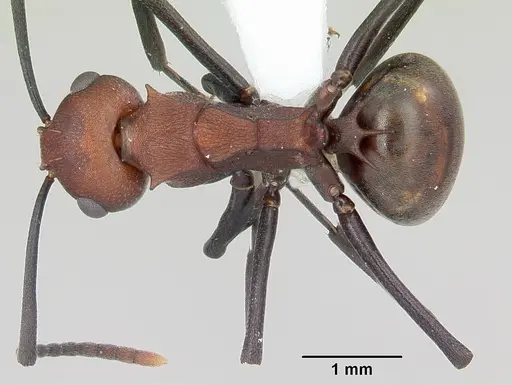
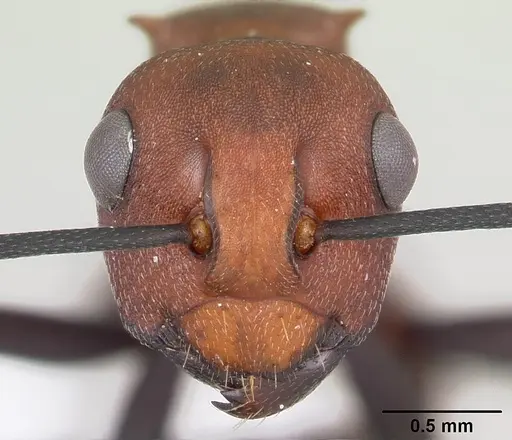
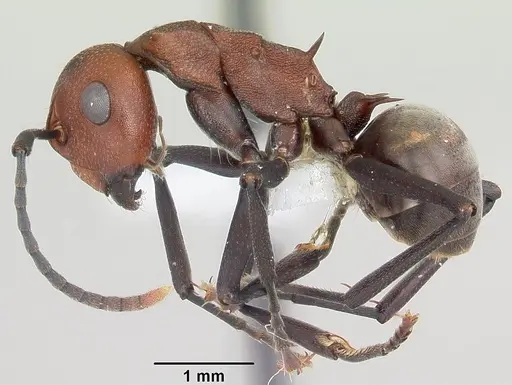
CASENT0103187
Visualizza su AntWeb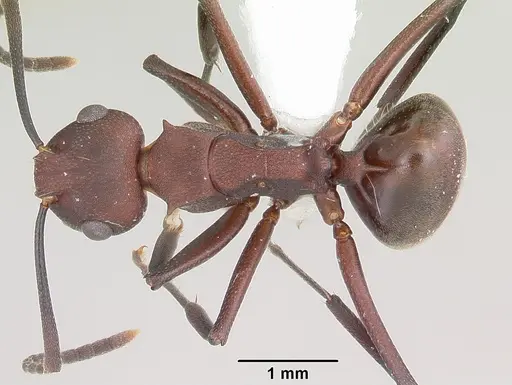
Letteratura
Caricamento mappa di distribuzione...Caricamento prodotti...