
Polyrhachis charaxa
- Nom. sci.
- Polyrhachis charaxa
- Sottogenere
- Myrmatopa
- Tribù
- Camponotini
- Sottofamiglia
- Formicinae
- Autore
- Smith, 1860
- Distribuzione
- Trovata in 0 paesi
Introduzione
Polyrhachis charaxa is a small ant species native to the Indomalaya region, found in Indonesia and Singapore . Workers measure approximately 5-6mm and have a black head and thorax with reddish antennae and mandibles, and a chestnut-red abdomen. They build small papery nests on the underside of leaves .
Quick Summary
- Difficulty: Medium
- Origin & Habitat: Tropical forests of Indonesia and Singapore, nesting in papery structures on leaves [3][1].
- Colony Type: Colony structure is unconfirmed. Based on Polyrhachis genus patterns, likely monogyne (single queen) colonies.
- Size & Growth:
- Queen: Size data unavailable, no specific measurements for queens. Inferred from Polyrhachis genus, queens are likely around 7-9mm.
- Worker: Approximately 5-6mm [3]
- Colony: Colony size is unknown, but likely moderate up to several hundred workers based on genus patterns.
- Growth: Moderate, inferred from tropical Formicinae patterns.
- Development: Estimated 6-8 weeks at optimal temperatures, inferred from related species. (Development time is estimated, direct measurements not available.)
- Antkeeping:
- Temperature: Keep warm, roughly 24-28°C, based on tropical habitat, inferred.
- Humidity: Keep nest substrate consistently moist but not waterlogged, inferred from humid forest habitat.
- Diapause: No, tropical species do not require diapause, inferred.
- Nesting: Prefer nests with organic materials for building papery structures. Use plaster or 3D-printed nests with vertical orientation and surfaces for attachment.
- Behavior: Workers are moderately active, agile climbers, and defend their nest with formic acid spray. Escape risk is high due to small size, ensure tight-fitting lids.
- Common Issues: high humidity can lead to mold if ventilation is poor, ensure adequate airflow., small size makes escape prevention critical, use fine mesh barriers., arboreal nature requires vertical space and climbing surfaces., nesting material preferences are specific, need surfaces for papery nest construction.
Nest Preferences and Housing
Polyrhachis charaxa is an arboreal species that builds small papery nests on leaf undersides [3]. In captivity, provide nests with organic materials like leaf pieces or paper strips for them to construct their nests. Use plaster or 3D-printed nests with vertical orientation and surfaces for attachment. Keep the nest humid but avoid condensation pooling.
Feeding and Diet
These ants are omnivorous. Offer sugar water or honey constantly, and protein prey like fruit flies or small insects 2-3 times per week [4]. Remove uneaten prey after 24 hours to prevent mold.
Temperature and Care
Keep the nest area warm, roughly 24-28°C, based on their tropical habitat, inferred. Maintain consistent temperatures without fluctuations.
Behavior and Temperament
Workers are agile climbers and moderately active. They defend their nest using formic acid spray, as typical for Formicinae. Escape risk is high due to small size.
Colony Development
Colony growth is moderate. Founding behavior is unconfirmed. Based on related species, expect 6-8 weeks from egg to first worker at optimal temperatures, inferred.
Frequently Asked Questions
How long does it take for Polyrhachis charaxa to produce first workers?
Expect 6-8 weeks from egg to first worker at optimal tropical temperatures, inferred from related species.
What do Polyrhachis charaxa ants eat?
They are omnivorous. Offer sugar water or honey constantly, and protein prey like fruit flies 2-3 times per week [4].
Do Polyrhachis charaxa ants need hibernation?
No. As a tropical species, they do not require diapause, inferred.
What size colony does Polyrhachis charaxa reach?
Colony size is unknown, but likely up to several hundred workers based on genus patterns.
Are Polyrhachis charaxa good for beginners?
They are rated as medium difficulty due to tropical conditions and specific nesting needs.
Can I keep Polyrhachis charaxa in a test tube?
Test tubes can work for founding, but long-term, use nests with organic materials for papery nest construction [3].
What temperature is best for Polyrhachis charaxa?
Keep them warm, roughly 24-28°C, based on tropical habitat, inferred.
When should I move my Polyrhachis charaxa colony to a formicarium?
Move them once the colony is crowded, using nests with climbing surfaces and organic materials.
Why is my Polyrhachis charaxa colony not building papery nests?
Provide appropriate materials like leaf pieces or paper strips, and surfaces for attachment [3].
Report an Issue
The current care sheet is based fully on literature. See inconsistencies, or something that's incorrect? Please , it will be resolved after review from an admin. Contributing to the blogs tab also helps providing information, to make us be able to further improve the caresheets. Thank you for your support!
References

Questa scheda di allevamento è concessa in licenza con CC BY-SA 4.0 .
Blog della comunità
CASENT0901834
Visualizza su AntWeb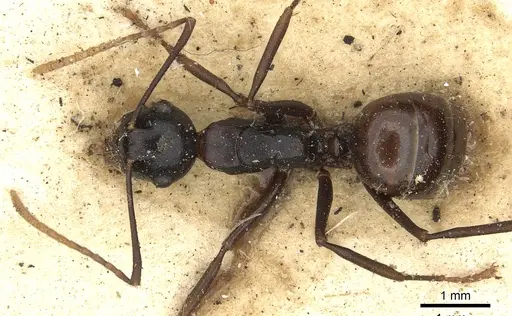
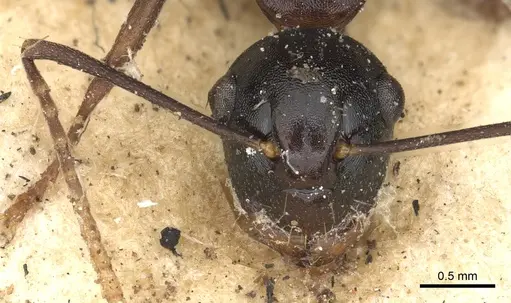
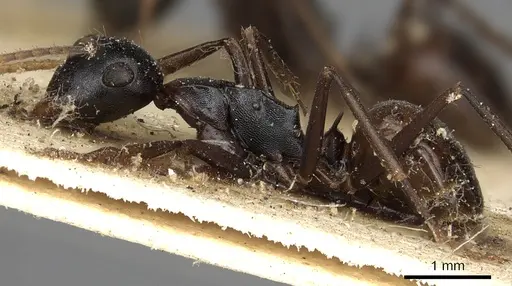
Letteratura
Caricamento mappa di distribuzione...Caricamento prodotti...