
Pogonomyrmex sanmartini
- Nom. sci.
- Pogonomyrmex sanmartini
- Tribù
- Pogonomyrmecini
- Sottofamiglia
- Myrmicinae
- Autore
- Kusnezov, 1953
- Distribuzione
- Trovata in 0 paesi
Introduzione
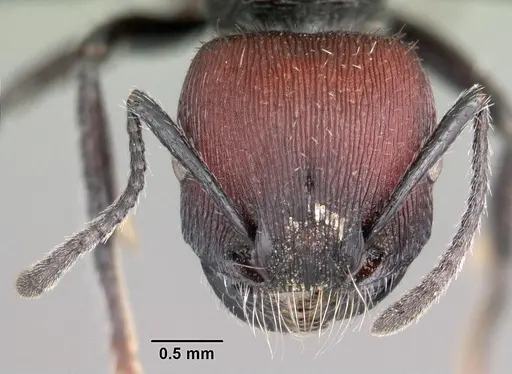
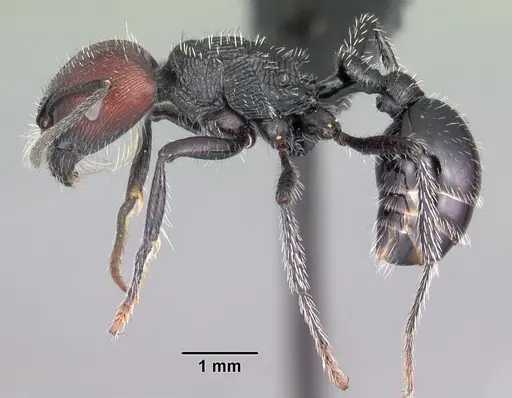
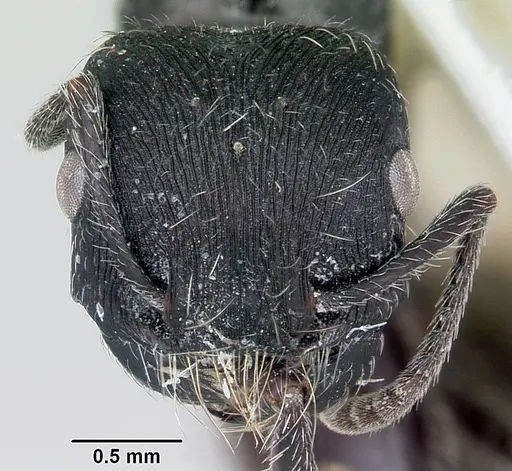
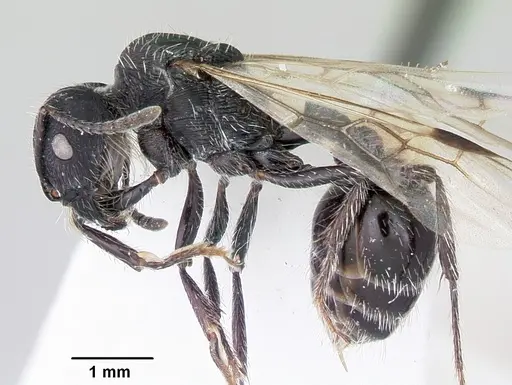
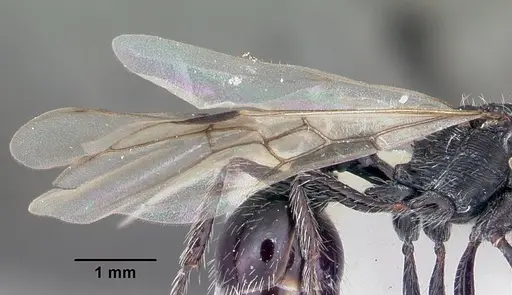
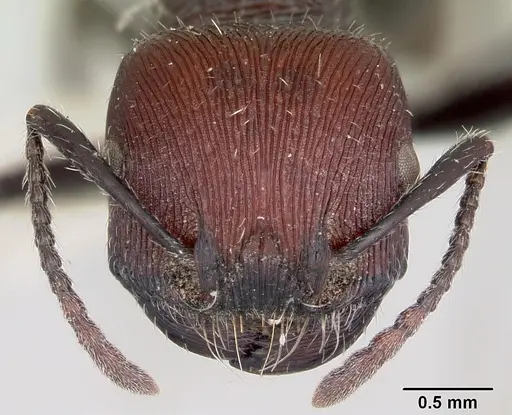
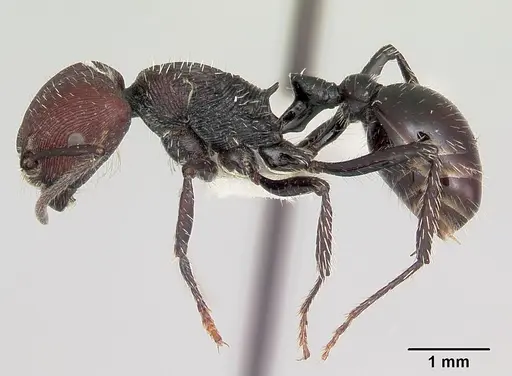
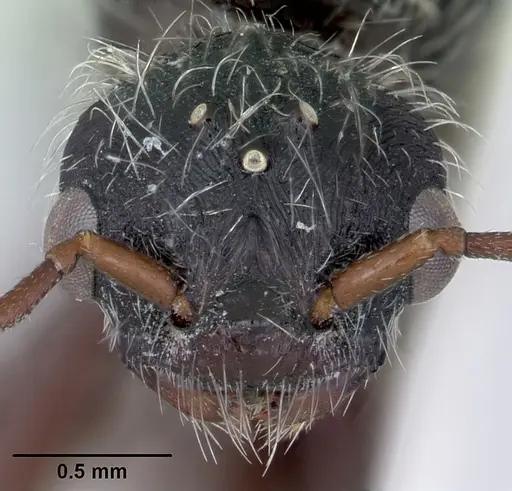
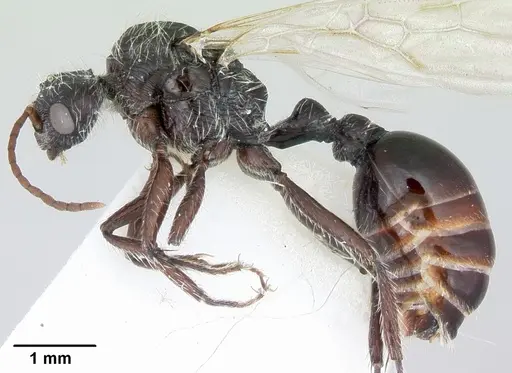
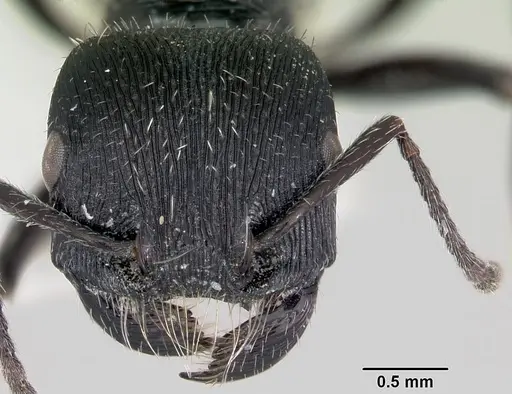
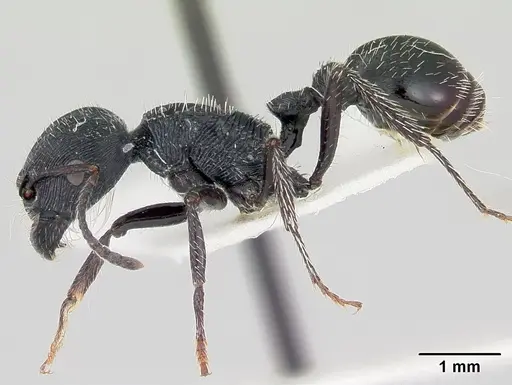
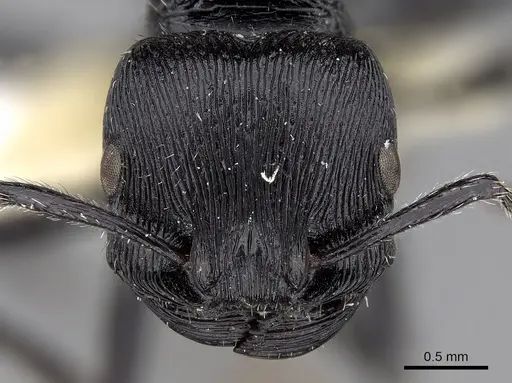
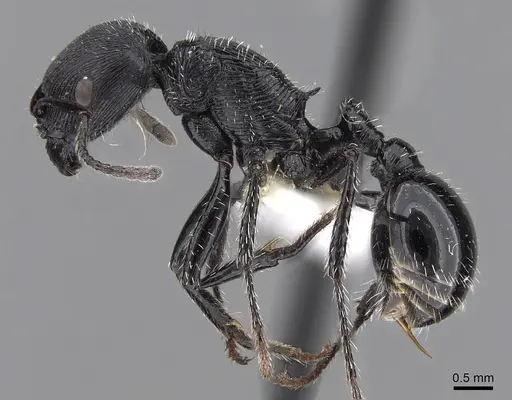
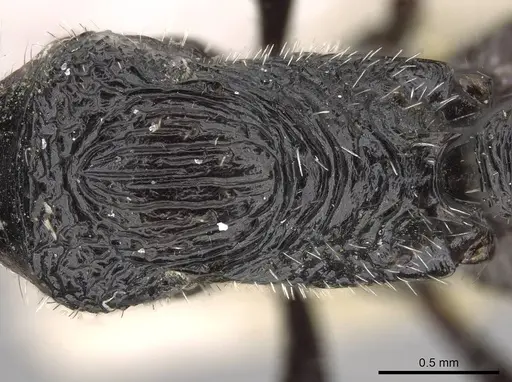
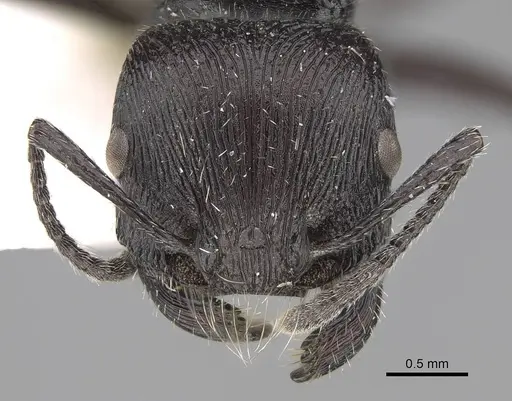
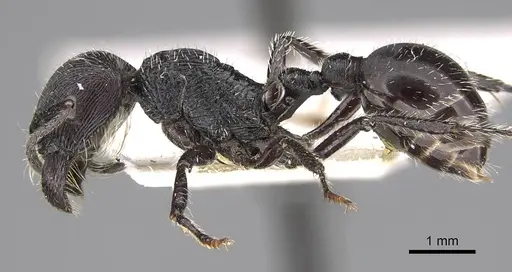
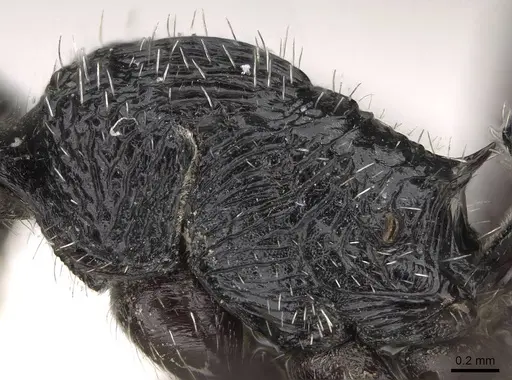
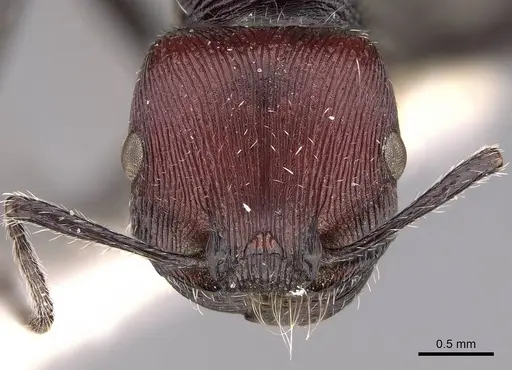
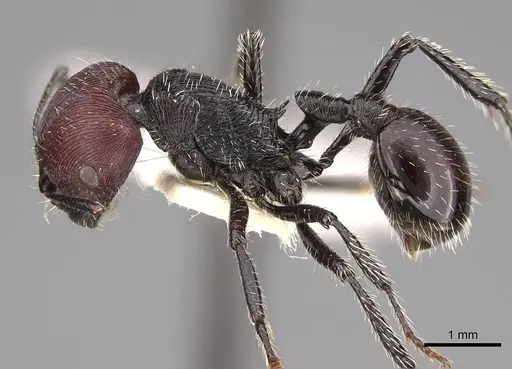
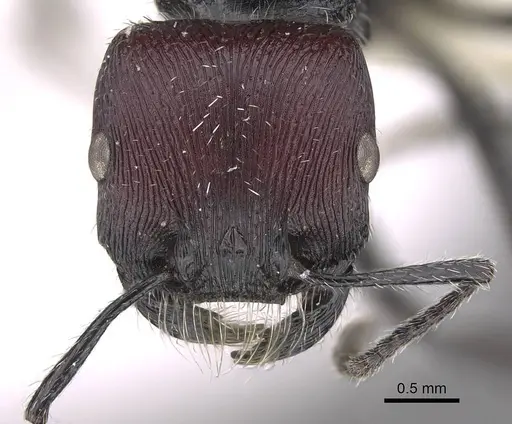
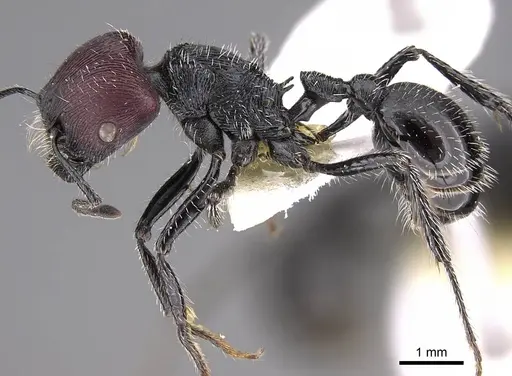
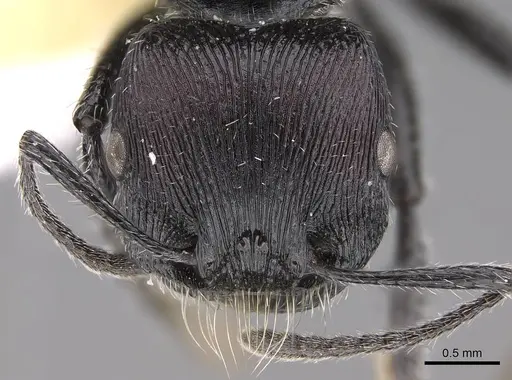
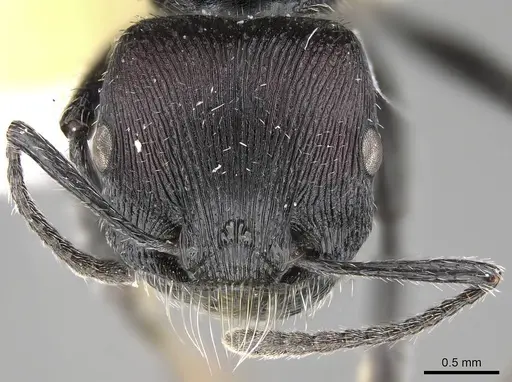
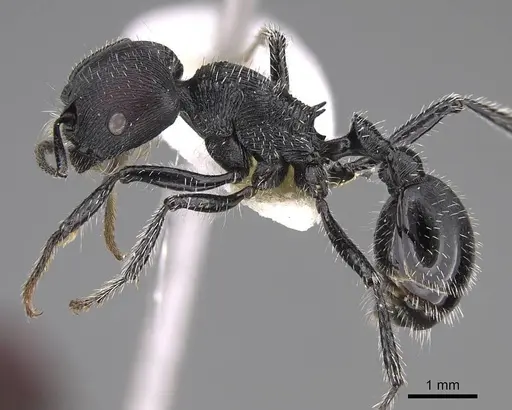
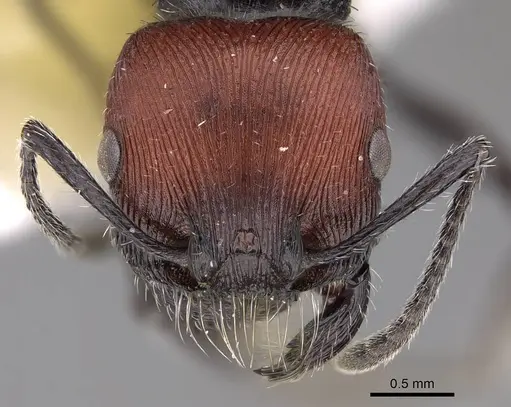
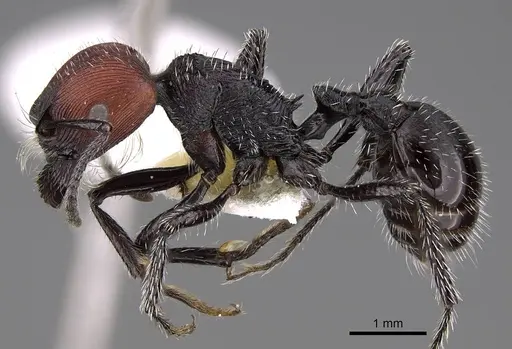
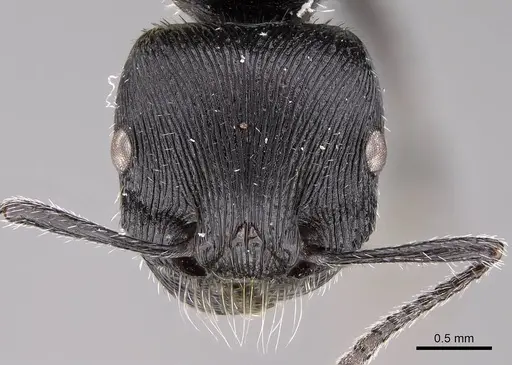
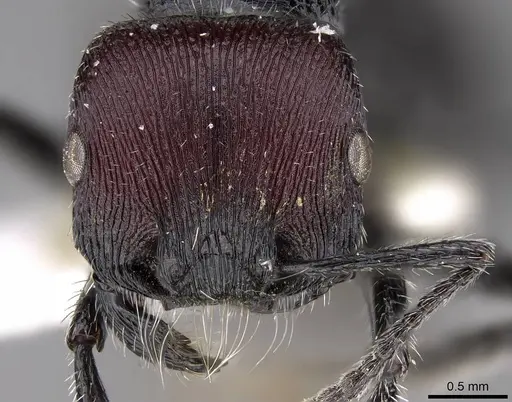
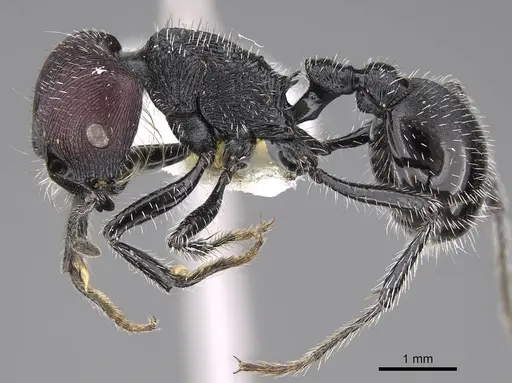
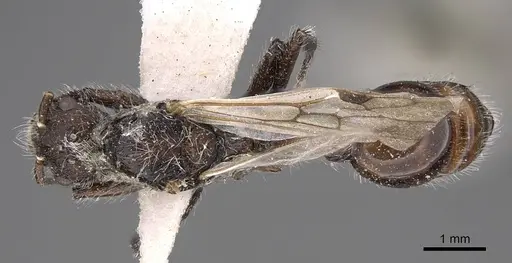
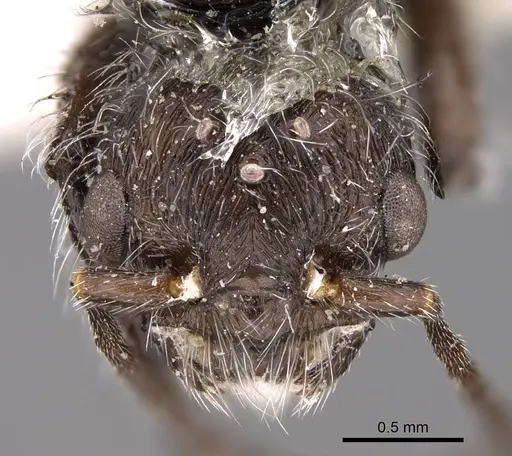
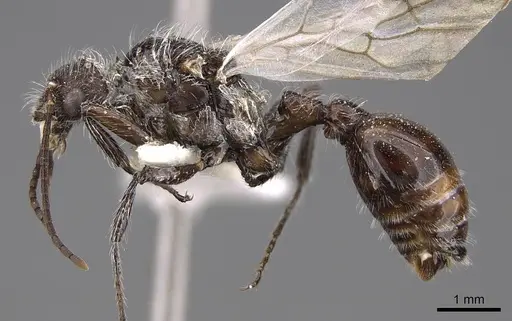
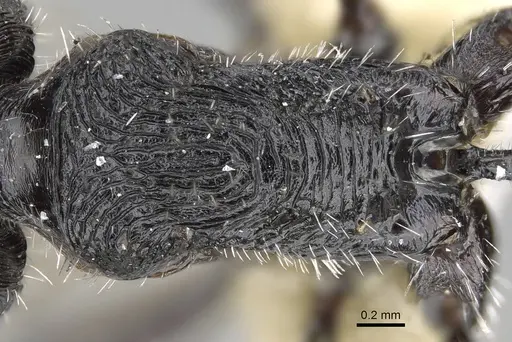
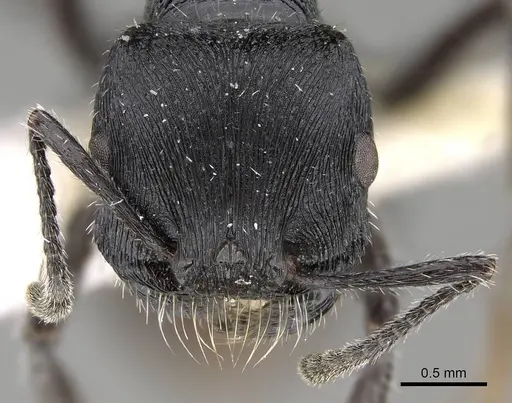
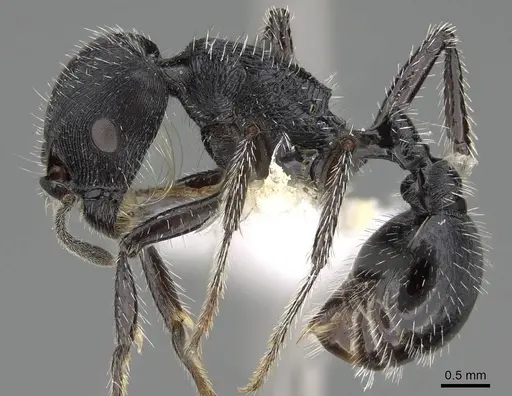
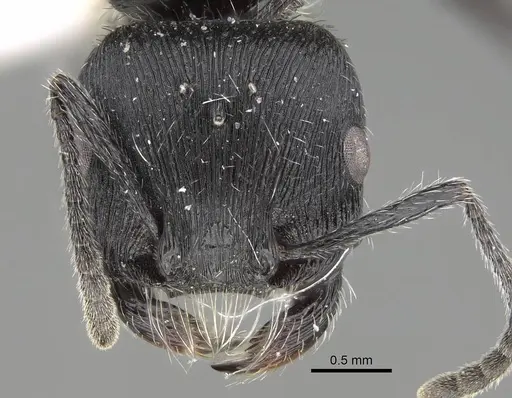
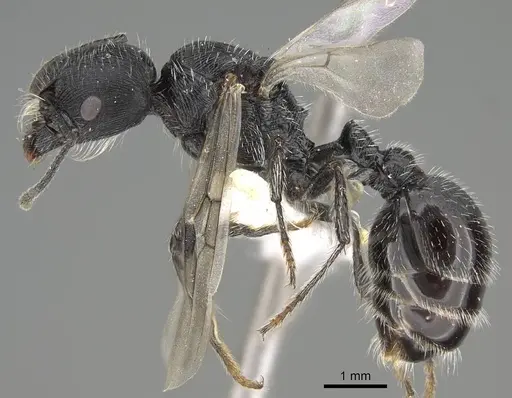
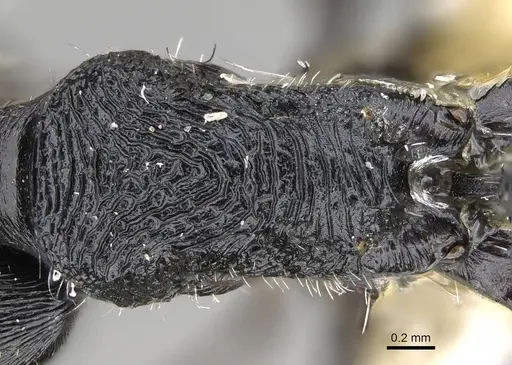
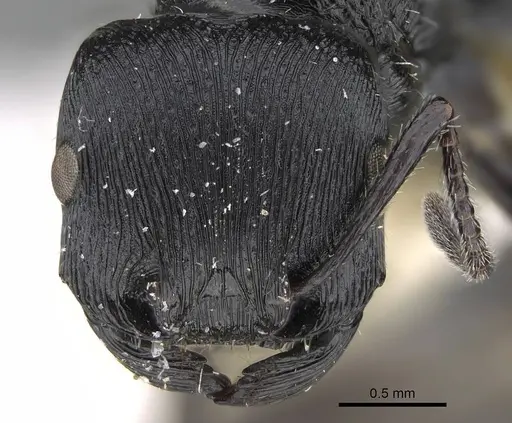
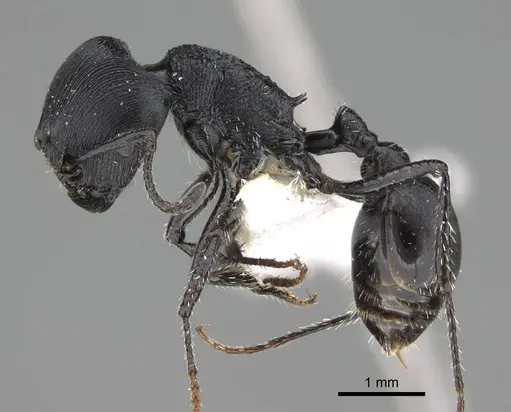
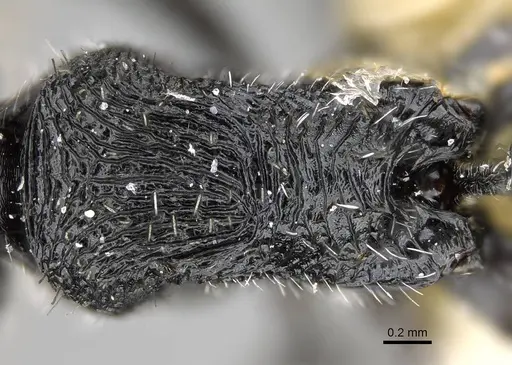
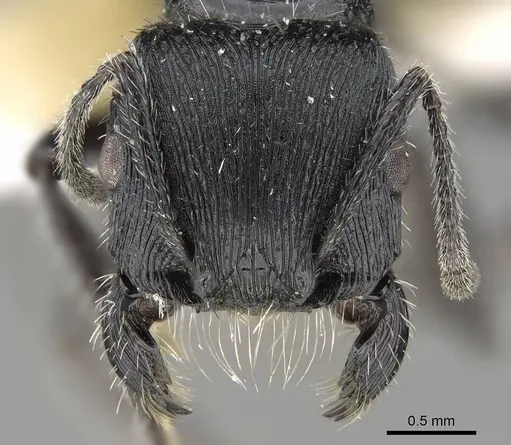
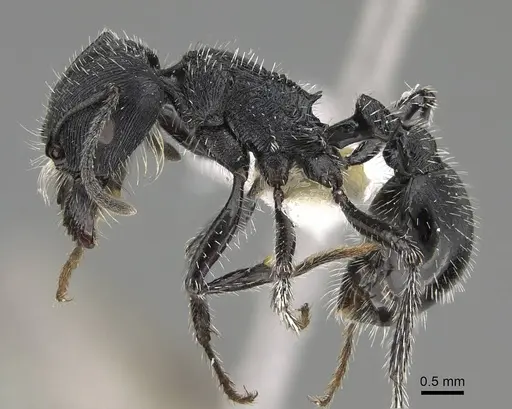
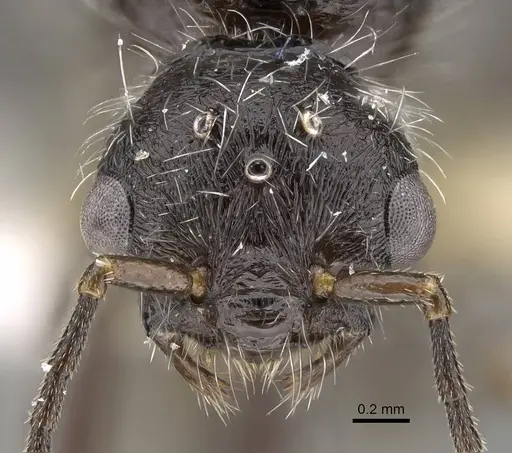
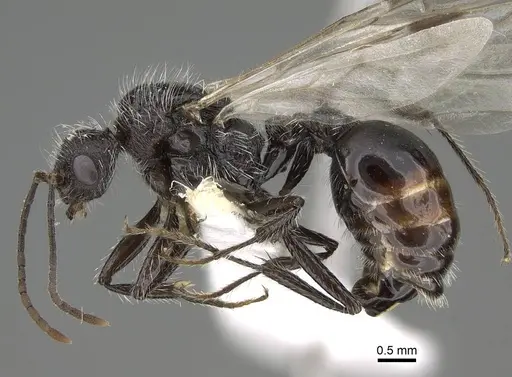
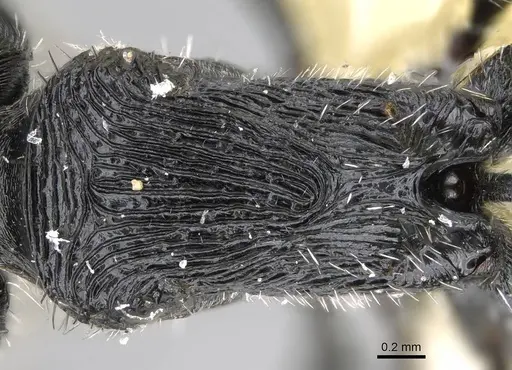
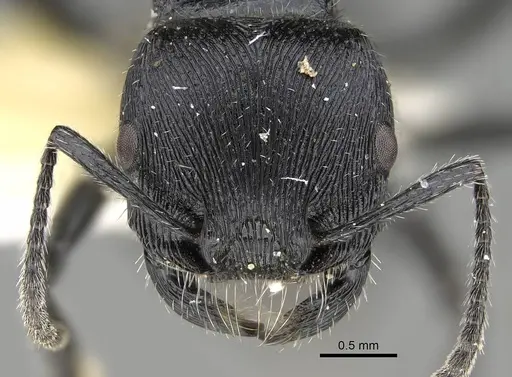
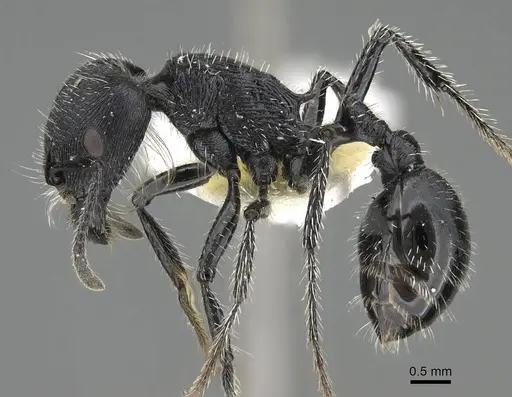
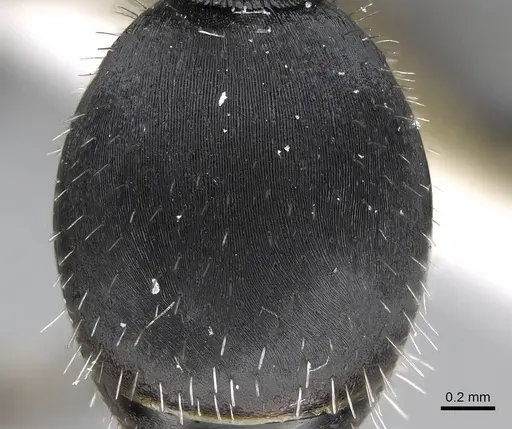
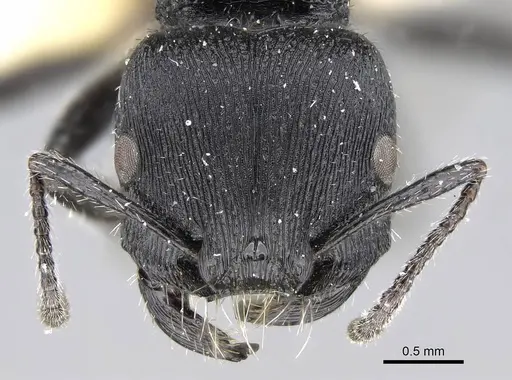
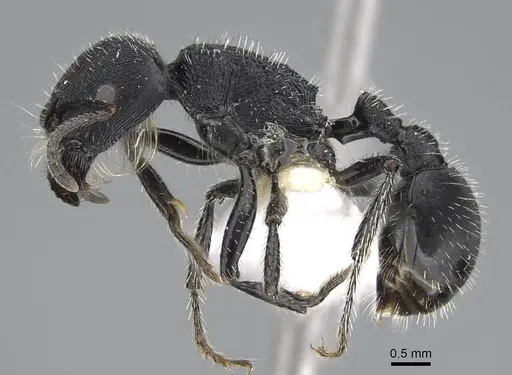
Pogonomyrmex sanmartini is a seed-harvester ant native to Argentina, found in the Patagonian steppe and Southern Andean steppe ecoregions . The body is typically concolorous black, though some specimens show bicolored patterns with ferruginous orange to reddish-black head and/or gaster . Size data for total body length is not available in the research, but based on Pogonomyrmex genus patterns, these are small ants . This species was elevated from subspecies to full species status in 2021,making it one of the newer described species in the genus .
Quick Summary
- Difficulty: Medium
- Origin & Habitat: Argentina, Patagonian steppe and Southern Andean steppe ecoregions [1]. The type locality is San Martín de los Andes in Mendoza province at approximately 7000 feet elevation [1].
- Colony Type: Unconfirmed for this species. Based on typical Pogonomyrmex patterns, they likely form single-queen colonies (monogyne) [2].
- Size & Growth:
- Queen: Inferred from Pogonomyrmex genus, approximately 3-6 mm total length [2]
- Worker: Inferred from Pogonomyrmex genus, approximately 2-5 mm total length [2]
- Colony: Unknown for this specific species, typical Pogonomyrmex colonies reach several thousand workers [2]
- Growth: Moderate, inferred from related species [2]
- Development: Unknown, estimated 6-10 weeks based on genus patterns [2] (Development time is estimated from related Pogonomyrmex species, specific data for P. sanmartini is not available.)
- Antkeeping:
- Temperature: Keep at room temperature around 20-24°C. Based on their Patagonian/Andean habitat, they prefer cooler conditions [1].
- Humidity: Low to moderate, these are steppe ants adapted to drier conditions. Keep nest substrate moderately dry with a small water tube for drinking access [1].
- Diapause: Likely yes, based on temperate Patagonian origin [1]. Provide a winter rest period of 2-3 months at cooler temperatures (10-15°C).
- Nesting: Y-tong (AAC) nests or plaster nests work well for this species. They prefer compact chambers over large open spaces. A naturalistic setup with dry substrate also works [2].
- Behavior: Pogonomyrmex sanmartini is a seed-harvester ant, they collect and store seeds as their primary food source [1]. Workers are moderately aggressive when defending the nest. Escape risk is moderate, their small size means they can squeeze through small gaps, so use standard barrier precautions. They are diurnal foragers, actively searching for seeds during daylight hours.
- Common Issues: Limited specific care data exists, as this is a recently described species with no captive breeding studies., Seed-harvester diet may require experimentation to find preferred seed types., Winter dormancy requirements may be unfamiliar to tropical ant keepers., Small colony size at founding means slow initial growth, requiring patience.
Housing and Nest Setup
Pogonomyrmex sanmartini does well in Y-tong nests or plaster formicariums [2]. These ants prefer compact chambers scaled to their size, avoid large open spaces that can make them feel insecure [2]. A naturalistic setup with dry sandy substrate also works well, reflecting their steppe habitat [1]. For the outworld, use a simple container with smooth walls and apply Fluon or another barrier to prevent escapes. Standard escape prevention measures are necessary due to their small size. Provide a shallow water dish or cotton ball with fresh water at all times [2].
Feeding and Diet
As seed-harvester ants, P. sanmartini primarily collects and stores seeds [1]. Offer a variety of small seeds, grass seeds, millet, chia, and commercial ant seed mixes work well [2]. They crack seeds open to eat the starchy interior, similar to how other Pogonomyrmex species process grain [2]. While seeds form the bulk of their diet, they also benefit from occasional protein. Offer small insects like fruit flies, small mealworms, or cricket pieces sparingly [2]. Sugar water or honey water is occasionally accepted but not a primary food source. Remove uneaten seeds periodically to prevent mold [2].
Temperature and Seasonal Care
Keep your colony at room temperature, ideally around 20-24°C. These ants come from the Patagonian and Southern Andean steppes of Argentina, a temperate region with cool to moderate temperatures [1]. They do not need the high heat that tropical ants require. During winter, provide a diapause (hibernation) period of 2-3 months at temperatures around 10-15°C. This mimics their natural seasonal cycle in the southern hemisphere [1]. Reduce feeding during diapause and keep the nest slightly cooler. Do not feed during the deepest part of winter rest.
Behavior and Defense
Pogonomyrmex sanmartini workers are active foragers that search for seeds during daylight hours [1]. They are moderately defensive and will attack threats to their nest. Workers communicate through chemical trails and will recruit nestmates to good food sources. Colonies are typically single-queen (monogyne) based on typical genus behavior [2].
Frequently Asked Questions
How long does it take for Pogonomyrmex sanmartini to produce first workers?
The exact timeline is unknown for this species. Based on related seed-harvester ants, expect 6-10 weeks from egg to first worker at optimal temperature (around 22°C) [2]. Founding colonies grow slowly at first, be patient.
What do Pogonomyrmex sanmartini ants eat?
They are seed-harvester ants, their primary diet is seeds (grass seeds, millet, chia, commercial ant seed mixes) [1]. They also occasionally accept small insects and may take sugar water or honey. Offer seeds constantly and protein once or twice weekly.
What temperature do Pogonomyrmex sanmartini ants need?
Keep them at room temperature, around 20-24°C. They prefer cooler conditions than tropical ants due to their Patagonian steppe origin [1]. A temperature gradient is beneficial but not required.
Do Pogonomyrmex sanmartini ants need hibernation?
Likely yes. Based on their temperate Argentine habitat, they benefit from a winter rest period. Provide 2-3 months at 10-15°C during the winter months [1]. Reduce feeding and keep the nest cooler during this period.
Can I keep multiple Pogonomyrmex sanmartini queens together?
This is unconfirmed for the species. Most Pogonomyrmex are single-queen colonies (monogyne) [2]. It is not recommended to combine unrelated queens without documented evidence of pleometrosis for this specific species.
How big do Pogonomyrmex sanmartini colonies get?
Exact colony size is unknown for this species. Based on typical Pogonomyrmex patterns, colonies likely reach several thousand workers over several years [2]. Growth is moderate but steady once established.
Are Pogonomyrmex sanmartini ants good for beginners?
They are rated as medium difficulty due to their hibernation requirements and limited care data [2].
What size nest do Pogonomyrmex sanmartini ants need?
Use a small to medium-sized nest with compact chambers [2]. They prefer tighter spaces than larger ants, avoid large open chambers.
Why is my Pogonomyrmex sanmartini colony not growing?
Founding colonies grow slowly, this is normal. Ensure they have proper seeds available, maintain moderate humidity, and avoid disturbing the queen. If months pass without eggs, check temperature and that the queen is still alive. Limited specific care data for this newly described species may require experimentation [2].
Report an Issue
The current care sheet is based fully on literature. See inconsistencies, or something that's incorrect? Please , it will be resolved after review from an admin. Contributing to the blogs tab also helps providing information, to make us be able to further improve the caresheets. Thank you for your support!
References

Questa scheda di allevamento è concessa in licenza con CC BY-SA 4.0 .
Blog della comunità
CASENT0102693
Visualizza su AntWeb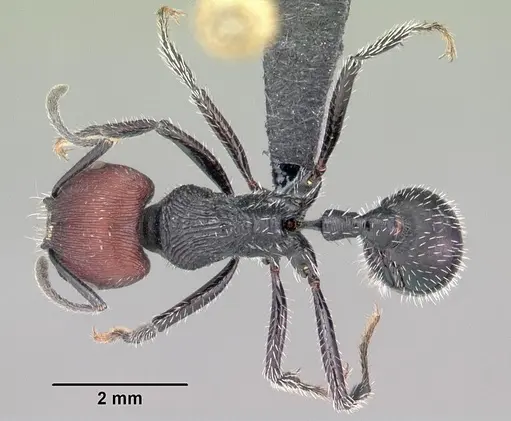
CASENT0103391
Visualizza su AntWeb
CASENT0103403
Visualizza su AntWeb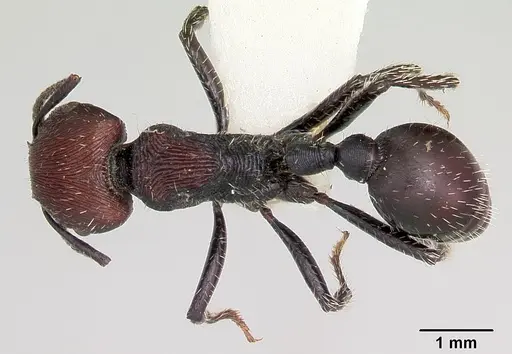
CASENT0103526
Visualizza su AntWeb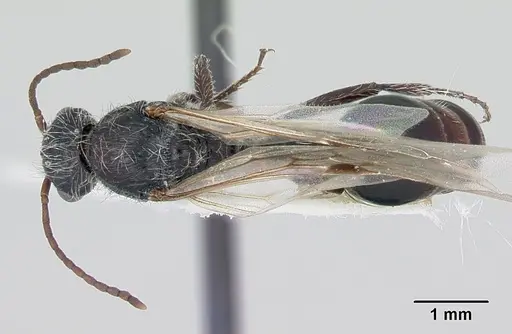
CASENT0103527
Visualizza su AntWeb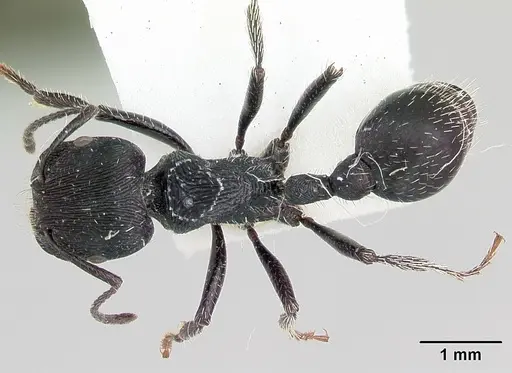
CASENT0280977
Visualizza su AntWeb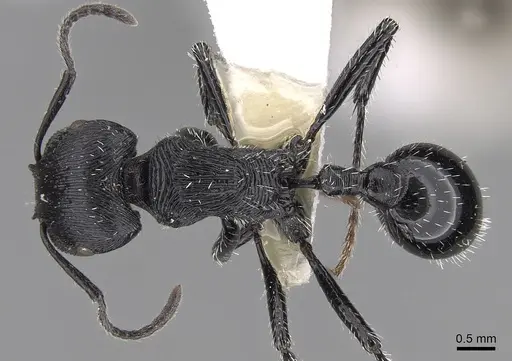
CASENT0280979
Visualizza su AntWeb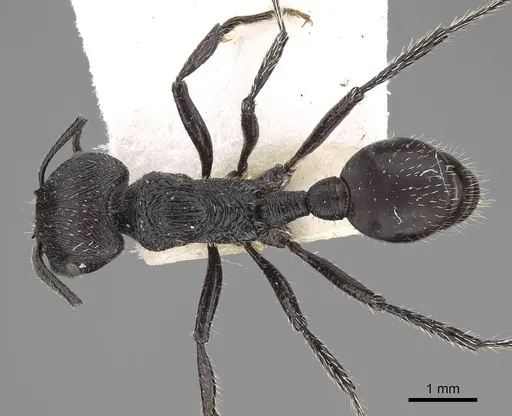
CASENT0906503
Visualizza su AntWeb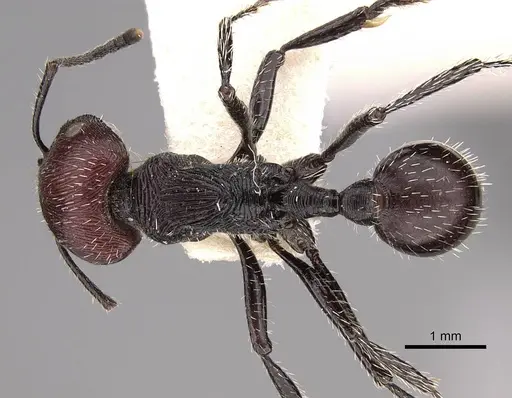
CASENT0906504
Visualizza su AntWeb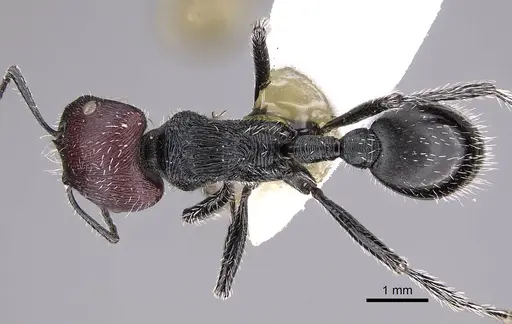
CASENT0914345
Visualizza su AntWeb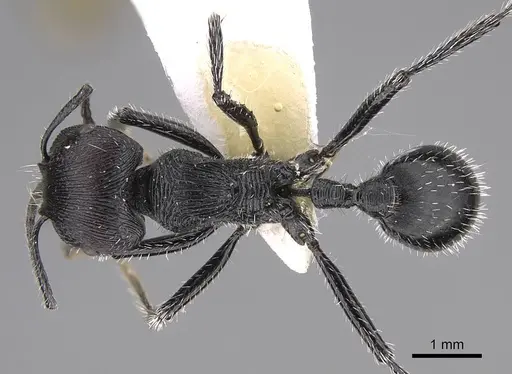
CASENT0914352
Visualizza su AntWeb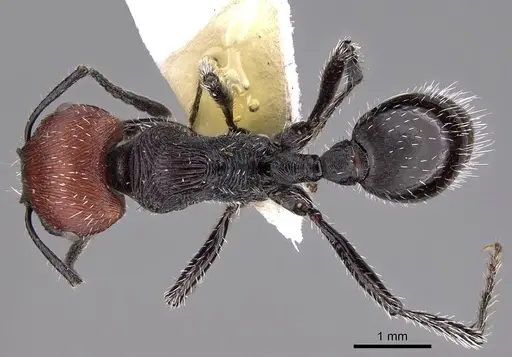
CASENT0914353
Visualizza su AntWeb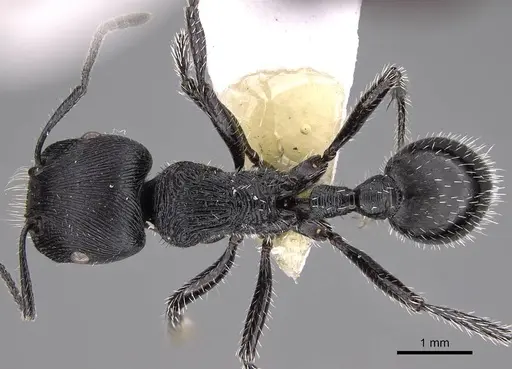
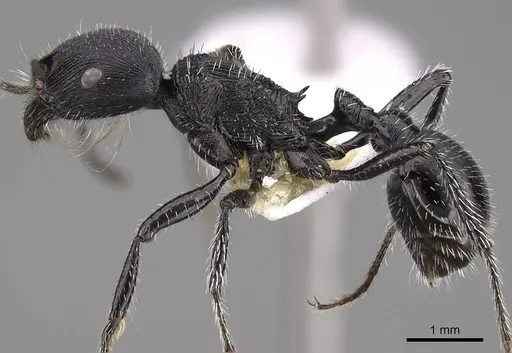
CASENT0914356
Visualizza su AntWeb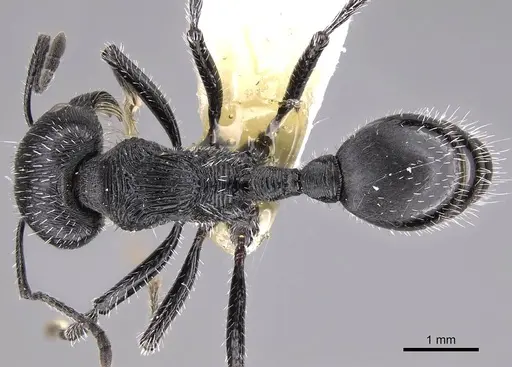
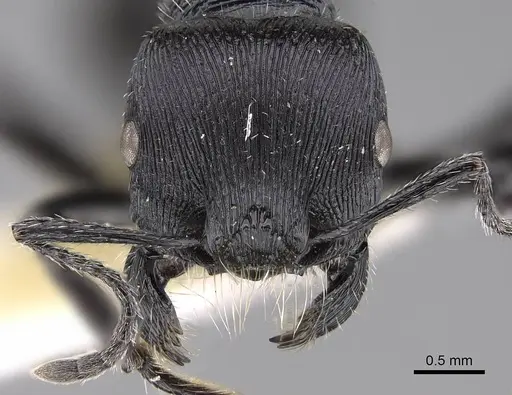
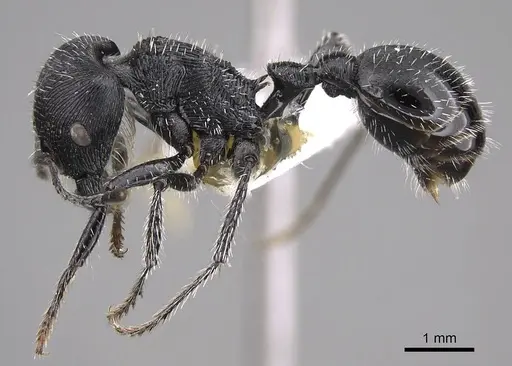
CASENT0914357
Visualizza su AntWeb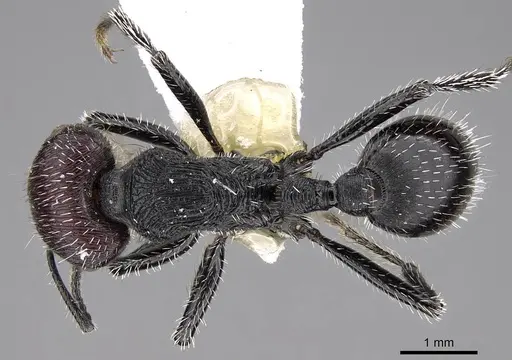
CASENT0914358
Visualizza su AntWeb
CASENT0922476
Visualizza su AntWeb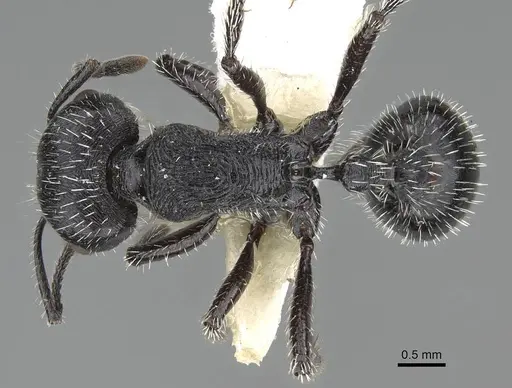
CASENT0922477
Visualizza su AntWeb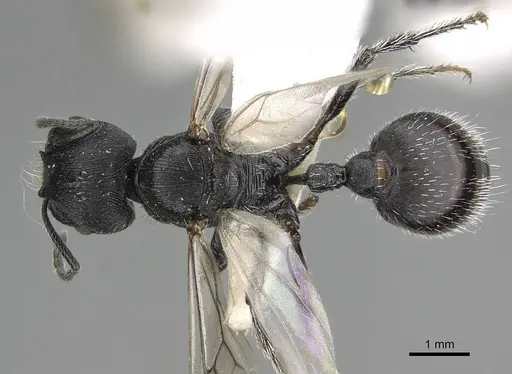
CASENT0922478
Visualizza su AntWeb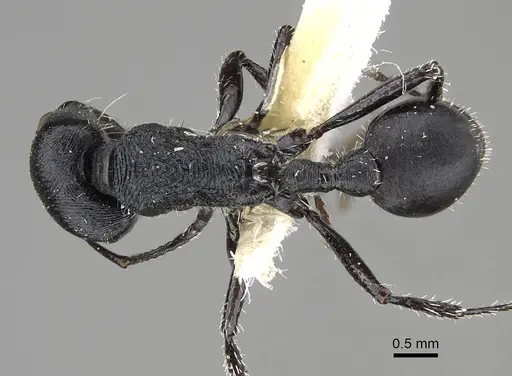
CASENT0922479
Visualizza su AntWeb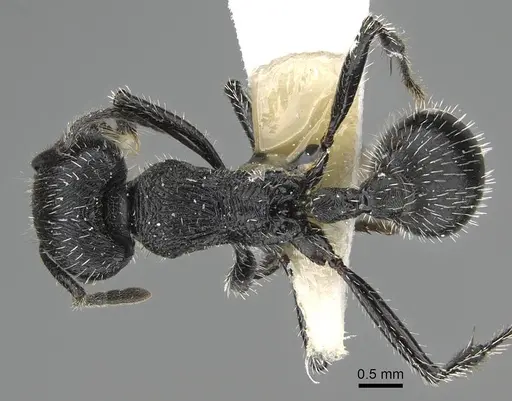
CASENT0922480
Visualizza su AntWeb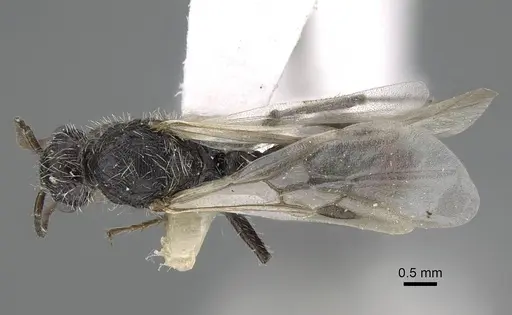
CASENT0922481
Visualizza su AntWeb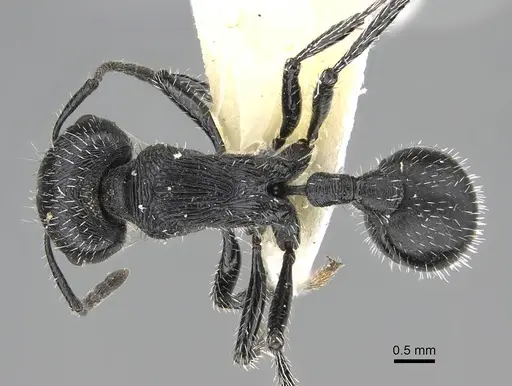
CASENT0922564
Visualizza su AntWeb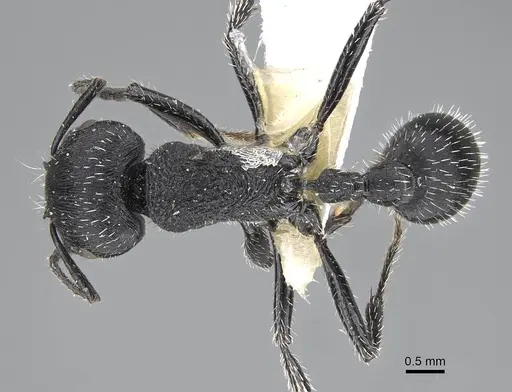
Letteratura
Caricamento mappa di distribuzione...Caricamento prodotti...