
Platythyrea bidentata
- Nom. sci.
- Platythyrea bidentata
- Tribù
- Platythyreini
- Sottofamiglia
- Ponerinae
- Autore
- Brown, 1975
- Distribuzione
- Trovata in 0 paesi
Introduzione
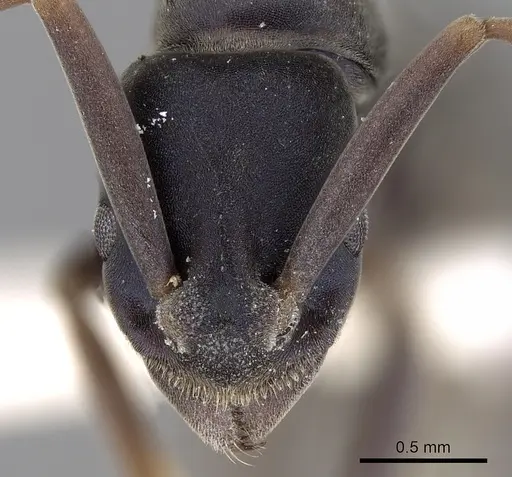
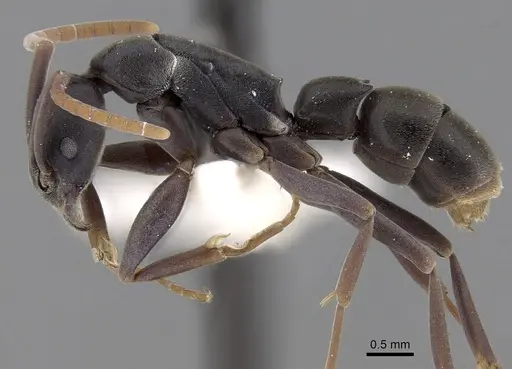
Platythyrea bidentata is a medium-sized ponerine ant native to the Philippines, specifically Negros Island. Workers have a total length of approximately 8.4-8.7 mm , with dark brown coloration and two blunt teeth on the rear of the petiole, which distinguish it from related species . The species was described in 1975 from specimens collected in the Cuernos Mountains near Dumaguete at about 1100 meters elevation . It belongs to the Platythyreini tribe and is one of seven Platythyrea species recorded in Southeast Asia .
Quick Summary
- Difficulty: Medium
- Origin & Habitat: Philippines (Negros Island) in tropical forest environments at moderate elevation (~1100m), with type specimens from the Cuernos Mountains near Dumaguete and another record from a forest fragment in Sorong [1]. This species is part of the Platythyreini tribe [2].
- Colony Type: Colony structure is unconfirmed. No specific data exists on queen number or social structure for this species.
- Size & Growth:
- Queen: Size data unavailable, no measurements described in the literature [1]
- Worker: ~8.4-8.7 mm (total length) [1]
- Colony: Unknown, no colony size data available
- Growth: Unknown, no development data available
- Development: Unknown, no direct measurements exist. Based on typical ponerine development patterns, estimate 6-10 weeks at optimal temperature, but this is a rough inference. (No specific development data exists for this species. Estimates are based on related ponerine ants.)
- Antkeeping:
- Temperature: Temperature needs are unclear, start around 24-28°C and observe, based on tropical habitat [1].
- Humidity: Keep nest substrate consistently moist but not waterlogged, based on tropical forest habitat [1].
- Diapause: No, as a tropical species from the Philippines, they do not require hibernation. Maintain warm conditions year-round [1].
- Nesting: In nature they likely nest in soil or rotting wood. In captivity, use moist substrate or Y-tong/plaster nests with enclosed spaces [1].
- Behavior: Based on ponerine patterns, this species is likely predatory and nocturnal or crepuscular. Workers are moderately sized and not particularly aggressive toward keepers. Escape prevention should be good due to their size.
- Common Issues: limited availability in the antkeeping hobby, no established captive protocols, keepers must pioneer husbandry methods, humidity management is critical, too dry can cause colony failure, stable warmth is necessary due to tropical requirements, prey acceptance may be limited, live prey is preferred
Nest Preferences and Housing
In their natural habitat on Negros Island, these ants live in tropical forests and likely nest in soil or rotting wood [1]. For captive care, use a naturalistic setup with moist substrate, such as a mix of soil and sand that holds humidity without waterlogging. Y-tong or plaster nests with moisture reservoirs are suitable. Provide a dark, enclosed space that stays consistently humid. Avoid dry, open setups. Given their moderate size, chambers should be appropriately scaled [1].
Feeding and Diet
As a ponerine ant, Platythyrea bidentata is predatory and likely hunts small invertebrates in the wild [1]. In captivity, offer small live prey such as fruit flies, crickets, or mealworms. Some colonies may accept protein gels or sugar water, but live prey is more reliable. Feed protein prey 2-3 times per week and ensure fresh water is available [1].
Temperature and Heating Requirements
Being a tropical species, these ants need warm conditions. Maintain temperatures around 24-28°C, with a thermal gradient using a heating cable on top of the nest [1]. Avoid temperature fluctuations and drafts. Room temperature may suffice if within this range, otherwise supplemental heating is needed [1].
Humidity Management
Tropical forest ants require high humidity. Keep the nest substrate consistently moist but not waterlogged. A water tube connected to the nest helps maintain humidity and provides drinking water. Monitor condensation as an indicator. Too little humidity can cause colony decline, while excess moisture may lead to mold [1].
Behavior and Colony Dynamics
Ponerine ants have a primitive social structure with less behavioral flexibility than advanced ants. This species is likely nocturnal or crepuscular. Workers are not aggressive toward humans, and stings are mild. Colonies start small with a single queen and grow gradually, typically reaching hundreds of workers [1].
Frequently Asked Questions
How long does it take for Platythyrea bidentata to produce first workers?
The exact development time is unknown. Based on typical ponerine patterns, expect approximately 6-10 weeks from egg to worker at optimal temperature (24-28°C). This is a rough estimate, so monitor your colony and adjust conditions as needed.
What do Platythyrea bidentata ants eat?
They are predatory ants. Feed small live insects such as fruit flies, crickets, or mealworms. Some colonies may accept protein-based foods or sugar water, but live prey is most reliable [1].
Can I keep Platythyrea bidentata in a test tube setup?
Test tubes can work for founding colonies if humidity is closely monitored. However, a naturalistic setup with moist substrate or Y-tong/plaster nests is better for long-term housing due to high humidity needs [1].
What temperature do Platythyrea bidentata need?
Keep them warm at 24-28°C, based on their tropical habitat. Use a heating cable to maintain stable warmth, especially in cooler climates [1].
Is Platythyrea bidentata good for beginners?
This species is not ideal for complete beginners due to limited care information and specific humidity/warmth requirements. Intermediate keepers interested in ponerines may succeed with proper conditions.
How big do Platythyrea bidentata colonies get?
Colony size is unknown, no published data exists. Based on typical ponerine sizes, colonies may reach several hundred workers rather than thousands.
Do Platythyrea bidentata need hibernation?
No, as a tropical species from the Philippines, they do not require hibernation. Maintain warm, stable conditions year-round [1].
Where is Platythyrea bidentata found in the wild?
This species is native to the Philippines, specifically Negros Island. Type specimens were collected from the Cuernos Mountains near Dumaguete at about 1100 meters elevation, in tropical forest environments [1].
Why is this species so rarely kept?
Platythyrea bidentata has a limited distribution (only known from Negros Island) and is rarely collected or available in the antkeeping hobby. There is also limited scientific information about their biology, making them a species for advanced keepers [1][2].
Report an Issue
The current care sheet is based fully on literature. See inconsistencies, or something that's incorrect? Please , it will be resolved after review from an admin. Contributing to the blogs tab also helps providing information, to make us be able to further improve the caresheets. Thank you for your support!
References

Questa scheda di allevamento è concessa in licenza con CC BY-SA 4.0 .
Blog della comunità
CASENT0281867
Visualizza su AntWeb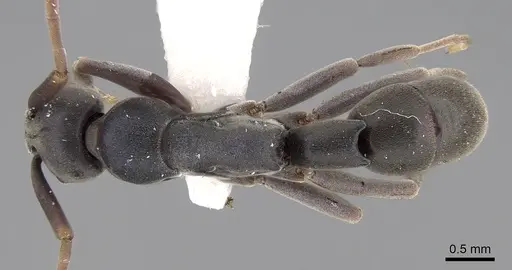
Letteratura
Caricamento mappa di distribuzione...Caricamento prodotti...