
Pheidole variolosa
- Nom. sci.
- Pheidole variolosa
- Tribù
- Attini
- Sottofamiglia
- Myrmicinae
- Autore
- Emery, 1892
- Distribuzione
- Trovata in 0 paesi
Introduzione
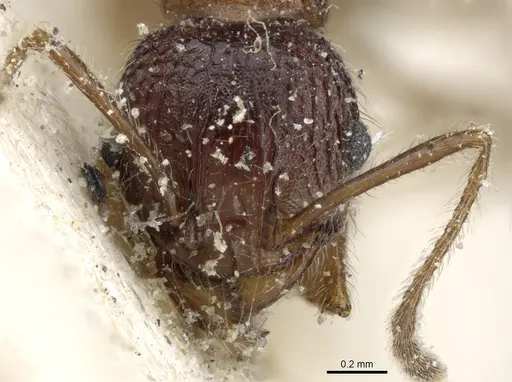
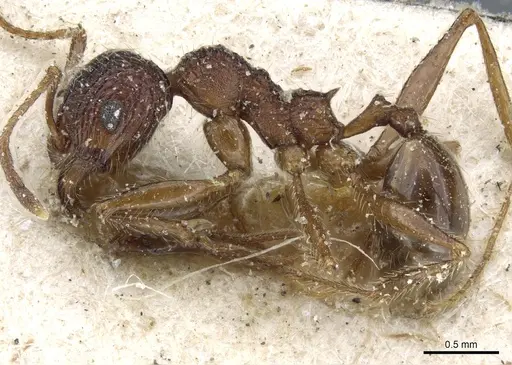
Pheidole variolosa is a small ant species native to the Horn of Africa. You can find them in Eritrea and Somalia . Like other Pheidole species, they have two worker castes. Minor workers handle most daily tasks. Major workers, or soldiers, have enlarged heads for processing food. Workers range from yellowish to light brown . This species belongs to the Attini tribe, which includes many seed-harvesting ants. They likely eat seeds, insects, and honeydew . Scientific records for this species are sparse. Most data comes from early 20th century museum specimens . Modern research has not documented their natural history. Care recommendations rely on typical Pheidole behavior and their native climate .
Quick Summary
- Difficulty: Medium
- Origin & Habitat: Horn of Africa, specifically Eritrea and Somalia. They live in hot, semi-arid to arid regions [1][2].
- Colony Type: Single-queen colonies are typical for Pheidole species. This species likely follows that pattern, though direct studies are missing [2].
- Size & Growth:
- Queen: size data unavailable, inferred from Pheidole genus patterns (~6-8mm)
- Worker: size data unavailable, inferred from Pheidole genus patterns (minors ~2-3mm, majors ~4-5mm)
- Colony: unknown, estimated from Pheidole genus patterns (up to several hundred workers)
- Growth: Moderate
- Development: 6-8 weeks, estimated from Pheidole patterns (Development speed depends on temperature and food. Direct observations for Pheidole variolosa are missing.)
- Antkeeping:
- Temperature: Temperature needs are unclear. Keep them warm and stable, roughly low-to-mid 20s°C, and observe.
- Humidity: Keep the nest substrate mostly dry with one small moist area for drinking. Provide a humidity gradient so they can choose their preferred moisture level.
- Diapause: Diapause requirements are unknown. Their native range lacks cold winters, so they likely do not need a hibernation period. Watch for seasonal slowdowns and adjust accordingly.
- Nesting: They prefer compact chambers. Y-tong (AAC), plaster, soil nests, or 3D-printed nests work well. Avoid overly large spaces.
- Behavior: They are generally calm and not aggressive toward keepers. Workers forage actively, with majors focusing on food processing. Escape risk is moderate due to their small size. Use standard barrier methods like Fluon on the outworld rim.
- Common Issues: colonies grow slowly during the founding stage, be patient, dry conditions can harm brood, monitor moisture levels carefully, wild-caught colonies may carry parasites or diseases, major workers can drown in water reservoirs, provide escape ramps, seed-eating ants sometimes ignore protein, offer protein regularly
Housing and Nest Setup
Pheidole variolosa prefers compact chambers. You can use Y-tong (AAC), plaster, soil nests, or 3D-printed nests. Avoid overly large spaces, as they feel safer in tighter areas. Test tube setups work well for founding colonies. Move them to a larger nest once the colony grows. Connect the nest to an outworld using tubing. Keep the setup away from direct sunlight and drafts. These ants belong to the Attini tribe, which includes many seed-harvesting ants, so they often nest in dry soil or wood [2].
Feeding and Diet
This species likely eats seeds, insects, and honeydew [2]. Offer small seeds like millet, chia, or cracked sunflower seeds. Major workers will process these with their enlarged heads. You must also provide protein for brood development. Offer small insects like fruit flies or pinhead crickets. Keep sugar water or honey water available at all times. Many Pheidole colonies prefer protein and sugar initially. They will incorporate seeds into their diet as they grow. Feed protein two to three times per week.
Temperature and Humidity Management
Their native range in Eritrea and Somalia features hot, semi-arid to arid conditions [1][2]. Temperature needs are unclear. Keep them warm and stable, roughly low-to-mid 20s°C, and observe their activity. Humidity requirements are also unconfirmed. Keep the nest substrate mostly dry with one small moist area for drinking. Provide a humidity gradient so they can choose their preferred moisture level. Avoid damp, mold-prone conditions. Good ventilation prevents fungal growth.
Frequently Asked Questions
How long does it take to raise first workers?
Expect 6-8 weeks from egg to first worker at optimal temperature. This is estimated from Pheidole patterns. Direct observations for Pheidole variolosa are missing. [2]
What do Pheidole variolosa ants eat?
They likely eat seeds, insects, and honeydew. Offer small seeds, protein like fruit flies, and constant sugar water. Protein supports brood development. [2]
Do Pheidole variolosa ants need hibernation?
Diapause requirements are unknown. Their native range lacks cold winters, so they likely do not need a hibernation period. Watch for seasonal slowdowns and adjust accordingly. [1][2]
What temperature is best?
Temperature needs are unclear. Keep them warm and stable, roughly low-to-mid 20s°C, and observe their activity. Avoid extreme heat. [2]
Are they good for beginners?
They are moderate difficulty. The founding stage takes patience. They need warm, stable conditions and careful moisture management. Basic ant care knowledge is sufficient. [2]
How big do colonies get?
Colony size is unknown. Estimates based on Pheidole patterns suggest up to several hundred workers over time. [2]
Can I keep multiple queens together?
Not recommended. Single-queen colonies are typical for Pheidole species. This species likely follows that pattern. Starting with one queen is the standard approach. [2]
When should I move them to a larger nest?
Move them once the colony reaches a manageable size and the test tube becomes cramped. This usually happens after several months. Ensure the new nest has appropriately sized chambers. [2]
Why is my colony growing slowly?
Several factors can slow growth. Temperatures outside their preferred range slow metabolism. Insufficient protein stunts brood development. Low humidity harms larvae. The founding stage is naturally slow. Be patient and maintain stable conditions. [2]
Report an Issue
The current care sheet is based fully on literature. See inconsistencies, or something that's incorrect? Please , it will be resolved after review from an admin. Contributing to the blogs tab also helps providing information, to make us be able to further improve the caresheets. Thank you for your support!
References

Questa scheda di allevamento è concessa in licenza con CC BY-SA 4.0 .
Blog della comunità
CASENT0904223
Visualizza su AntWeb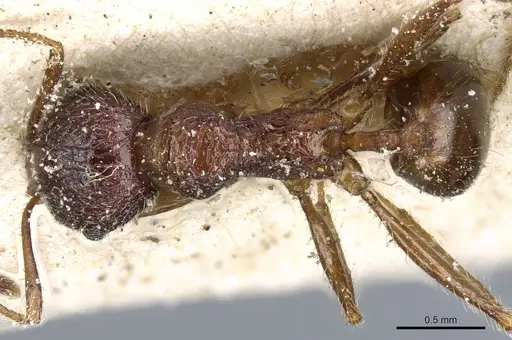
Letteratura
Caricamento mappa di distribuzione...Caricamento prodotti...