
Pheidole templaria
- Nom. sci.
- Pheidole templaria
- Tribù
- Attini
- Sottofamiglia
- Myrmicinae
- Autore
- Forel, 1902
- Distribuzione
- Trovata in 0 paesi
Introduzione
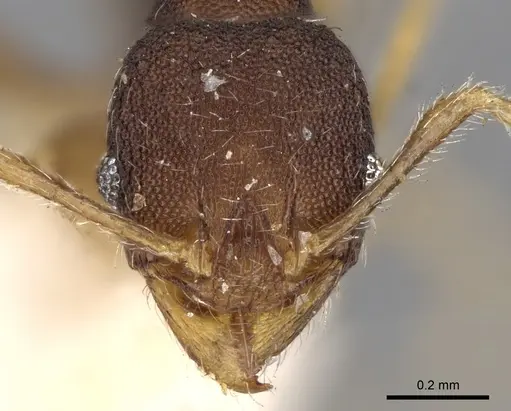
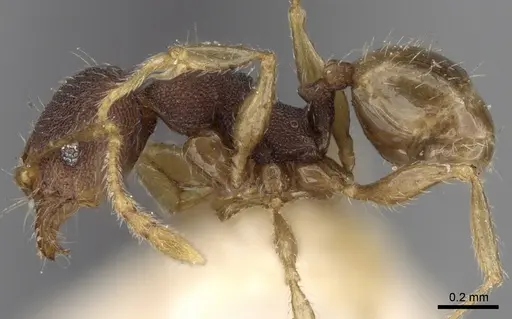
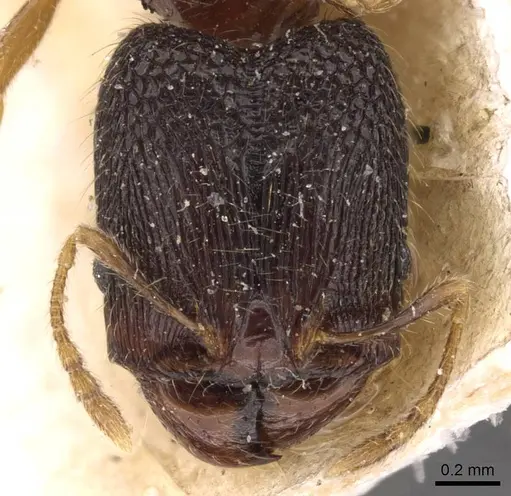
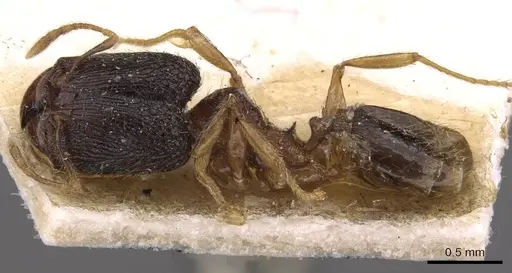
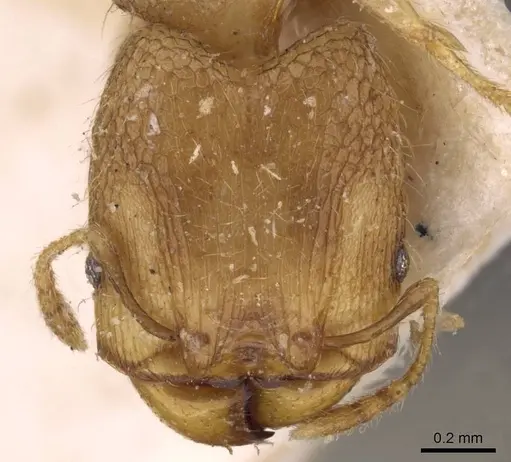
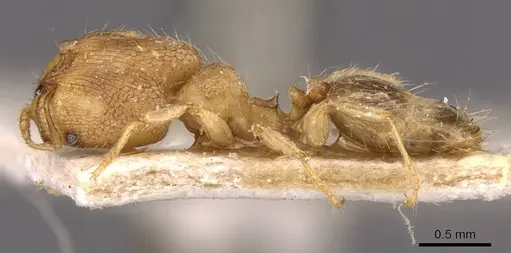
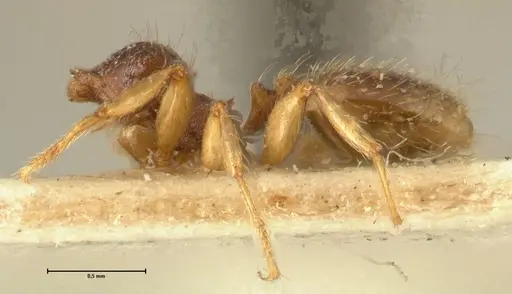
Pheidole templaria is a dimorphic ant species in the Myrmicinae subfamily, native to the Himalayan region of India. It inhabits elevations between 1500-2000 meters and has been recorded in Assam state . The species features two worker castes: major workers with enlarged heads for seed processing and smaller minor workers that handle foraging and brood care. Workers are reddish-brown to dark brown, with majors noticeably larger than minors. This species belongs to the Attini tribe, which includes seed-harvesting ants, reflecting its natural diet. It was described by Forel in 1902 and remains a valid species .
Quick Summary
- Difficulty: Easy
- Origin & Habitat: Himalayan regions of India at elevations of 1500-2000 meters [1], recorded from Assam state [2]. They inhabit mountainous areas with moderate temperatures typical of mid-elevation forests.
- Colony Type: Colony structure involves one reproductive queen with major and minor worker castes. Based on typical Pheidole genus patterns, likely monogyne (single queen).
- Size & Growth:
- Queen: Size data unavailable for this species. Inferred from Pheidole genus to be around 7-9mm, but no total length measurements are provided in the research.
- Worker: Size data unavailable for this species. Pheidole ants are dimorphic, with minor workers smaller than majors, but specific measurements are not available.
- Colony: Estimated up to a few thousand workers based on genus patterns [3].
- Growth: Moderate
- Development: 6-10 weeks estimated based on typical ant development at warm temperatures (Development time is temperature-dependent, warmer conditions within acceptable range will speed development)
- Antkeeping:
- Temperature: Keep at moderate temperatures, roughly 20-26°C, based on their Himalayan elevation range [1]. Room temperature around 22-24°C is ideal. Avoid temperatures above 30°C.
- Humidity: Provide a humidity gradient with mostly dry nest conditions and one small moist area. They prefer drier substrates than many tropical ants, as inferred from their mountainous habitat [1].
- Diapause: Yes, based on their Himalayan origin, they likely require a winter rest period at cooler temperatures (10-15°C) for 2-3 months [1].
- Nesting: Use Y-tong (AAC) nests, plaster nests, or test tube setups. Provide moderate chamber sizes and allow the nest to dry between waterings, as they prefer drier conditions.
- Behavior: Minor workers handle most tasks including foraging and brood care, while majors specialize in seed processing and defense. They are generally non-aggressive toward keepers but may bite if threatened. Escape risk is moderate due to their size, standard barriers like Fluon or water moats are sufficient.
- Common Issues: overheating above 30°C can stress or kill the colony, excessive humidity may cause mold and colony stress, colonies may fail if diapause is not provided annually, major workers may struggle with very hard seeds, offer softer options initially
Housing and Nest Setup
Pheidole templaria does well in test tube setups for founding queens and small colonies. As the colony grows, upgrade to Y-tong (AAC) nests or plaster formicariums. Provide appropriately-sized chambers and allow the nest to dry between waterings, as they prefer drier conditions [1]. A water tube should always be available for drinking. For the outworld, use a simple foraging area with escape prevention like Fluon or a water moat [4].
Feeding and Diet
As members of the Attini tribe, they are primarily seed-harvesters. Offer seeds like millet, chia, and cracked sunflower seeds as a staple. Provide protein from small insects like fruit flies or mealworms, and occasional sugar water. Remove uneaten food after 48 hours to prevent mold [4].
Temperature and Seasonal Care
Based on their Himalayan elevation of 1500-2000 meters, keep temperatures moderate at 20-26°C [1]. Avoid above 30°C. During winter (November-February), reduce temperatures to 10-15°C for diapause [1]. Reduce feeding during diapause and gradually warm in spring to trigger activity.
Colony Growth and Development
The queen lays eggs that develop into larvae, pupae, and then workers. First workers are minor workers, majors appear as the colony matures. Development from egg to worker takes 6-10 weeks, depending on temperature. Colonies can reach several hundred workers in the first year under good conditions [3].
Behavior and Temperament
Minor workers are active in foraging and brood care, while majors handle seed processing and defense. They are not aggressive toward keepers but may bite if handled roughly. The colony establishes scent trails to food sources and communicates chemically [4].
Frequently Asked Questions
How long does it take for Pheidole templaria to have first workers?
Expect first workers approximately 6-10 weeks after the queen lays eggs, depending on temperature. Warmer conditions speed development [3].
What do Pheidole templaria ants eat?
They are seed-harvesters, so seeds should form a staple diet. Offer millet, chia, and cracked sunflower seeds, plus protein from small insects like fruit flies or mealworms [4].
Do Pheidole templaria ants need hibernation?
Yes, based on their Himalayan origin, they require a winter diapause at 10-15°C for 2-3 months [1].
What temperature is best for Pheidole templaria?
Keep them at 20-26°C, with room temperature around 22-24°C ideal. Avoid above 30°C, as their Himalayan habitat prefers moderate temperatures [1].
Are Pheidole templaria good for beginners?
Yes, they are considered easy to keep due to adaptable care and non-aggressive behavior. Their moderate temperature needs and tolerance for drier conditions make them forgiving [4].
How big do Pheidole templaria colonies get?
Colonies can reach up to a few thousand workers, estimated from genus patterns [3].
Can I keep multiple Pheidole templaria queens together?
This species is likely monogyne based on typical Pheidole patterns. Combining unrelated queens is not recommended as they may fight [4].
What humidity level do Pheidole templaria need?
Provide a humidity gradient with mostly dry nest conditions and one small moist area, as they prefer drier substrates inferred from their habitat [1].
When should I move my colony to a formicarium?
Move from a test tube to a larger nest when the colony reaches several hundred workers or the test tube water is contaminated. Use Y-tong or plaster nests with appropriate chambers [4].
Report an Issue
The current care sheet is based fully on literature. See inconsistencies, or something that's incorrect? Please , it will be resolved after review from an admin. Contributing to the blogs tab also helps providing information, to make us be able to further improve the caresheets. Thank you for your support!
References

Questa scheda di allevamento è concessa in licenza con CC BY-SA 4.0 .
Blog della comunità
CASENT0281700
Visualizza su AntWeb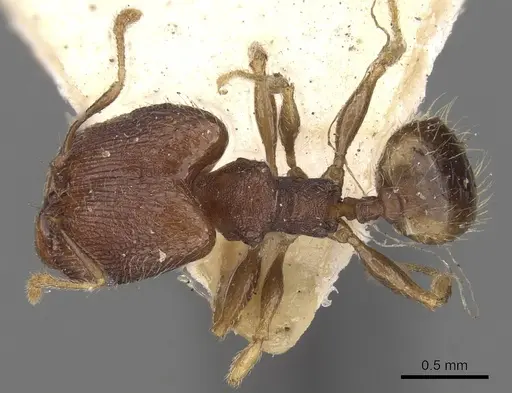
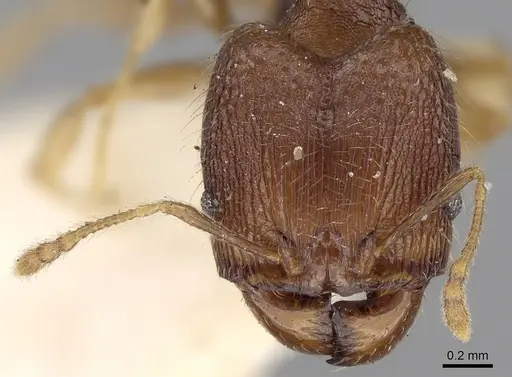
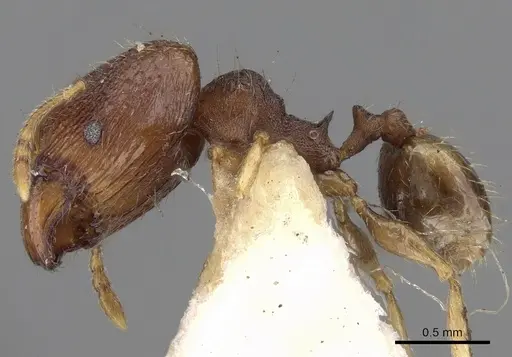
CASENT0281701
Visualizza su AntWeb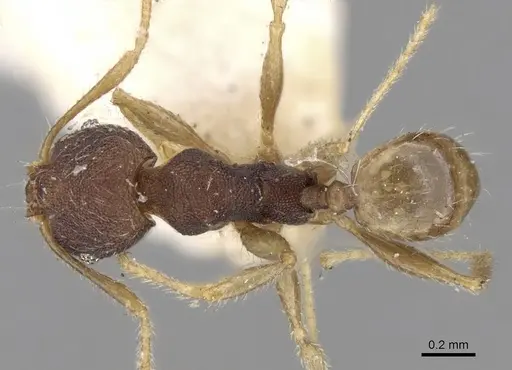
CASENT0908003
Visualizza su AntWeb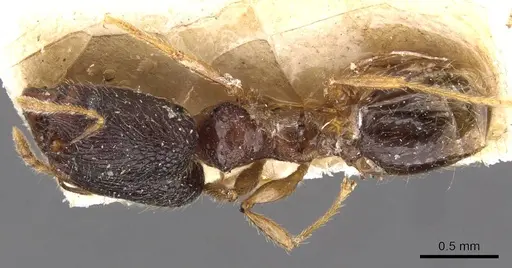
CASENT0908004
Visualizza su AntWeb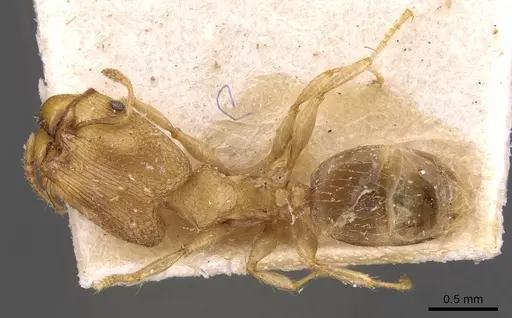
FOCOL1376
Visualizza su AntWeb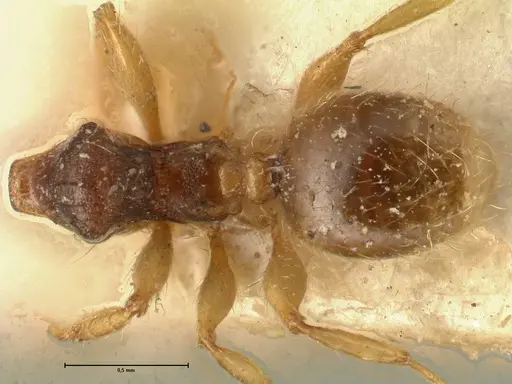
Letteratura
Caricamento mappa di distribuzione...Caricamento prodotti...