
Pheidole subaberrans
- Nom. sci.
- Pheidole subaberrans
- Tribù
- Attini
- Sottofamiglia
- Myrmicinae
- Autore
- Kusnezov, 1952
- Distribuzione
- Trovata in 0 paesi
Introduzione
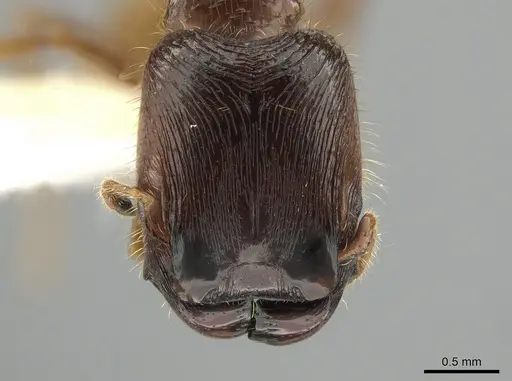
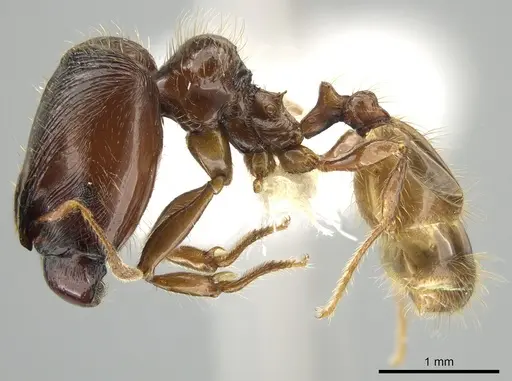
Pheidole subaberrans is a small ant species endemic to the Yungas region of northwestern Argentina . It belongs to the Pheidole aberrans group and was first described in 1952 . Major workers have a bicolored appearance with a reddish yellow body and blackish brown frontal lobes and mandible borders, while minor workers are smaller. This species is found in premontane and basal forest zones of the Yungas cloud forests . An interesting aspect is its role as prey for toads in the Yungas ecosystem, with studies showing it is a significant food source for Melanophryniscus toads .
Quick Summary
- Difficulty: Hard
- Origin & Habitat: Endemic to the Yungas cloud forests of northwestern Argentina (Tucumán and Salta provinces), found at elevations from 300-1200m in premontane and basal forest zones [1][2].
- Colony Type: Colony structure is unconfirmed, Pheidole species are typically monogyne (single queen) but this has not been documented for subaberrans specifically.
- Size & Growth:
- Queen: Size data unavailable
- Worker: Size data unavailable
- Colony: Unknown, typical Pheidole colonies can reach up to thousands of workers over time
- Growth: Unknown
- Development: Based on genus patterns, may take 6-10 weeks at warm temperatures (No species-specific data available, estimates based on Pheidole genus patterns)
- Antkeeping:
- Temperature: Based on Yungas habitat, aim for moderate temperatures around 20-24°C, with a gradient if possible [1][2].
- Humidity: Provide a humidity gradient, mostly dry nest chamber with one small moist area, based on montane cloud forest habitat [1][2].
- Diapause: Unknown, based on subtropical latitude, diapause may not be required, but unstudied.
- Nesting: No specific data, use standard Myrmicinae setups like test tubes for founding and Y-tong or plaster nests for established colonies.
- Behavior: Pheidole species are generally non-aggressive, with majors serving as defensive soldiers. Based on genus patterns, escape risk is moderate for minors and low for majors. Standard escape prevention with Fluon or tight lids is recommended.
- Common Issues: no established care protocols exist for this species, wild-caught colonies may harbor unknown parasites or diseases, care must be adjusted based on colony response due to lack of species-specific data, test tube setups must be monitored to prevent flooding, which can kill colonies
Species Discovery and Nomenclature
Pheidole subaberrans was first described by Kusnezov in 1952 from Argentina. The species name 'subaberrans' means 'almost aberrans', referring to its similarity to the related species Pheidole aberrans. It was originally placed in the subgenus Elasmopheidole, though modern taxonomy typically treats this as part of the larger Pheidole genus. The type specimens were collected from Tucumán and later studied by Wilson in 2003 as part of his revision of New World Pheidole species [3].
Distribution and Endemism
This is a highly restricted endemic species found only in the Yungas of northwestern Argentina. Within the Yungas, P. subaberrans has been recorded from premontane forest (300-600m elevation) and basal forest (900-1200m elevation) [2]. This restricted distribution makes it particularly vulnerable to habitat loss.
Ecological Role in the Yungas
In the Yungas ecosystem, Pheidole species play roles as predators and scavengers. Research shows P. subaberrans is a significant prey item for two toad species in the genus Melanophryniscus [4]. This indicates the species is common in its habitat and actively forages on the forest floor.
Keeping an Undescribed Species
Pheidole subaberrans represents a challenge as there are no established care protocols. If you obtain a colony, start with standard Pheidole care: test tube setups for founding, keeping them at room temperature (20-24°C), and offering sugar water and small protein sources. Document your observations to contribute to antkeeping knowledge.
Housing Recommendations
For founding colonies, use test tube setups with a water reservoir and cotton plug. Once the colony reaches workers, consider moving to a formicarium like Y-tong or plaster nests. Provide a humidity gradient based on their natural habitat. Standard escape prevention is recommended.
Frequently Asked Questions
How do I care for Pheidole subaberrans ants?
Care is unestablished since this species has never been kept in captivity. Start with standard Pheidole protocols: test tube for founding, room temperature (20-24°C), moderate humidity, and offer sugar water plus small protein sources [1][2].
What do Pheidole subaberrans eat?
No specific dietary data exists. Based on typical Pheidole behavior, they likely accept sugar sources and protein from small insects. Start with these standard foods and observe what your colony accepts.
How long does it take for Pheidole subaberrans to develop from egg to worker?
Unknown, no species-specific development data exists. Based on typical Pheidole genus patterns, expect 6-10 weeks at warm temperatures.
Are Pheidole subaberrans good for beginners?
No, this is not recommended for beginners due to lack of established care protocols. Only experienced antkeepers should attempt this species.
Where is Pheidole subaberrans found?
This species is endemic to the Yungas cloud forests of northwestern Argentina, specifically Tucumán and Salta provinces, at elevations between 300-1200m [1][2].
How big do Pheidole subaberrans colonies get?
Unknown, no colony size data exists for this species. Based on typical Pheidole patterns, colonies likely reach up to thousands of workers over several years.
Do Pheidole subaberrans need hibernation?
Unknown. The Yungas region has mild winters, so they may have reduced activity in cooler months but true hibernation requirements are unstudied.
Can I keep multiple Pheidole subaberrans queens together?
Not recommended without data. Pheidole species are typically single-queen, and combining unrelated queens carries unknown risks.
What temperature should I keep Pheidole subaberrans at?
No specific data exists. Based on Yungas habitat, aim for moderate temperatures around 20-24°C [1][2].
Report an Issue
The current care sheet is based fully on literature. See inconsistencies, or something that's incorrect? Please , it will be resolved after review from an admin. Contributing to the blogs tab also helps providing information, to make us be able to further improve the caresheets. Thank you for your support!
References

Questa scheda di allevamento è concessa in licenza con CC BY-SA 4.0 .
Blog della comunità
CASENT0645972
Visualizza su AntWeb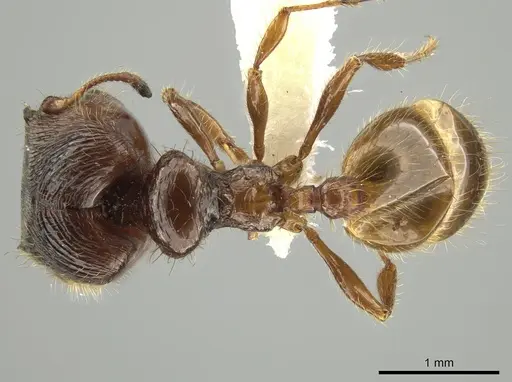
Letteratura
Caricamento mappa di distribuzione...Caricamento prodotti...