
Pheidole sepulchralis
- Nom. sci.
- Pheidole sepulchralis
- Tribù
- Attini
- Sottofamiglia
- Myrmicinae
- Autore
- Bingham, 1903
- Distribuzione
- Trovata in 0 paesi
Introduzione
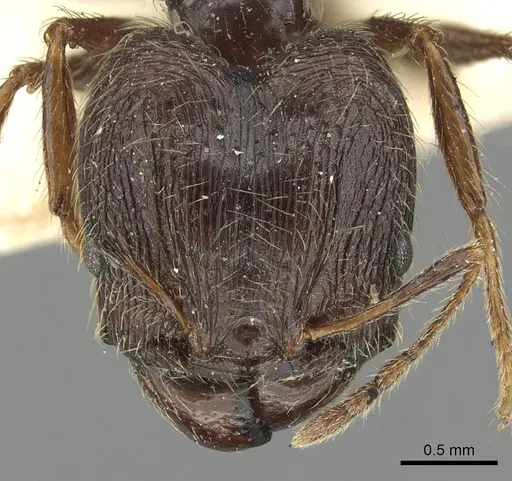
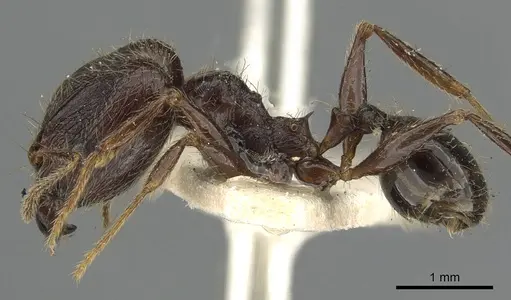
Pheidole sepulchralis is a small ant species native to India, first described by Bingham in 1903 . Like all Pheidole species, they have two worker castes: minor workers and major workers with enlarged heads . They are part of the Myrmicinae subfamily and Attini tribe . Size data for this species is unavailable, but based on Pheidole genus patterns, queens are typically 6-9 mm, minor workers 2-3 mm, and major workers 4-6 mm. They are ground-nesting ants found in tropical and subtropical areas of India . A key feature of Pheidole sepulchralis is their seed-eating habits combined with hunting small insects, typical of many Pheidole species .
Quick Summary
- Difficulty: Easy
- Origin & Habitat: India (Indomalaya Region), found in tropical and subtropical areas of the Indian subcontinent [1][2]
- Colony Type: Based on Pheidole genus patterns, likely monogyne (single-queen colonies) [2]
- Size & Growth:
- Queen: Inferred from Pheidole genus: ~6-9 mm [2]
- Worker: Inferred from Pheidole genus: minor workers ~2-3 mm, major workers ~4-6 mm [2]
- Colony: Up to several hundred workers, inferred from Pheidole genus patterns [2]
- Growth: Moderate, inferred from genus patterns [2]
- Development: Estimated 6-8 weeks at optimal temperature, inferred from Pheidole genus patterns [2] (Development time may vary based on temperature and care conditions.)
- Antkeeping:
- Temperature: Keep warm, roughly 24-28°C, based on tropical origin [2]
- Humidity: Maintain moderate humidity, keep substrate slightly moist but not waterlogged [2]
- Diapause: No diapause required, as species is from tropical India [2]
- Nesting: Ground-nesting species, use Y-tong, plaster, or soil nests with snug chambers scaled to their size [2]
- Behavior: Generally peaceful, with major workers defending the colony if threatened. Moderate escape risk due to small size, use barrier methods like Fluon [2]
- Common Issues: colonies may decline if kept too cold, maintain warm temperatures year-round [2], small colony size during founding phase requires patience, avoid disturbing queens [2], escape prevention is important for minor workers, use fine mesh barriers [2], mold can become an issue if the nest is too wet, balance moisture carefully [2]
Housing and Nest Setup
You can keep Pheidole sepulchralis in standard ant housing. For founding colonies, use a test tube setup with water and cotton [2]. Once the colony has 20-30 workers, move to a formicarium like Y-tong or plaster nests, which provide tight chambers [2]. For the outworld, use a smooth-walled container with barriers like Fluon to prevent escapes [2].
Feeding and Diet
Pheidole sepulchralis is omnivorous. Offer small insects like fruit flies or mealworms for protein, and seeds like millet for additional nutrition [2]. Provide sugar water or honey as a carbohydrate source [2]. Feed protein 2-3 times per week and remove uneaten food to prevent mold [2].
Temperature and Heating
Keep the nest at 24-28°C for optimal activity [2]. Use a heating mat on one side to create a gradient, but avoid direct heat on the nest [2]. Room temperature is acceptable, but avoid cold rooms below 18°C [2].
Humidity and Water
Maintain moderate humidity, the substrate should feel slightly moist but not soggy [2]. In test tubes, moisture comes from the water reservoir [2]. In formicariums, mist occasionally or use a water reservoir [2].
Colony Development and Growth
Queens may seal themselves in during founding, but founding behavior is unconfirmed [2]. First workers emerge in about 6-8 weeks at optimal temperature [2]. Major workers appear later as the colony grows [2]. Growth is moderate, reaching several hundred workers over time [2].
Behavior and Colony Structure
Minor workers handle foraging and brood care, while major workers defend the nest and process large food [2]. The colony is generally peaceful, with majors defending if disturbed [2]. Escape risk is moderate due to small size [2].
Frequently Asked Questions
How long does it take for Pheidole sepulchralis to produce first workers?
At optimal temperature, first workers may emerge in about 6-8 weeks, based on Pheidole genus patterns [2].
Can I keep multiple Pheidole sepulchralis queens together?
This species is likely monogyne, so keeping multiple queens is not recommended [2].
What do Pheidole sepulchralis eat?
They are omnivorous, offer small insects for protein and seeds for nutrition, with sugar water always available [2].
What temperature do Pheidole sepulchralis need?
Keep them warm at 24-28°C, based on their tropical origin [2].
Do Pheidole sepulchralis need hibernation?
No, they do not require diapause as they are from tropical India [2].
When should I move Pheidole sepulchralis to a formicarium?
Move them once the colony has 20-30 workers, using Y-tong or plaster nests [2].
How big do Pheidole sepulchralis colonies get?
Colonies can reach up to several hundred workers, inferred from Pheidole genus patterns [2].
Are Pheidole sepulchralis good for beginners?
Yes, they are considered easy to keep, with moderate care requirements [2].
Why are my Pheidole sepulchralis dying?
Common causes include cold temperatures, improper humidity, or mold from uneaten food [2].
Report an Issue
The current care sheet is based fully on literature. See inconsistencies, or something that's incorrect? Please , it will be resolved after review from an admin. Contributing to the blogs tab also helps providing information, to make us be able to further improve the caresheets. Thank you for your support!
References

Questa scheda di allevamento è concessa in licenza con CC BY-SA 4.0 .
Blog della comunità
CASENT0901516
Visualizza su AntWeb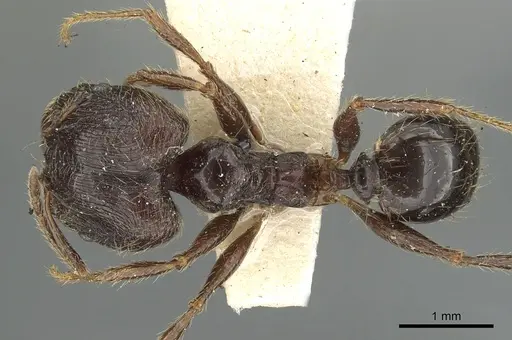
Letteratura
Caricamento mappa di distribuzione...Caricamento prodotti...