
Pheidole pullula
- Nom. sci.
- Pheidole pullula
- Tribù
- Attini
- Sottofamiglia
- Myrmicinae
- Autore
- Santschi, 1911
- Distribuzione
- Trovata in 0 paesi
Introduzione
Pheidole pullula is a Neotropical ant species native to central Argentina, recorded from Buenos Aires and Córdoba regions . It belongs to the tristis group, characterized by a distinctive promesonotum shape . Body size measurements are not available in the literature, but based on Pheidole genus patterns, workers exhibit a major-minor caste system with majors having enlarged heads for defense and food processing. In captivity, colonies show a clear division of labor where minor workers handle foraging and brood care, while majors defend the nest and process hard foods like seeds.
Quick Summary
- Difficulty: Easy
- Origin & Habitat: Central Argentina (Buenos Aires and Córdoba regions), found in Eucalyptus plantations [1].
- Colony Type: Unconfirmed, but likely monogyne based on Pheidole genus patterns.
- Size & Growth:
- Queen: Size data unavailable, inferred from Pheidole genus as ~6-8 mm
- Worker: Size data unavailable, inferred from Pheidole genus, with minors smaller and majors larger
- Colony: Up to a few thousand workers, estimated from genus patterns
- Growth: Moderate, estimated
- Development: 6-10 weeks, estimated based on genus patterns (Temperature dependent, warmer conditions accelerate development.)
- Antkeeping:
- Temperature: Keep at 22-26°C, inferred from habitat in Argentina [1].
- Humidity: Keep nest substrate moderately moist with some drier areas, inferred from adaptation to modified habitats [1].
- Diapause: Unknown, no specific data available.
- Nesting: Prefer soil or rotting wood nests, inferred from genus patterns. Use Y-tong, plaster, or test tube setups.
- Behavior: Generally peaceful and non-aggressive. Minors forage, majors defend. Low escape risk due to size, but small minors can squeeze through gaps. Majors can sting if handled roughly.
- Common Issues: temperature fluctuations can stress the colony and slow development., inadequate humidity can dry out the nest substrate and harm brood., small minor workers can escape through tiny gaps if prevention is not adequate.
Housing and Nest Setup
You can house Pheidole pullula in standard antkeeping setups. For founding colonies, use a test tube with a water reservoir stopped with cotton. Once the colony reaches 20-30 workers, move them to a formicarium. Based on Pheidole genus patterns, they typically nest in soil or wood [3]. Y-tong (AAC) nests, plaster nests, or naturalistic soil setups work well. Ensure the nest has a humid chamber and a drier area for self-regulation. Connect the nest to an outworld using tubing. Escape prevention is important, small minors can squeeze through gaps, so secure all connections.
Feeding and Diet
Pheidole pullula is omnivorous. Offer sugar sources like honey or sugar water once or twice a week, and protein such as small insects or seeds. Based on Pheidole genus patterns, minors forage and recruit majors to process hard foods [3]. Remove uneaten protein after 24-48 hours to prevent mold.
Temperature and Seasonal Care
Maintain temperatures between 22-26°C for optimal development, inferred from their habitat in Argentina [1]. During winter, if the colony shows reduced activity, you can reduce temperatures to 15-18°C for 2-3 months, but this is not required as diapause is unconfirmed.
Colony Development and Growth
The queen will lay eggs and seal herself in a chamber during founding, but founding behavior is unconfirmed. First workers emerge 6-10 weeks after founding, estimated based on genus patterns. Once workers emerge, the colony grows as workers forage. Growth is moderate, and colonies can reach up to a few thousand workers over time.
Behavior and Observation
Minor workers handle most tasks like foraging and brood care, while majors defend and process food. This division of labor is typical of Pheidole genus [3]. The species is generally peaceful, with low aggression toward keepers.
Frequently Asked Questions
How long does it take for Pheidole pullula to have first workers?
First workers typically emerge 6-10 weeks after founding, estimated based on genus patterns. Warmer temperatures speed development.
What do Pheidole pullula eat?
They are omnivorous. Offer sugar water or honey as a constant energy source, and protein like small insects or seeds 1-2 times per week.
What temperature do Pheidole pullula need?
Keep them at 22-26°C, inferred from their habitat in Argentina [1].
Are Pheidole pullula good for beginners?
Yes, they are considered easy to keep. They are resilient and accept a variety of foods, but care is based on genus patterns due to limited species-specific data.
How big do Pheidole pullula colonies get?
Colony size is not documented, but based on genus patterns, they can reach up to a few thousand workers.
Do Pheidole pullula need hibernation?
Diapause is unconfirmed. If the colony shows reduced activity in winter, you can reduce temperatures, but it is not required.
Can I keep multiple Pheidole pullula queens together?
This is not recommended, as the colony type is likely monogyne. Combining queens has not been studied and may lead to fighting.
What size nest do I need for Pheidole pullula?
Start with a test tube for founding. Once the colony reaches 20-30 workers, move to a Y-tong or small formicarium. Ensure appropriate chamber sizes and humidity control.
Why are my Pheidole pullula not growing?
Check temperature (22-26°C), humidity, and protein offerings. Slow growth can be normal, and overfeeding may cause mold.
Report an Issue
The current care sheet is based fully on literature. See inconsistencies, or something that's incorrect? Please , it will be resolved after review from an admin. Contributing to the blogs tab also helps providing information, to make us be able to further improve the caresheets. Thank you for your support!
References

Questa scheda di allevamento è concessa in licenza con CC BY-SA 4.0 .
Blog della comunità
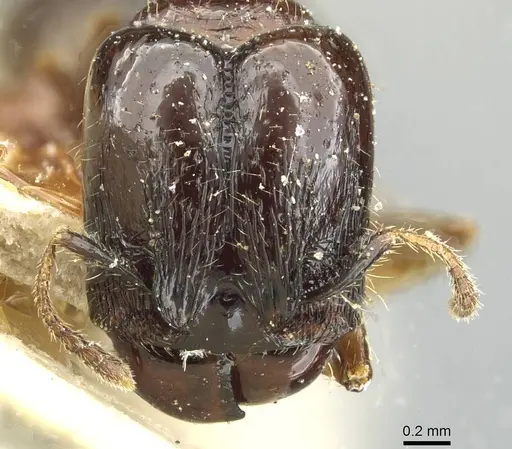
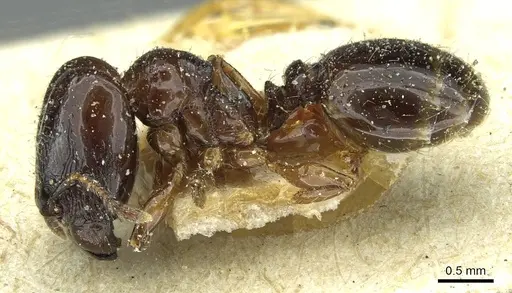
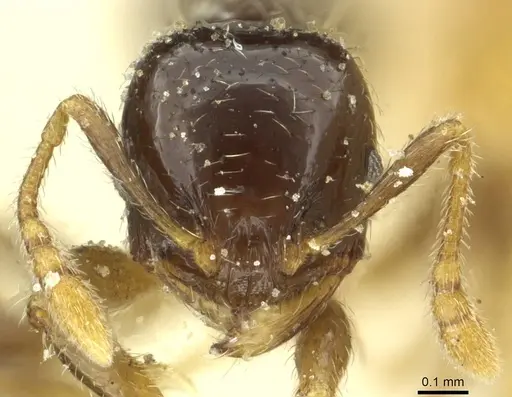
CASENT0913443
Visualizza su AntWeb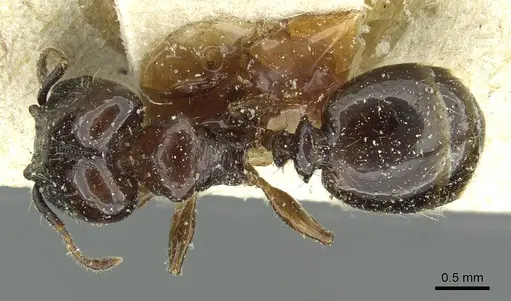
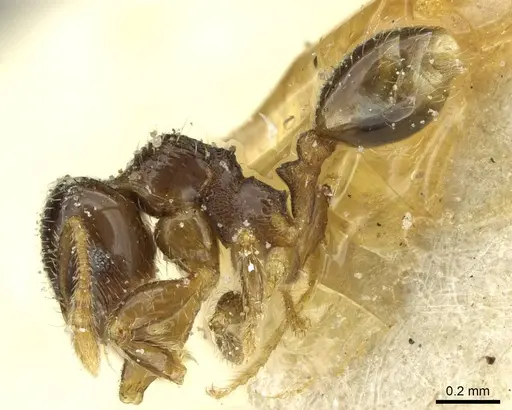
CASENT0913444
Visualizza su AntWeb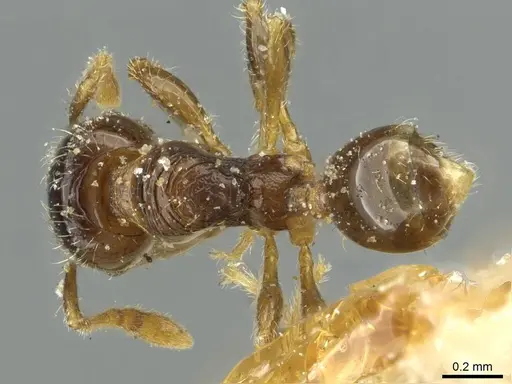
Letteratura
Caricamento mappa di distribuzione...Caricamento prodotti...