
Pheidole pronotalis
- Nom. sci.
- Pheidole pronotalis
- Tribù
- Attini
- Sottofamiglia
- Myrmicinae
- Autore
- Forel, 1902
- Distribuzione
- Trovata in 0 paesi
Introduzione
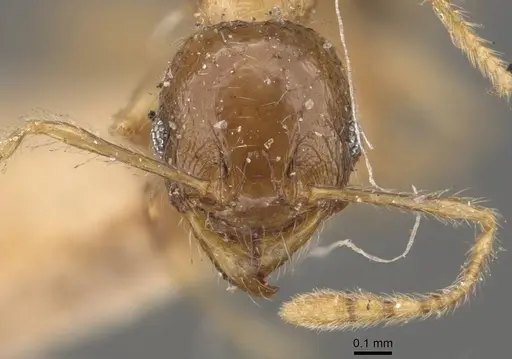
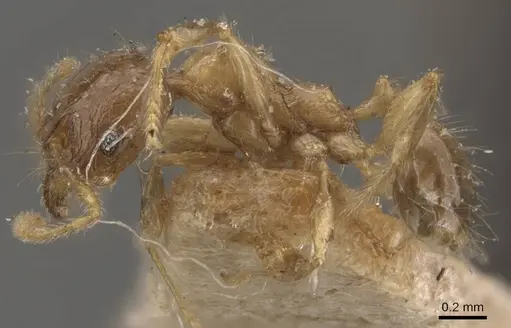
Pheidole pronotalis is a small ant native to South Asia, with workers measuring 3-4mm in body length . They have a distinctive appearance: the head is longer than the body, smooth and shining, with small eyes and a yellowish-brown coloration . Found in India, Pakistan, and Sri Lanka, they inhabit grasslands, agricultural fields, and disturbed areas up to 1500 meters elevation . These ants are scavengers and decomposers, thriving in human-modified landscapes like roadsides and garbage heaps . They are adaptable to various environments and play a key role in nutrient cycling by consuming organic waste.
Quick Summary
- Difficulty: Easy
- Origin & Habitat: India, Pakistan, and Sri Lanka in grasslands, agricultural fields, and disturbed areas up to 1500 meters elevation [2][3][4][1].
- Colony Type: Based on Pheidole genus patterns, likely monogyne (single queen colonies), but this is not confirmed for this species.
- Size & Growth:
- Queen: Estimated 6-8mm based on typical Pheidole genus dimensions (inferred)
- Worker: 3-4mm [1]
- Colony: Up to several hundred workers (estimated)
- Growth: Moderate
- Development: Estimated 6-8 weeks at optimal temperatures (inferred from genus patterns) (Development time may vary with temperature and colony conditions)
- Antkeeping:
- Temperature: Keep at room temperature, roughly 22-26°C. They can tolerate a range from 20-30°C based on their natural distribution [2].
- Humidity: Provide a humidity gradient with slightly moist substrate, as they are found in various habitats [1].
- Diapause: Based on their subtropical range, they may not require true hibernation, but a mild winter rest period could be beneficial (inferred).
- Nesting: Test tube setups work for founding, once established, Y-tong or plaster nests with small chambers are suitable (inferred from genus preferences).
- Behavior: Generally peaceful and non-aggressive toward keepers, active foragers with majors likely defending the colony (inferred from genus patterns). Escape prevention is important due to their small size.
- Common Issues: temperature drops can stall colony growth, maintain stable warmth, overfeeding can lead to mold in nest setups, remove uneaten food, wild-caught colonies may have parasites, quarantine and observe new colonies
Housing and Nest Setup
Use a test tube setup for founding colonies with a water reservoir. Once the colony has 20-30 workers, move to a permanent formicarium. Y-tong or plaster nests with small chambers work well, as these ants prefer compact spaces [1]. Always provide an outworld for foraging.
Feeding and Diet
As scavengers, they accept a wide variety of foods. Offer protein sources like small insects twice weekly, and keep sugar water or honey available at all times [1]. Remove uneaten food after 24-48 hours to prevent mold.
Temperature and Seasonal Care
Maintain temperatures between 22-26°C for optimal growth. They can tolerate 20-30°C based on their natural range [2]. In temperate climates, a mild winter rest at 15-18°C with reduced feeding may benefit the colony.
Colony Development
Colonies grow moderately, with first workers emerging after several weeks. Major workers may appear as the colony matures, indicating healthy growth (inferred from genus patterns).
Behavior and Temperament
These ants are peaceful and active foragers. They are not aggressive but may defend the nest with majors. Use standard barriers to prevent escapes due to their small size [1].
Frequently Asked Questions
How long does it take for Pheidole pronotalis to produce first workers?
Expect first workers to emerge roughly 6-8 weeks after queen lays eggs, assuming optimal temperatures around 24-26°C (inferred from genus patterns).
Can I keep multiple Pheidole pronotalis queens together?
This species is likely monogyne, so combining queens may cause fighting. Only introduce a queen to an established colony if planning fission, but success is not guaranteed.
What do Pheidole pronotalis eat?
They are omnivorous scavengers. Offer small insects for protein and sugar sources like honey [1].
What temperature is best for Pheidole pronotalis?
Keep them at 22-26°C. Room temperature is suitable, and they can tolerate 20-30°C based on their distribution [2].
Do they need hibernation or diapause?
Based on their subtropical range, they do not require true hibernation, but a mild winter rest period could be beneficial (inferred).
When do major workers appear?
Major workers may appear once the colony matures, indicating healthy growth (inferred from genus patterns).
Are Pheidole pronotalis good for beginners?
Yes, they are considered easy to keep due to their adaptability and straightforward care requirements.
How big do colonies get?
Colonies can reach up to several hundred workers under good conditions (estimated).
What nest type is best for Pheidole pronotalis?
Test tubes work for founding colonies, once established, Y-tong or plaster nests with small chambers are ideal (inferred).
Report an Issue
The current care sheet is based fully on literature. See inconsistencies, or something that's incorrect? Please , it will be resolved after review from an admin. Contributing to the blogs tab also helps providing information, to make us be able to further improve the caresheets. Thank you for your support!
References

Questa scheda di allevamento è concessa in licenza con CC BY-SA 4.0 .
Blog della comunità
CASENT0907987
Visualizza su AntWeb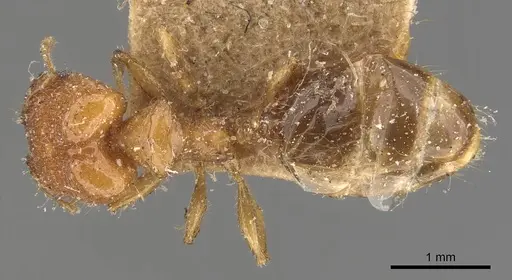
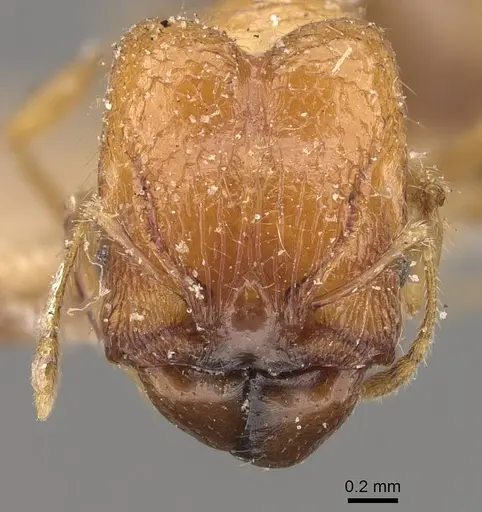
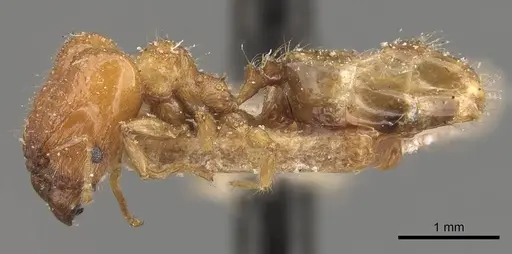
CASENT0907988
Visualizza su AntWeb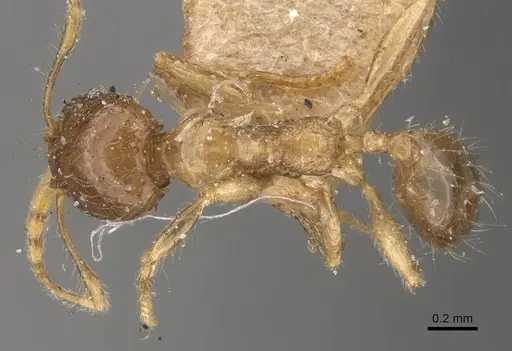
Letteratura
Caricamento mappa di distribuzione...Caricamento prodotti...