
Pheidole merimbun
- Nom. sci.
- Pheidole merimbun
- Tribù
- Attini
- Sottofamiglia
- Myrmicinae
- Autore
- Eguchi, 2001
- Distribuzione
- Trovata in 0 paesi
Introduzione
Pheidole merimbun è una specie di formicadel generePheidole , appartenente alla sottofamiglia Myrmicinae e tribù Attini . È documentato in 0 paesi .
Frequently Asked Questions
What makes Pheidole merimbun 'big-headed ants'?
Pheidole merimbun, like all species in the Pheidole genus, features two distinct worker castes: minor workers and major workers. The major workers are characterized by their disproportionately large heads and powerful mandibles, which are used for defense and processing larger food items. This unique morphology gives them the 'big-headed ant' nickname.
Are Pheidole merimbun good for beginner antkeepers?
While Pheidole merimbun can be a rewarding species to keep, their fast growth rate and need for consistent care, especially regarding temperature, humidity, and diet, might make them a 'medium' difficulty. Beginners with a good understanding of basic ant care and a willingness to monitor their colony closely should do well.
Do Pheidole merimbun queens fight each other if I have multiple?
Pheidole merimbun typically falls under polygyne species, meaning they can have multiple queens in a single colony. However, in some situations, especially if the colony is small or new, queens might exhibit aggression towards each other. As the colony grows and matures, multiple queens generally coexist peacefully, often not interacting much directly.
What's the best diet for a Pheidole merimbun colony?
These ants are omnivorous and have a high protein demand. Offer a variety of insect prey like small crickets, mealworms, and fruit flies. For carbohydrates, provide honey water or sugar water. It's recommended to feed them frequently in small amounts, removing any uneaten food promptly to prevent mold.
Do Pheidole merimbun need a hibernation period (diapause)?
Generally, Pheidole merimbun, being from tropical regions, does not require a hibernation or diapause period. They can be kept active year-round if provided with stable, warm temperatures. Some keepers opt for a cooler 'rest period' for a few months, but it's not essential for their survival or development.
How quickly do Pheidole merimbun colonies grow?
Pheidole species are known for their rapid colony growth. A healthy Pheidole merimbun colony can quickly expand from a founding queen with a few workers to thousands of individuals within a year or two, especially with optimal feeding and environmental conditions. Be prepared for regular habitat upgrades!
What kind of nest is best for Pheidole merimbun?
Pheidole merimbun thrive in formicariums that mimic their natural underground nests. Acrylic, gypsum, or sand nests with multiple chambers are excellent choices. Ensuring adequate hydration in part of the nest is crucial, and a spacious outworld for foraging is highly recommended due to their active nature.
Are Pheidole merimbun prone to escaping?
Yes, Pheidole ants, particularly the smaller minor workers, are notorious escape artists. They can squeeze through incredibly tiny gaps. It's absolutely vital to have a secure setup with a good escape barrier (like fluon or talcum powder) on the outworld edges to prevent them from exploring beyond their enclosure.
Do Pheidole merimbun sting?
No, Pheidole merimbun are not known to sting. While their major workers have impressive mandibles for defense, they typically do not pose a stinging threat to antkeepers. Their primary defense mechanism is often a powerful bite from the majors and overwhelming numbers.
What are common issues to watch out for with Pheidole merimbun?
Common challenges include mold growth from uneaten food or excessive humidity, mite infestations, and colony stalling if not fed consistently or if humidity/temperature levels fluctuate too much. Queen stress can also occur if the colony is disturbed too often. Regular cleaning and monitoring are key to preventing these issues.

Questa scheda di allevamento è concessa in licenza con CC BY-SA 4.0 .
Blog della comunità
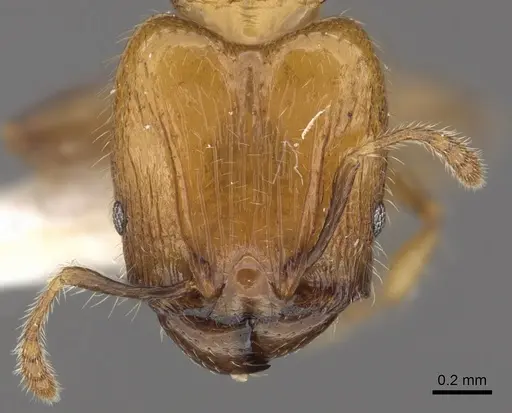
CASENT0901634
Visualizza su AntWeb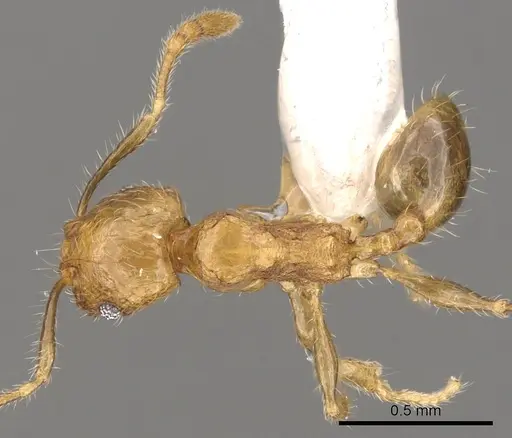
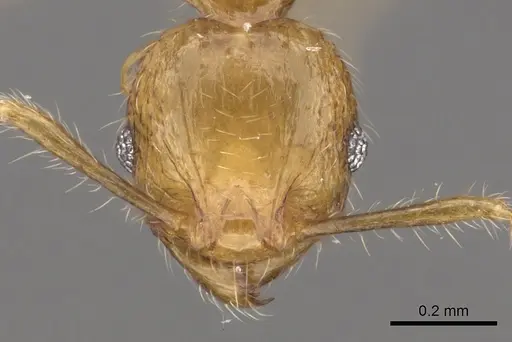
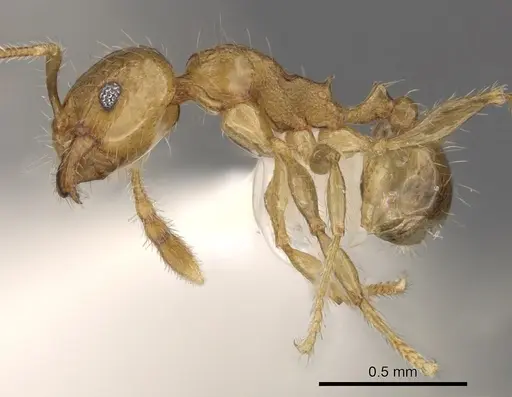
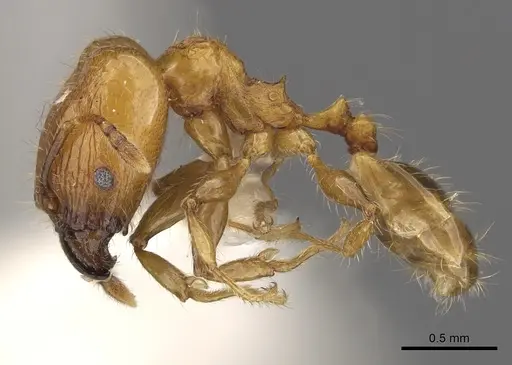
CASENT0901635
Visualizza su AntWeb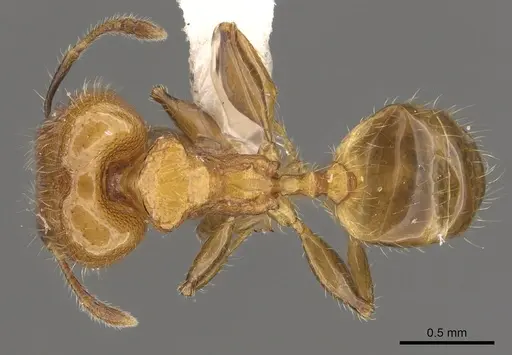
Letteratura
Caricamento mappa di distribuzione...Caricamento prodotti...