
Pheidole jacobsoni
- Nom. sci.
- Pheidole jacobsoni
- Tribù
- Attini
- Sottofamiglia
- Myrmicinae
- Autore
- Forel, 1911
- Distribuzione
- Trovata in 0 paesi
Introduzione
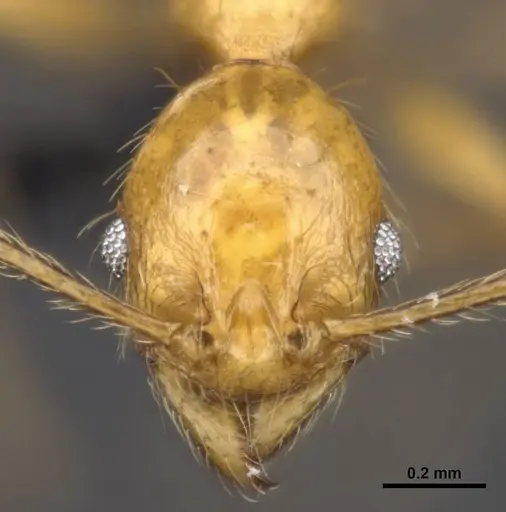
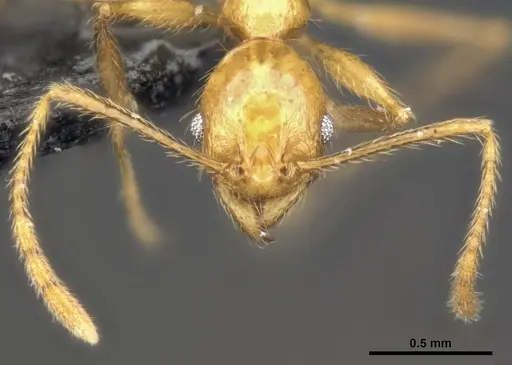
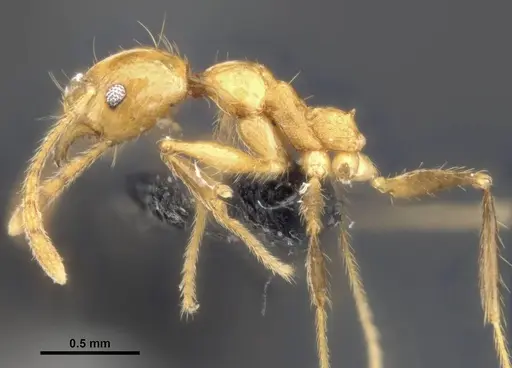
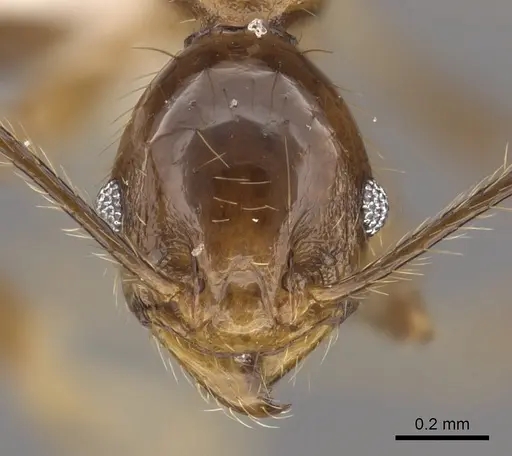
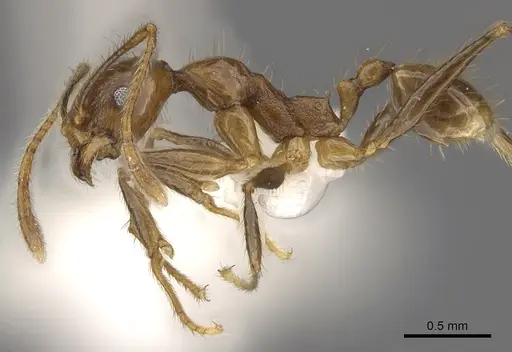
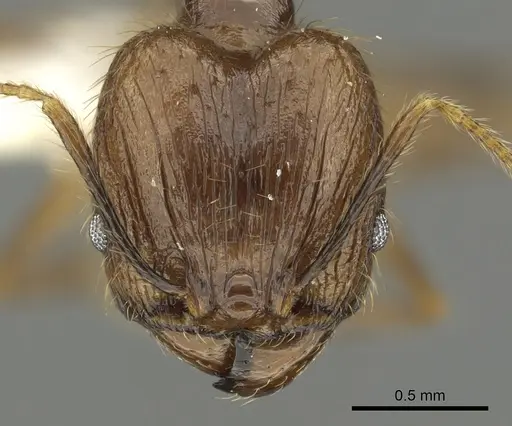
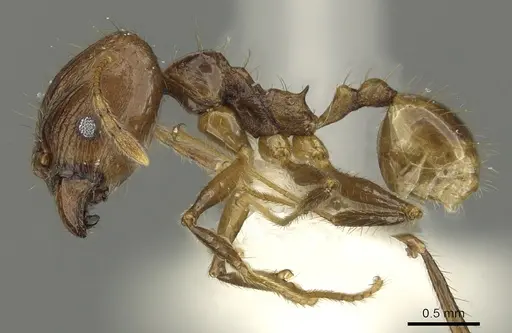
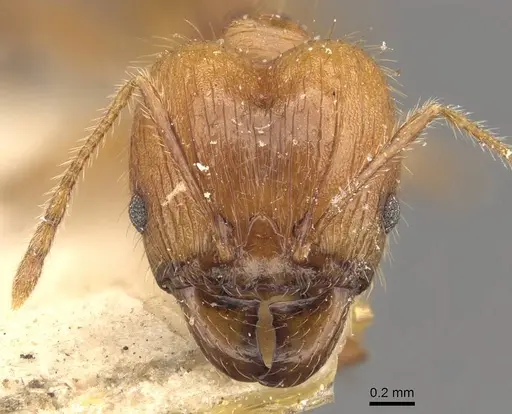
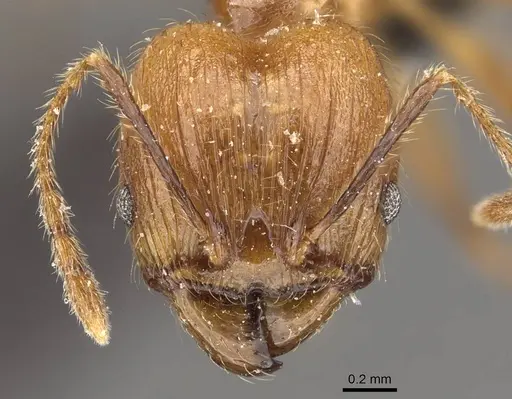
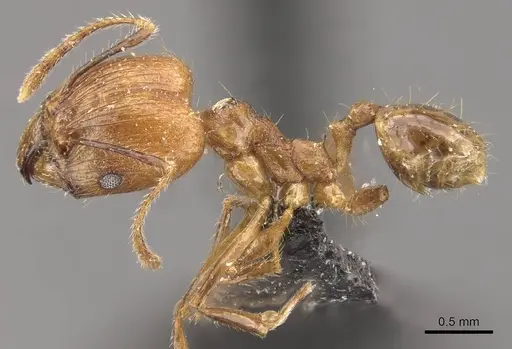
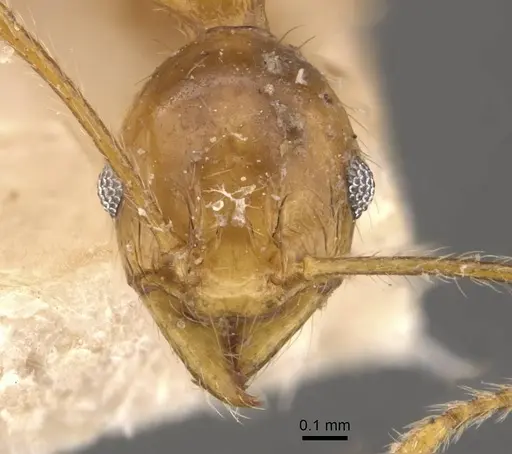
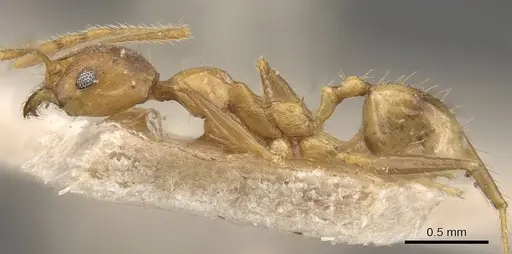
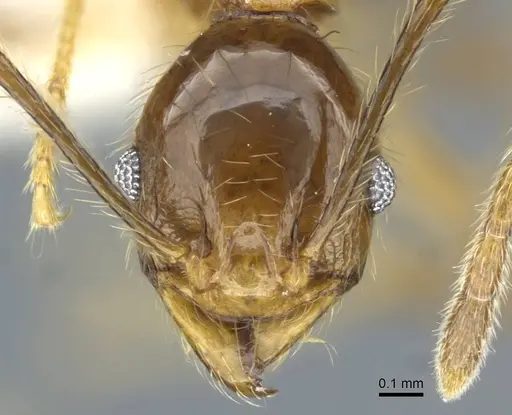
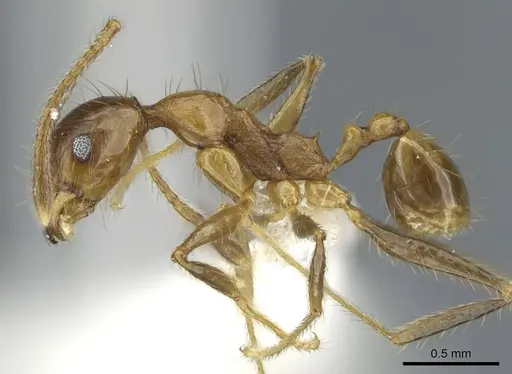
Pheidole jacobsoni is an ant species native to Southeast Asia, found in mountain regions at elevations around 1500 meters . It was elevated to species status in 2004 . The species has distinct major and minor worker castes, with majors having large heads and minors being smaller . Distribution includes Borneo, Indonesia, Malaysia, the Philippines, and Thailand . Body size data is unavailable from sources, but based on Pheidole genus patterns, workers are typically small [inferred]. Unlike many tropical ants, P. jacobsoni inhabits cooler mountain environments, making it unique for antkeepers interested in high-altitude species .
Quick Summary
- Difficulty: Medium
- Origin & Habitat: Mountain regions of Southeast Asia, specifically found at altitudes around 1500m in areas like the Cameron Highlands of Malaysia, Java, Sumatra, and the Philippines. They inhabit mountain vegetation zones rather than tropical lowlands [1][2][3].
- Colony Type: Based on Pheidole patterns, likely monogyne (single-queen colonies).
- Size & Growth:
- Queen: Size data unavailable, no total length measurements. Inferred from Pheidole genus: ~8-10mm.
- Worker: Size data unavailable, no total length measurements. Inferred from Pheidole genus: ~2-4mm.
- Colony: Up to several hundred workers.
- Growth: Moderate.
- Development: Estimated 6-8 weeks to first workers at optimal temperature. (Development time is inferred from related Pheidole species, direct observations for this specific species are not available.)
- Antkeeping:
- Temperature: Keep at cool temperatures, roughly 22-26°C, as inferred from mountain habitat.
- Humidity: Keep nest substrate consistently moist but not waterlogged, with a humidity gradient.
- Diapause: Unknown, no data on hibernation for this species [1][2].
- Nesting: In wild, nests in soil and rotting wood at mountain elevations [1][2]. In captivity, use test tube setup for founding queens, then transfer to Y-tong or plaster nests with small chambers.
- Behavior: Pheidole jacobsoni has distinct castes: majors for defense and seed-crushing, minors for foraging and brood care [1][2]. They are moderately aggressive but not dangerous to humans. Escape risk is moderate due to small minor workers, ensure fine mesh barriers.
- Common Issues: temperature stress, being a mountain species, sensitive to overheating, keep below 28°C, escape risk from small minor workers, use fine mesh and tight-fitting lids, slow founding, queens may take time to establish, overfeeding leading to mold, remove uneaten food promptly, inappropriate humidity, too dry causes brood failure, too wet causes fungal problems
Nest Preferences and Setup
Pheidole jacobsoni naturally nests in soil and rotting wood in mountain forest environments at elevations around 1500 meters [1][2]. In captivity, start with a simple test tube setup for the founding queen, fill a test tube one-third with water, plug with cotton, and place the queen in a dark, quiet location. Once the colony reaches 20-30 workers, you can move them to a Y-tong or plaster nest with small, tight chambers. Provide a shallow water foraging area and ensure the nest can be kept at stable, cool temperatures.
Feeding and Diet
Like other Pheidole species, P. jacobsoni is omnivorous with a preference for protein-rich foods. Offer protein sources like small mealworms, fruit flies, or frozen bloodworms twice weekly. They also accept sugar sources like honey or sugar water 2-3 times per week. Remove any uneaten food within 24-48 hours to prevent mold.
Temperature and Seasonal Care
As a mountain species from around 1500m elevation, they prefer cooler temperatures than most tropical ants [1][2]. Keep the nest area at 22-26°C, ideally around 24°C. Temperatures above 28°C can be stressful or fatal. During cooler months, reduce feeding slightly as metabolic activity slows.
Behavior and Colony Structure
Pheidole jacobsoni exhibits the classic Pheidole caste system with distinct major and minor workers [1][2]. Major workers have large heads for seed-crushing and defense, while minor workers handle most daily tasks [1][2]. Workers are moderately aggressive and will bite if the nest is disturbed, but they are not considered dangerous to humans.
Growth and Development
Colony development follows typical Pheidole patterns. After founding, the queen lays eggs without leaving the nest. The first workers that emerge are typically smaller and begin foraging to support further growth. Expect 6-8 weeks from founding to first workers under optimal conditions. Growth rate is moderate, a healthy colony should reach 100 workers within 6-12 months.
Frequently Asked Questions
How long does it take for Pheidole jacobsoni to have first workers?
Expect 6-8 weeks from founding to first workers emerging at optimal temperature (around 24°C). This is typical for Pheidole species.
What temperature do Pheidole jacobsoni need?
Keep them at 22-26°C, ideally around 24°C, as inferred from their mountain habitat. Avoid temperatures above 28°C as this can stress or kill the colony.
Are Pheidole jacobsoni good for beginners?
They are intermediate in difficulty. The founding stage requires patience, but once established, they are relatively straightforward to care for.
What do Pheidole jacobsoni eat?
They are omnivorous. Offer protein sources like small mealworms or fruit flies twice weekly, and sugar sources like honey 2-3 times per week.
How big do Pheidole jacobsoni colonies get?
Based on typical Pheidole patterns, colonies can reach up to several hundred workers.
Can I keep multiple Pheidole jacobsoni queens together?
Pheidole jacobsoni is likely monogyne, meaning colonies have a single queen. Combining unrelated queens will likely result in fighting.
Do Pheidole jacobsoni need hibernation?
No data on hibernation for this species [1][2]. As a Southeast Asian mountain species, they may reduce activity during cooler periods but do not require true hibernation.
When should I move Pheidole jacobsoni to a formicarium?
Keep them in a test tube setup until the colony reaches 20-30 workers. Moving too early can stress the queen and brood.
Why are my Pheidole jacobsoni dying?
Common causes include temperature stress (too hot), improper humidity, or overfeeding leading to mold. Check these parameters first and ensure escape prevention is adequate.
Report an Issue
The current care sheet is based fully on literature. See inconsistencies, or something that's incorrect? Please , it will be resolved after review from an admin. Contributing to the blogs tab also helps providing information, to make us be able to further improve the caresheets. Thank you for your support!
References

Questa scheda di allevamento è concessa in licenza con CC BY-SA 4.0 .
Blog della comunità
CASENT0284075
Visualizza su AntWeb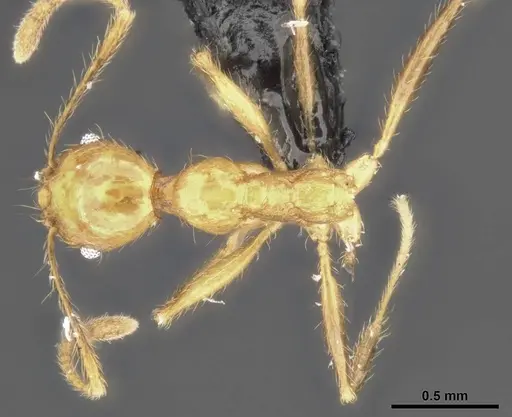
CASENT0901636
Visualizza su AntWeb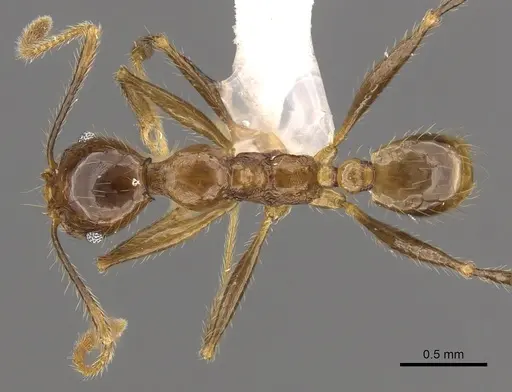
CASENT0901637
Visualizza su AntWeb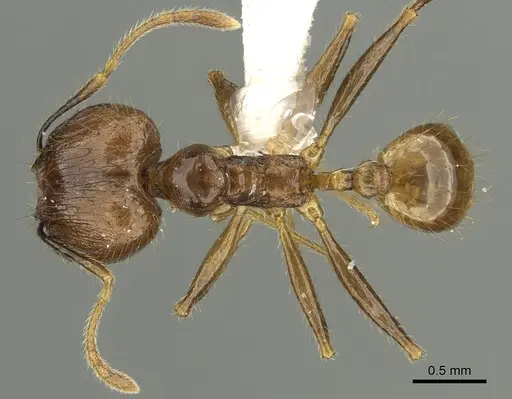
CASENT0907909
Visualizza su AntWeb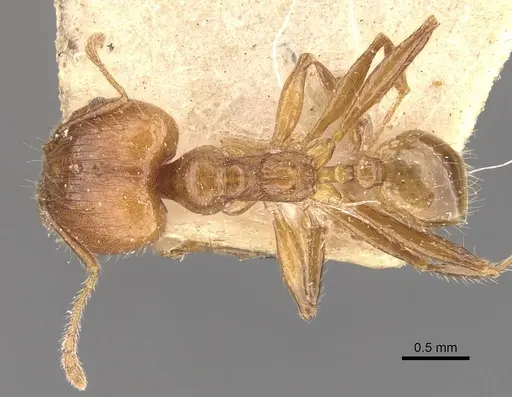
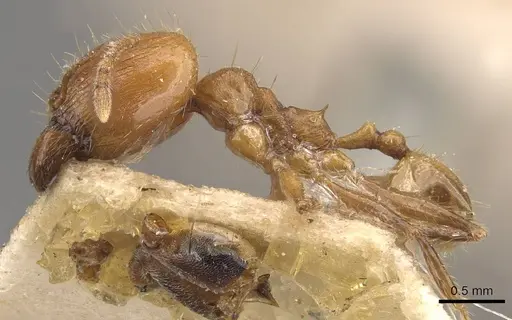
CASENT0907910
Visualizza su AntWeb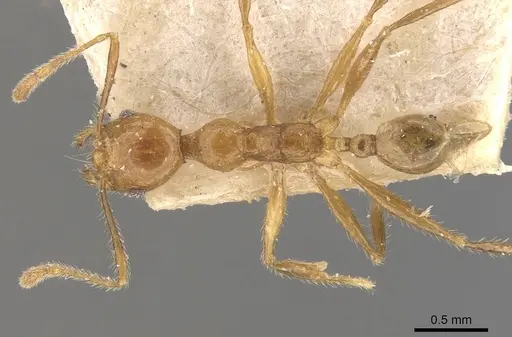
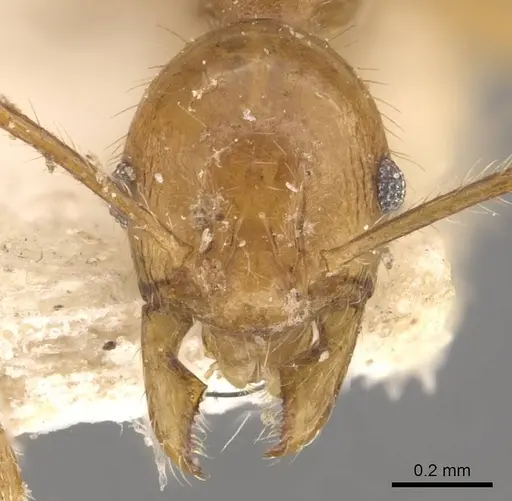
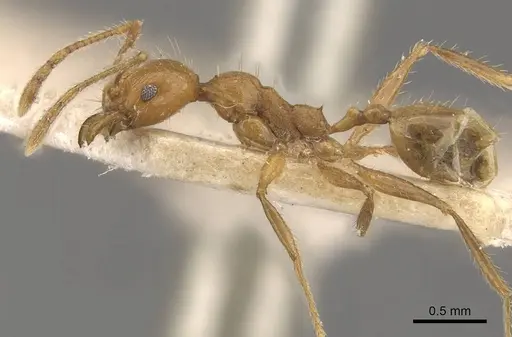
CASENT0907911
Visualizza su AntWeb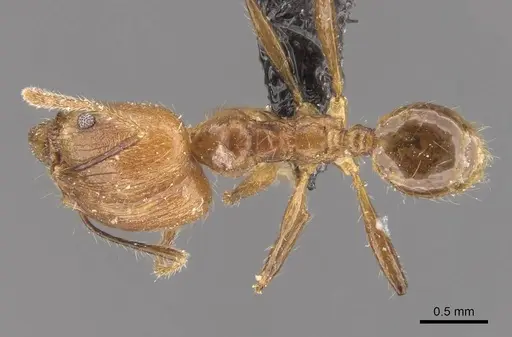
CASENT0907912
Visualizza su AntWeb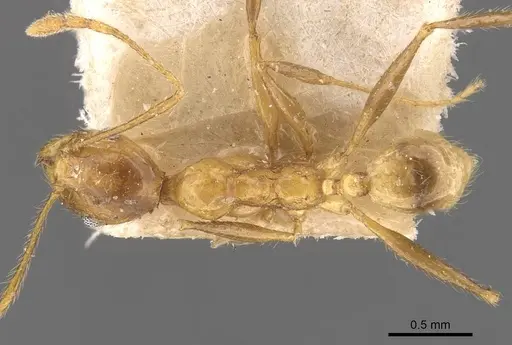
CASENT0911220
Visualizza su AntWeb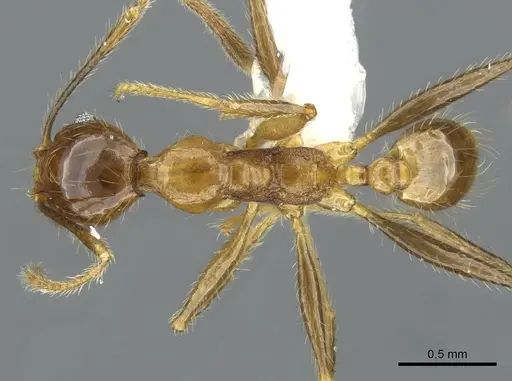
Letteratura
Caricamento mappa di distribuzione...Caricamento prodotti...