
Pheidole asperata
- Nom. sci.
- Pheidole asperata
- Tribù
- Attini
- Sottofamiglia
- Myrmicinae
- Autore
- Emery, 1895
- Distribuzione
- Trovata in 0 paesi
Introduzione
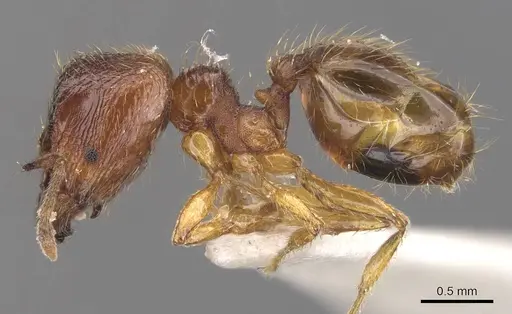
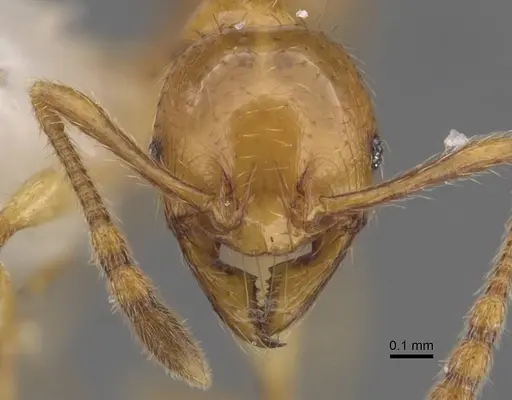
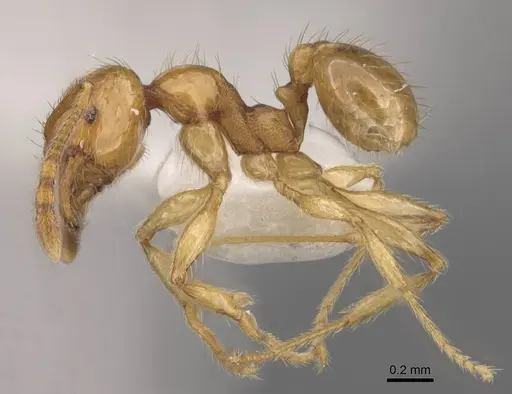
Pheidole asperata is a small to medium-sized ant species native to the Indomalaya region, found in India and Myanmar . Minors are around 2-3 mm and majors around 4-6 mm, inferred from Pheidole genus patterns . They inhabit tropical and subtropical forests, nesting in soil or under stones . Like all Pheidole, they have a dimorphic caste system with large major workers (soldiers) and smaller minor workers, which is their most distinctive feature.
Quick Summary
- Difficulty: Easy
- Origin & Habitat: Native to India and Myanmar, recorded in Himachal Pradesh [1]. They live in forest environments [2].
- Colony Type: Unconfirmed, no species-specific data on queen number.
- Size & Growth:
- Queen: ~8-10 mm, inferred from Pheidole genus [2]
- Worker: ~2-3 mm for minors, ~4-6 mm for majors, inferred from Pheidole genus [2]
- Colony: Up to several thousand workers, inferred from Pheidole genus [2]
- Growth: Moderate, inferred from genus patterns
- Development: Estimated 6-8 weeks at optimal temperature, inferred from related Pheidole species [2] (Development time is inferred from genus-level data, species-specific timing is unknown.)
- Antkeeping:
- Temperature: Keep at 22-26°C, based on tropical distribution [1][2]
- Humidity: Maintain moderate humidity, keep nest substrate moist but not waterlogged [2]
- Diapause: No, tropical species do not require diapause [1]
- Nesting: Test tube setups for founding, Y-tong or soil nests for established colonies [2]
- Behavior: Generally peaceful and non-aggressive, escape risk is moderate due to small size [2].
- Common Issues: colonies can stall if temperatures drop too low, keep warm and stable [2], overfeeding can lead to mold in test tube setups, remove uneaten food promptly [2], major production may be slow initially, this is normal for Pheidole species [2], wild-caught colonies may contain parasites, quarantine and observe new colonies, queens can be sensitive during founding, minimize disturbances
Housing and Nest Setup
For founding colonies, use a clean test tube setup with water and cotton plug for humidity [2]. Cover the tube to reduce stress. Once the colony reaches 20-30 workers, transition to a small formicarium like Y-tong or soil nests [2]. They prefer dark, humid chambers. A small outworld allows majors to process seeds. Use standard fluon barriers for escape prevention [2].
Feeding and Diet
Offer protein sources like small insects or protein jelly, and seeds for majors to process [2]. Provide sugar water or honey water. Feed protein 2-3 times per week and remove uneaten food after 24-48 hours to prevent mold [2].
Temperature and Seasonal Care
Maintain 22-26°C for optimal development [1][2]. Avoid fluctuations, use heating if needed in cooler climates. No diapause required [1].
Colony Development and Caste System
Pheidole asperata has a dimorphic caste system: minor workers handle foraging and nursing, while majors process seeds and defend [2]. Major production increases as the colony grows.
Frequently Asked Questions
How long does it take for Pheidole asperata to produce first workers?
Estimated 6-8 weeks at optimal temperature, inferred from Pheidole genus patterns [2].
Can I keep multiple Pheidole asperata queens together?
Unconfirmed, but based on typical Pheidole patterns, likely monogyne, so not recommended [2].
What should I feed my Pheidole asperata colony?
Offer small insects, protein jelly, seeds, and sugar water [2].
Are Pheidole asperata good for beginners?
Yes, they are docile and have moderate care requirements [2].
When should I move my colony to a formicarium?
Once the colony reaches 20-40 workers and the test tube is cramped [2].
How big do Pheidole asperata colonies get?
Up to several thousand workers, inferred from Pheidole genus [2].
Do Pheidole asperata need hibernation?
No, they are tropical and do not require diapause [1].
Why are my major workers not developing?
Major production increases with colony age, ensure adequate protein [2].
Report an Issue
The current care sheet is based fully on literature. See inconsistencies, or something that's incorrect? Please , it will be resolved after review from an admin. Contributing to the blogs tab also helps providing information, to make us be able to further improve the caresheets. Thank you for your support!
References

Questa scheda di allevamento è concessa in licenza con CC BY-SA 4.0 .
Blog della comunità
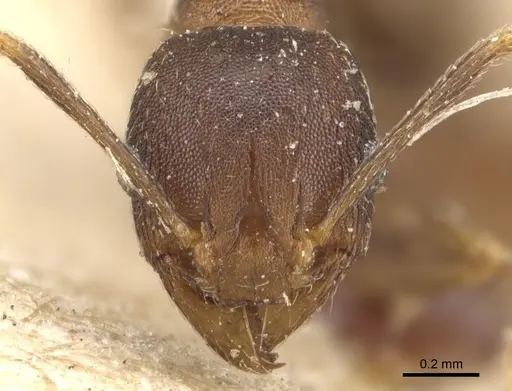
CASENT0904243
Visualizza su AntWeb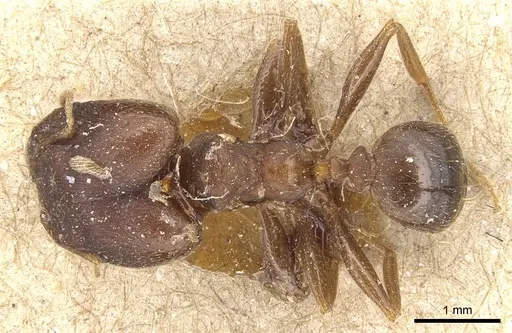
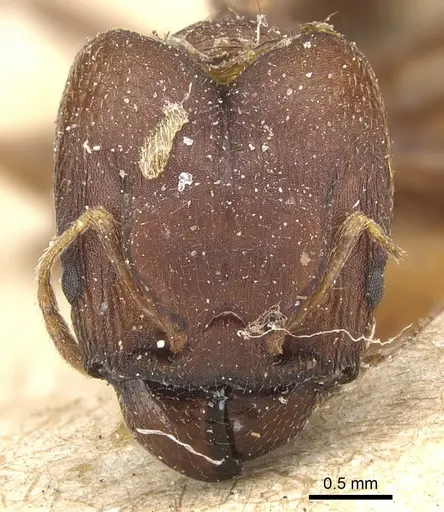
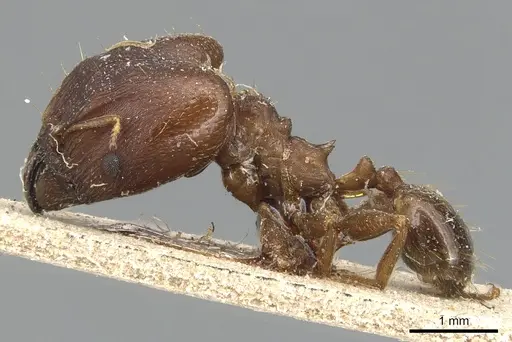
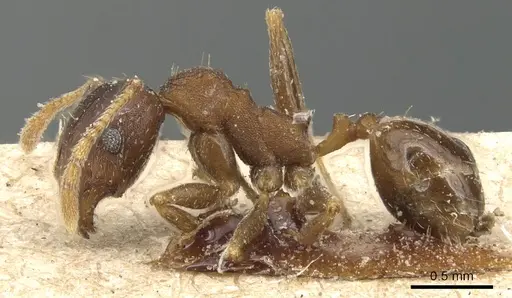
CASENT0904244
Visualizza su AntWeb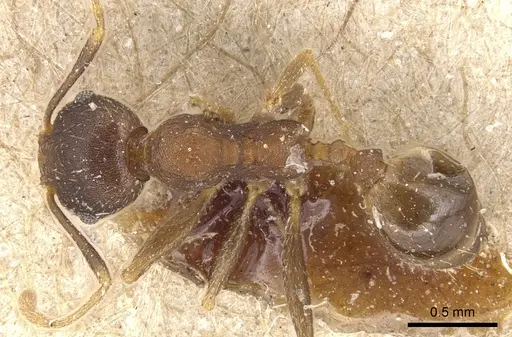
CASENT0905879
Visualizza su AntWeb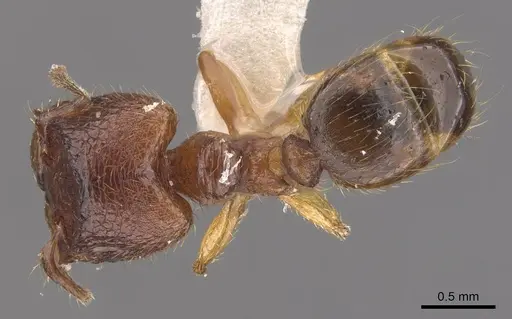
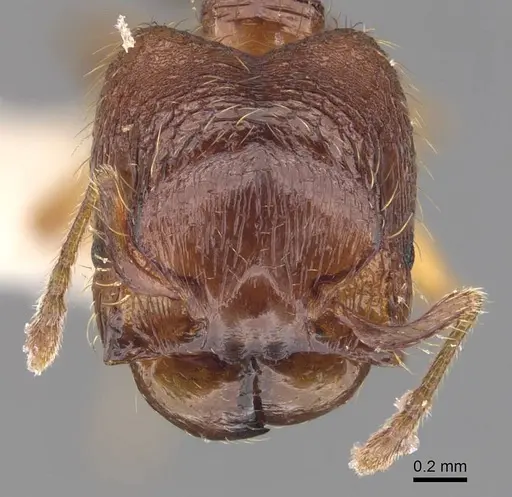
CASENT0905880
Visualizza su AntWeb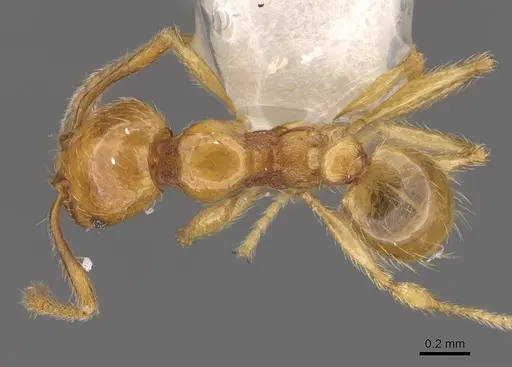
Letteratura
Caricamento mappa di distribuzione...Caricamento prodotti...