
Parasyscia afer
- Nom. sci.
- Parasyscia afer
- Sottofamiglia
- Dorylinae
- Autore
- Forel, 1907
- Distribuzione
- Trovata in 0 paesi
Introduzione
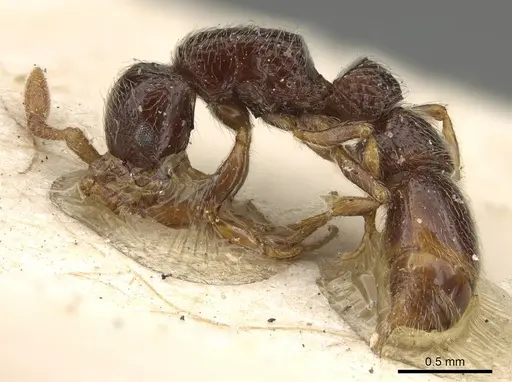
Parasyscia afer is a small ant species in the genus Parasyscia, found in the Afrotropical region . Workers are approximately 2-3mm in length, and the species inhabits forest floors, where it preys on small invertebrates . Little is known about the specific biology of Parasyscia afer, but like other Parasyscia species, it is likely a predatory ant that plays a role in controlling invertebrate populations in its ecosystem .
Quick Summary
- Difficulty: Hard
- Origin & Habitat: Afrotropical region (sub-Saharan Africa) [1]. Based on AntWiki, they nest in soil and leaf litter on forest floors [2].
- Colony Type: Colony structure is unconfirmed. No specific data on queen number or social structure for this species.
- Size & Growth:
- Antkeeping:
- Behavior: Workers are active and predatory, based on AntWiki [2]. Small size requires careful escape prevention.
- Common Issues: escape prevention is critical due to small size [2]., humidity maintenance is important for colony health [2]., lack of specific data makes care challenging.
Housing and Nest Setup
Use a small nest that maintains humidity, such as Y-tong or plaster nests [2]. Ensure tight chambers appropriate for small workers, and include a water source for humidity maintenance [2].
Feeding and Diet
Parasyscia afer is predatory and needs protein-rich food, such as small live invertebrates [2]. Offer sugar sources occasionally, but protein should be the primary diet [2].
Temperature and Humidity
Keep temperatures warm, around 24-27°C, and maintain moderate humidity [2]. Avoid drafts and ensure stable conditions [2].
Colony Development
Colony development data is unknown. Based on AntWiki, small ant colonies require patience and stable conditions [2].
Behavior and Observation
Workers are active and predatory, foraging for small invertebrates [2]. Observation is rewarding due to their small size and activity [2].
Frequently Asked Questions
How long does it take for Parasyscia afer to produce first workers?
Development time is unknown due to lack of specific data [2].
What do Parasyscia afer ants eat?
They are predatory and need protein-rich food, such as small live invertebrates [2].
Are Parasyscia afer ants good for beginners?
They are rated as hard difficulty due to small size and lack of data [2].
Do Parasyscia afer ants need hibernation?
Hibernation needs are unknown [2].
How big do Parasyscia afer colonies get?
Colony size is unknown [2].
Can I keep multiple Parasyscia afer queens together?
Colony structure is unconfirmed, so keeping multiple queens is not recommended [2].
Why is escape prevention important for Parasyscia afer?
Their small size means they can escape through tiny gaps, so careful barriers are needed [2].
What temperature is best for Parasyscia afer?
Keep them at warm temperatures, around 24-27°C, based on AntWiki [2].
How often should I feed my Parasyscia afer colony?
Feed every 2-3 days with protein-rich prey, based on AntWiki [2].
Report an Issue
The current care sheet is based fully on literature. See inconsistencies, or something that's incorrect? Please , it will be resolved after review from an admin. Contributing to the blogs tab also helps providing information, to make us be able to further improve the caresheets. Thank you for your support!
References

Questa scheda di allevamento è concessa in licenza con CC BY-SA 4.0 .
Blog della comunità
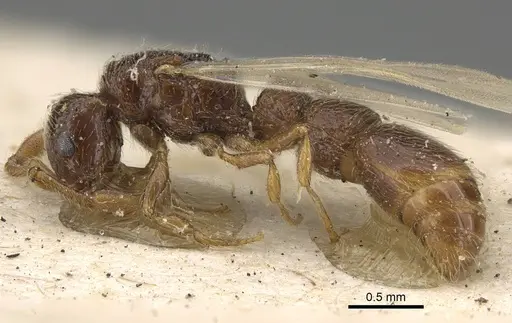
CASENT0902712
Visualizza su AntWeb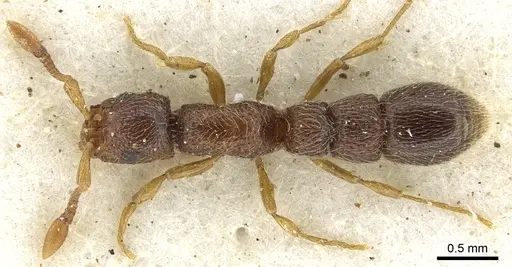
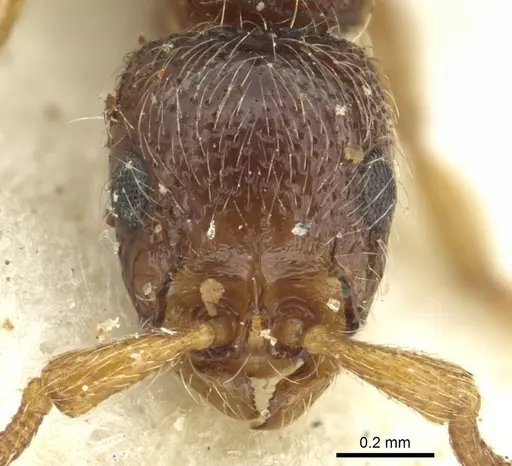
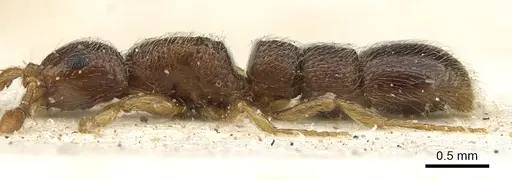
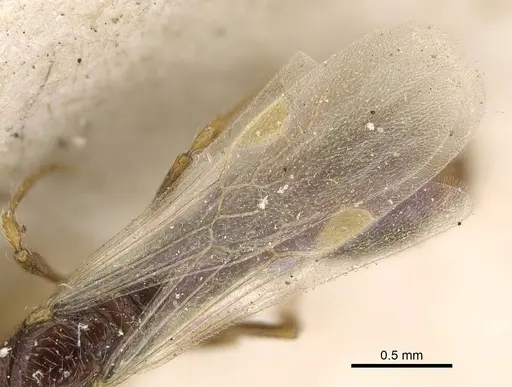
CASENT0907047
Visualizza su AntWeb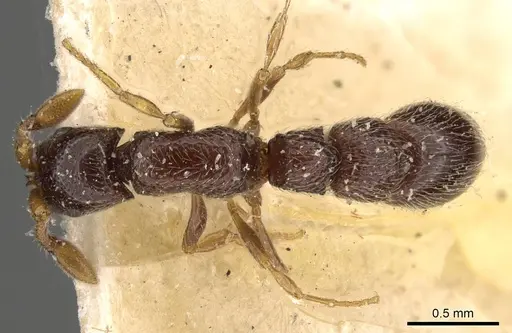
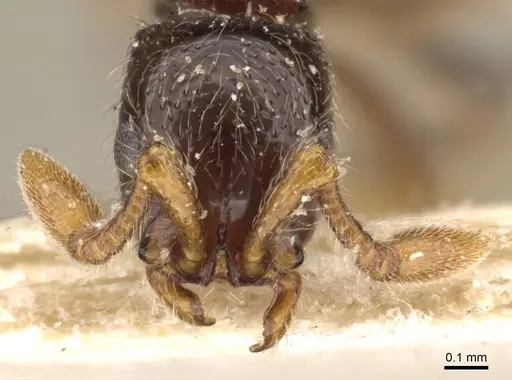
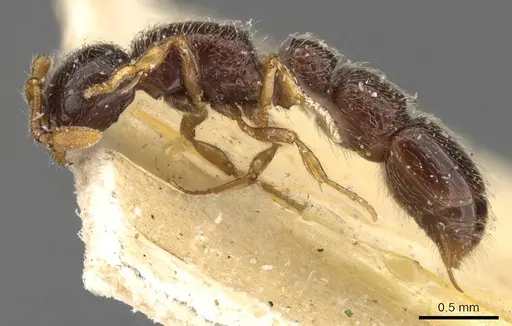
CASENT0922425
Visualizza su AntWeb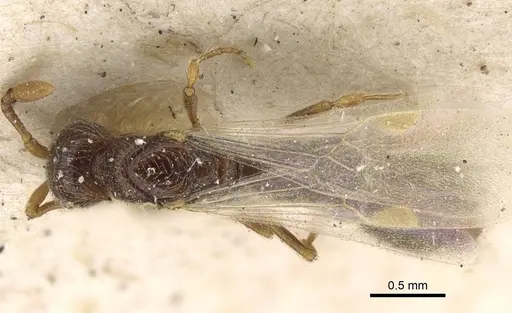
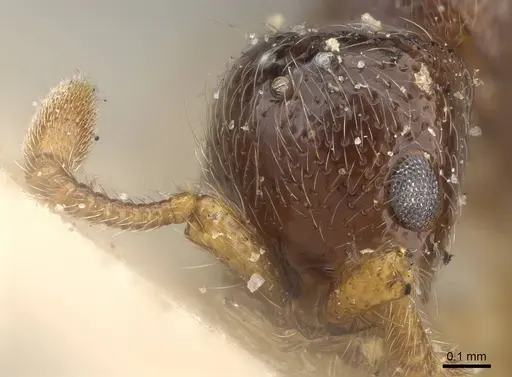
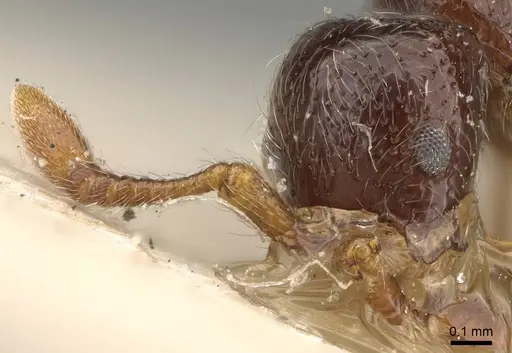
CASENT0922457
Visualizza su AntWeb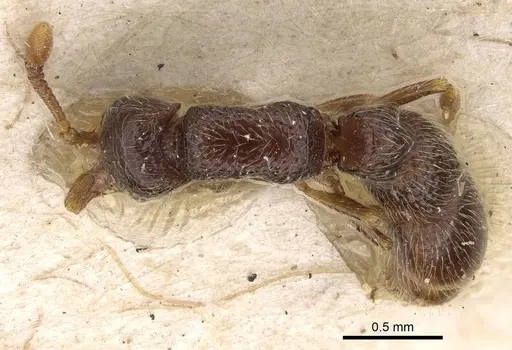
Letteratura
Caricamento mappa di distribuzione...Caricamento prodotti...