
Nylanderia tjibodana
- Nom. sci.
- Nylanderia tjibodana
- Tribù
- Lasiini
- Sottofamiglia
- Formicinae
- Autore
- Karavaiev, 1929
- Distribuzione
- Trovata in 0 paesi
Introduzione
Nylanderia tjibodana is an ant species originally described from Java, Indonesia, with a recent new record from Borneo (Brunei). Size data is unavailable for this species. It was collected in the canopy of a lowland dipterocarp forest, indicating it is a tree-dwelling species adapted to tropical rainforest conditions . The original description by Karavaiev in 1929 included both worker and queen castes. This species is notable for its canopy-dwelling behavior in tropical rainforests, which influences its care requirements in captivity .
Quick Summary
- Difficulty: Medium
- Origin & Habitat: Java, Indonesia and Brunei Darussalam (Borneo). Found in the canopy of lowland dipterocarp tropical rainforest [1].
- Colony Type: Unconfirmed, colony structure has not been documented in scientific literature.
- Size & Growth:
- Queen: size data unavailable
- Worker: size data unavailable
- Colony: Unknown
- Growth: Moderate (inferred from tropical ant patterns)
- Development: 4-8 weeks (inferred from related Nylanderia species) [2] (Development timeline is estimated based on tropical conditions, actual time may vary with temperature.)
- Antkeeping:
- Temperature: Likely 24-28°C based on tropical rainforest origin [1]. Provide a warm area in the nest around 26°C with a slight gradient.
- Humidity: High humidity required, keep nest substrate consistently moist but not waterlogged [1].
- Diapause: No, tropical species does not require hibernation [1].
- Nesting: Canopy-dwelling species [1]. In captivity, provide vertical or elevated nesting options like Y-tong (AAC) nests or test tube setups with climbing structures.
- Behavior: Based on Nylanderia genus patterns, workers are fast-moving and active foragers with erratic movement [2]. They are generalist omnivores. Escape risk is high due to small size, use excellent prevention measures.
- Common Issues: escape prevention is critical due to tiny worker size, temperature must be maintained above 24°C to avoid stress, humidity must be kept moist to prevent desiccation, limited data means care may require adjustments based on observation
Natural History and Distribution
Nylanderia tjibodana was originally described from Java, Indonesia by Karavaiev in 1929. The species was later recorded in Brunei Darussalam on Borneo, representing a new record for the island. This ant was collected from the canopy of a lowland dipterocarp forest using a canopy knockdown method, indicating it is primarily a tree-dwelling species [1]. The lowland dipterocarp forest of Borneo is a tropical rainforest ecosystem with high humidity and relatively stable warm temperatures year-round. This species' canopy habitat suggests it nests in elevated locations, possibly in tree hollows, under bark, or in epiphytic growth.
Housing and Nesting
Based on the canopy-dwelling nature of this species [1], provide nesting options that allow for vertical space and climbing. A Y-tong (AAC) formicarium is suitable for small tropical species. Include small twigs, branches, or mesh for vertical traversal. Keep the nest humid with adequate ventilation to prevent mold. Since workers are small, use excellent escape prevention with fine mesh on all openings and Fluon barriers on smooth surfaces [2].
Feeding and Diet
The specific diet of Nylanderia tjibodana has not been documented. Based on Nylanderia genus patterns, they are generalist omnivores, feeding on honeydew, nectar, small insects, and scavenged matter [2]. In captivity, offer a varied diet including sugar water or honey as an energy source, and protein sources such as small insects. Start with standard ant foods and observe what your colony accepts. Provide fresh water at all times.
Temperature and Humidity
As a tropical species from Java and Borneo [1], Nylanderia tjibodana requires warm, humid conditions. Maintain nest temperatures around 24-28°C, with an ideal target of approximately 26°C. A heating cable on one side of the nest can create a gentle gradient. High humidity is essential, keep the nest substrate consistently moist but never waterlogged [1].
Colony Care and Development
No specific development data exists for this species. Based on related Nylanderia species in tropical conditions, expect development from egg to worker to take approximately 4-8 weeks at optimal temperature [2]. The first workers (nanitics) will likely be smaller than mature workers. Colony growth is expected to be moderate. Since this species has not been kept in captivity before, monitor your colony closely for signs of stress, and adjust temperature, humidity, and feeding based on their behavior.
Frequently Asked Questions
How do I keep Nylanderia tjibodana ants?
This is a tropical canopy-dwelling species. Keep them warm (24-28°C) [1], humid [1], and provide vertical climbing structures [2]. Use a test tube setup or Y-tong nest with excellent escape prevention due to their tiny size [2].
What do Nylanderia tjibodana ants eat?
Their specific diet is unknown, but Nylanderia species are generalist omnivores [2]. Offer sugar water or honey for energy, and small insects for protein. Observe what your colony accepts.
Do Nylanderia tjibodana ants need hibernation?
No, this is a tropical species from Java and Borneo [1]. They do not require hibernation. Maintain warm conditions year-round.
How big do Nylanderia tjibodana colonies get?
Colony size is unknown, this species has not been studied in detail. Related Nylanderia species typically form colonies of several hundred to a few thousand workers [2].
Are Nylanderia tjibodana ants aggressive?
Behavior is not documented for this species, but based on Nylanderia genus patterns, they are generally not aggressive toward humans [2]. They are fast-moving foragers with typical ant defensive behaviors if threatened.
How long does it take for Nylanderia tjibodana to produce first workers?
Development timeline is unconfirmed for this species. Based on related tropical Nylanderia species, expect 4-8 weeks from egg to first worker at optimal temperature [2].
Can I keep multiple Nylanderia tjibodana queens together?
Colony structure is unconfirmed, we don't know if this species is monogyne (single queen) or polygyne (multiple queens). Combining unrelated queens is not recommended without evidence they can coexist.
Why are my Nylanderia tjibodana ants dying?
This species has very limited data available. Common issues include: temperature too low (keep above 24°C) [1], humidity too low (keep substrate moist) [1], escape through tiny gaps, or stress from unknown dietary needs. Review all care parameters and adjust gradually.
Is Nylanderia tjibodana a good species for beginners?
This species is not recommended for beginners due to limited available care information. The lack of documented husbandry means you may encounter unexpected challenges. Consider starting with a better-studied species.
Report an Issue
The current care sheet is based fully on literature. See inconsistencies, or something that's incorrect? Please , it will be resolved after review from an admin. Contributing to the blogs tab also helps providing information, to make us be able to further improve the caresheets. Thank you for your support!
References

Questa scheda di allevamento è concessa in licenza con CC BY-SA 4.0 .
Blog della comunità
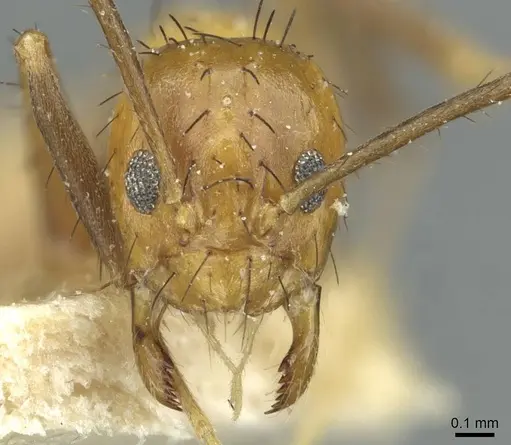
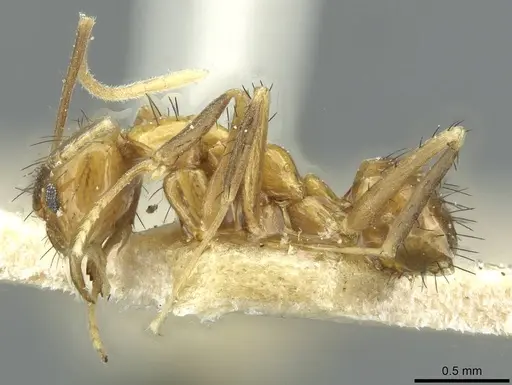
CASENT0912311
Visualizza su AntWeb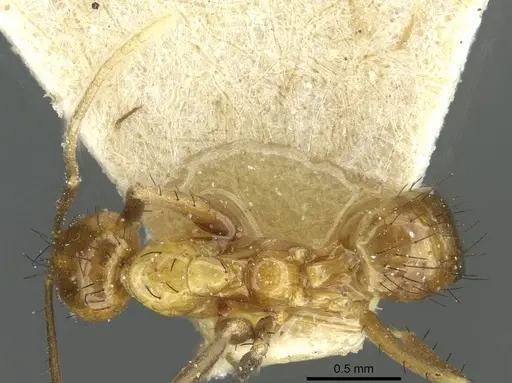
Letteratura
Caricamento mappa di distribuzione...Caricamento prodotti...