
Mycetophylax snellingi
- Nom. sci.
- Mycetophylax snellingi
- Tribù
- Attini
- Sottofamiglia
- Myrmicinae
- Autore
- MacKay & Serna, 2010
- Distribuzione
- Trovata in 0 paesi
Introduzione
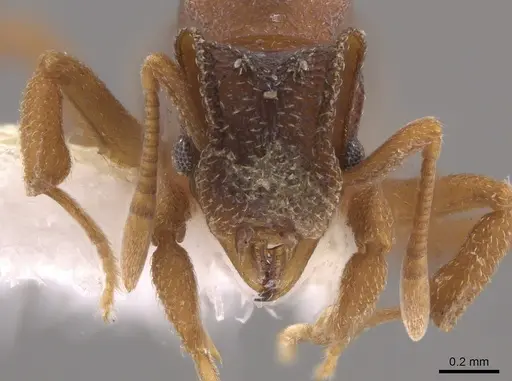
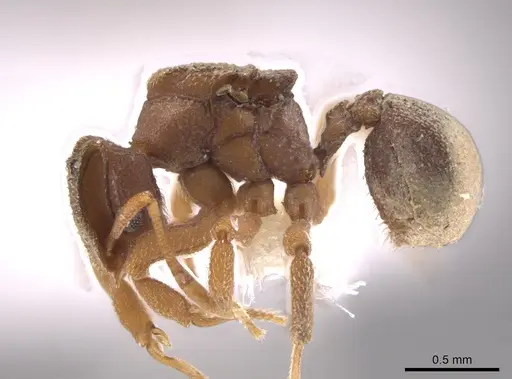
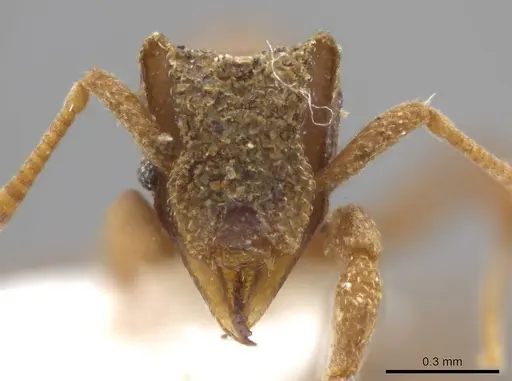
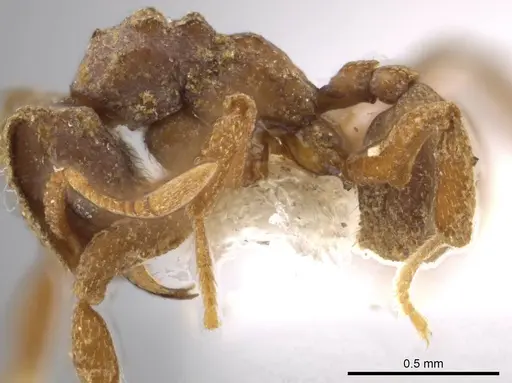
Mycetophylax snellingi is a tiny fungus-growing ant, with workers measuring approximately 2mm in total length. They have a distinctive rusty red (ferrugineous) coloration and feature well-developed spiniform teeth on their face. This species was originally described as Cyphomyrmex snellingi and was recently transferred to the genus Mycetophylax. The genus Mycetophylax belongs to the tribe Attini - the fungus-growing ants that cultivate specialized fungi as their sole food source. These ants are among the smallest attine ants, and like their relatives, they maintain underground fungus gardens fed with organic debris . This species is known only from a single location: Cerro Campana in Panama at 950m elevation, where they were collected from leaf litter in a wet montane forest habitat. They represent one of the more rarely encountered attine ants in the hobby, with limited availability and few documented captive colonies. Their tiny size and specialized fungal diet make them a challenging species for antkeepers interested in fungus-growing ants .
Quick Summary
- Difficulty: Expert
- Origin & Habitat: Cerro Campana, Panama at 950m elevation, wet montane forest habitat. Collected from leaf litter in a cloud forest environment [1].
- Colony Type: Likely monogyne (single queen) based on typical Attini patterns, unconfirmed for this specific species.
- Size & Growth:
- Queen: Estimated 4-5mm, inferred from genus patterns for similar tiny attines
- Worker: ~2mm total length [1]
- Colony: Likely under 500 workers, estimated based on typical Mycetophylax colony sizes
- Growth: Slow, fungus cultivation is time-intensive
- Development: Estimated 8-12 weeks based on related Attini species at optimal temperature (Development is slow due to fungus cultivation requirements. First workers (nanitics) will be very small.)
- Antkeeping:
- Temperature: Keep around 22-26°C. This species comes from a warm montane habitat in Panama, aim for low-to-mid 20s°C with stable conditions. A gentle temperature gradient allows workers to regulate their position [1].
- Humidity: High humidity is essential, these are forest floor ants from a wet montane habitat. Keep nest substrate consistently moist but not waterlogged. Think damp leaf litter conditions. Provide a water tube as a moisture source and mist occasionally, but avoid standing water.
- Diapause: Unlikely required, this is a tropical species from Panama. They may show reduced activity during cooler periods but do not require a true hibernation. Maintain stable temperatures year-round.
- Nesting: Use a nest with small chambers scaled to their tiny 2mm size. Y-tong (AAC) nests or plaster nests with tight passages work well. They need secure barriers, their small size means they can escape through tiny gaps. Provide a connection to an outworld for foraging.
- Behavior: These ants are peaceful and not aggressive. Workers are small and slow-moving, primarily focused on tending their fungus garden. They are not known to sting and pose no danger to keepers. Their main activity involves collecting organic material to feed their fungus. Escape prevention is critical due to their tiny 2mm size, use fine mesh and tight-fitting lids. They are not strong climbers and most escape attempts will be through small gaps rather than up smooth surfaces.
- Common Issues: tiny size means escapes are likely without fine mesh barriers, fungus garden maintenance is complex, colony can fail if fungus dies, slow growth tests keeper patience, colonies may take months to establish, high humidity requirements can lead to mold problems if ventilation is poor, limited availability makes wild-caught colonies rare and potentially stressed
Fungus Garden Care
Mycetophylax snellingi belongs to the attine ants, the fungus growers. Unlike most ants that eat protein and sugar directly, these ants cultivate specialized fungi and feed the fungus with organic debris. In captivity, you must maintain a healthy fungus garden for the colony to survive. Start the fungus by providing the queen with a small piece of pre-grown attine fungus (if available) or by offering small amounts of organic material like crushed leaves, insect fragments, or rice cereal. The key is consistency, the fungus needs constant moisture and a steady supply of fresh plant material. Never let the fungus dry out, and remove any moldy or decaying material promptly. A failed fungus garden means a dead colony. [1]
Feeding Requirements
These ants do not eat conventional ant foods like sugar water or protein insects directly. Instead, they feed their fungus garden. Offer small pieces of organic material: crushed dry leaves, rice, oats, small insect parts, or specially prepared attine food mixes. Place food near the fungus garden and let the workers transport it. The amount should be small, too much organic material can mold and kill the fungus. Fresh material is better than old. Some keepers report success with pre-made fungus ant formulas, but the core requirement is providing clean, mold-free organic matter regularly. Remove uneaten food before it molds.
Housing and Escape Prevention
Given their tiny 2mm size, excellent escape prevention is essential. Use test tubes with cotton plugs for founding colonies, but switch to a proper nest once the colony reaches 20-30 workers. Y-tong (AAC) nests or plaster nests with small chambers work well, the passages should be tight enough that workers feel enclosed. Cover all ventilation holes with fine mesh (at least 0.5mm). These ants are not strong climbers, but they will squeeze through any gap larger than their body. The outworld should also have barrier tape or fluon on the rim. A small outworld is fine, these are not active foragers like some larger ants.
Temperature and Humidity Management
Maintain temperatures in the 22-26°C range. This species comes from a warm montane habitat in Panama, so they prefer stable warmth. A heating cable on one side of the nest creates a gradient for workers to regulate their temperature. High humidity is critical, aim for 70-80% relative humidity in the nest. The substrate should feel consistently damp but never waterlogged. Use a water tube connected to the nest for constant moisture. Avoid placing the nest near air conditioning or heating vents that cause temperature swings. Poor humidity will cause the fungus to dry out and die. [1]
Colony Establishment and Growth
Expect slow growth. A newly mated queen will take longer to produce first workers than most non-fungus-growing ants, plan for 8-12 weeks minimum to nanitics, and possibly longer. The first workers will be very small (nanitics) and the colony may remain small for the first year. Do not disturb the founding chamber unnecessarily, queens are sensitive to vibration and light during the founding stage. Once workers emerge, they will begin building the fungus garden. Growth is limited by fungus health, not by ant numbers. A healthy established colony may eventually reach a few hundred workers over 1-2 years.
Frequently Asked Questions
What do Mycetophylax snellingi ants eat?
They do not eat conventional ant food. These are fungus-growing ants that cultivate a fungal garden. You provide organic material like crushed leaves, rice, oats, or small insect fragments, the ants feed this to their fungus, then eat the fungus itself. Some keepers use specialized attine food mixes.
How long does it take for first workers to emerge?
Expect 8-12 weeks from egg to first worker at optimal temperature (22-26°C). This is slower than many ants because the queen must establish a fungus garden while raising her first brood. Patience is essential, do not disturb the founding chamber.
Can I keep multiple queens together?
Not recommended. There is no data on combining unrelated queens of this species. Based on typical Attini behavior, single-queen colonies are most stable. If you obtain multiple foundresses, house them separately.
What size colony do they reach?
Likely under 500 workers, estimated based on typical Mycetophylax colony sizes. They are among the smaller attine ants and maintain relatively compact colonies compared to larger fungus growers like Atta or Sericomyrmex.
Do they need hibernation?
No. This is a tropical species from Panama and does not require hibernation. Maintain stable temperatures year-round in the 22-26°C range. They may show reduced activity during cooler periods but no diapause is needed.
Why is my colony dying?
The most common cause is fungus garden failure. This can happen from poor humidity (fungus dried out), mold (too much ventilation or old food), or contaminated food. Also check for escape, these tiny ants can squeeze through small gaps. Review your humidity levels and food quality first.
Are these ants good for beginners?
No. This is an expert-level species due to their specialized fungus-cultivation requirements, tiny size making escape likely, slow growth, and need for high humidity. They are best suited for keepers with experience growing attine ant colonies.
What nest type should I use?
Y-tong (AAC) nests or plaster nests with small chambers work well. The passages should be tight and scaled to their 2mm size. Test tubes can work for founding but may need upgrading as the colony grows. Ensure excellent escape prevention regardless of nest type.
Where is this species found in the wild?
Mycetophylax snellingi is known only from Cerro Campana in Panama, at 950m elevation. This is a wet montane cloud forest habitat. They were collected from leaf litter, indicating they live in the forest floor layer.
Report an Issue
The current care sheet is based fully on literature. See inconsistencies, or something that's incorrect? Please , it will be resolved after review from an admin. Contributing to the blogs tab also helps providing information, to make us be able to further improve the caresheets. Thank you for your support!
References

Questa scheda di allevamento è concessa in licenza con CC BY-SA 4.0 .
Blog della comunità
CASENT0648805
Visualizza su AntWeb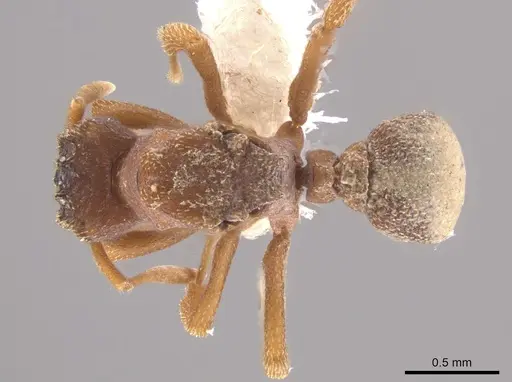
INB0003679932
Visualizza su AntWeb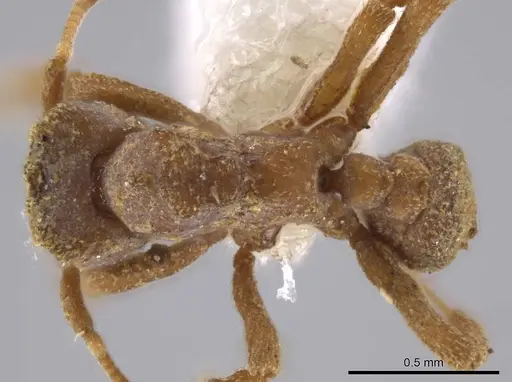
Letteratura
Caricamento mappa di distribuzione...Caricamento prodotti...