
Monomorium syriacum
- Nom. sci.
- Monomorium syriacum
- Tribù
- Solenopsidini
- Sottofamiglia
- Myrmicinae
- Autore
- Tohmé & Tohmé, 1980
- Distribuzione
- Trovata in 0 paesi
Introduzione
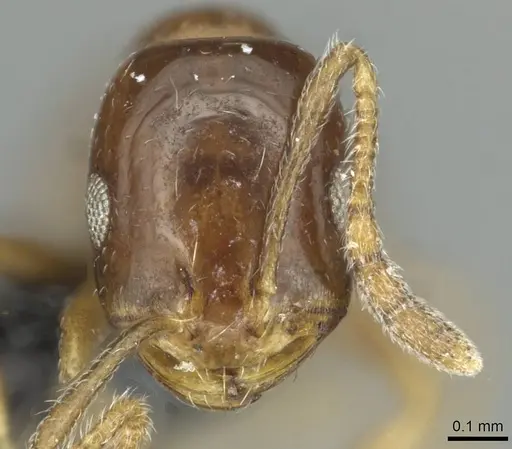
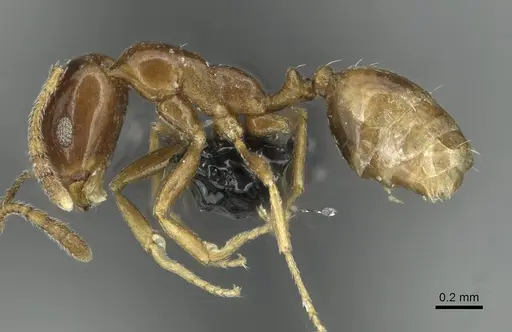
Monomorium syriacum is a tiny ant species native to Syria in the Middle East. Workers are small and dark, approximately 2-3mm in size - inferred from the genus Monomorium . This species was originally described as Epixenus syriaca in 1980 before being moved to the genus Monomorium in 1987 . The most distinctive feature of this species is its colony structure - it has ergatoid queens only, meaning the reproductives are wingless females that develop directly as replacement queens rather than going through the typical winged queen stage . This unusual queen system affects how the colony reproduces and expands.
Quick Summary
- Difficulty: Medium, limited species-specific care data available
- Origin & Habitat: Syria in the Palaearctic region. Type locality is Markab, south of Banias at 10m elevation, collected in April 1974 [2]. This is a Mediterranean coastal area with hot, dry summers and mild winters.
- Colony Type: Ergatoid queen only, this species produces only wingless replacement queens (ergatoids), not typical winged queens. The colony structure and whether they are monogyne or polygyne is unconfirmed [3].
- Size & Growth:
- Queen: Unconfirmed, ergatoid queens are present but measurements not documented [3]
- Worker: Approximately 2-3mm, inferred from the genus Monomorium [1]
- Colony: Unknown, no colony size data available
- Growth: Unknown
- Development: Unconfirmed, no development data available for this species. (Development timeline is unconfirmed. Related Monomorium species typically develop from egg to worker in 4-8 weeks depending on temperature.)
- Antkeeping:
- Temperature: Based on Syrian Mediterranean habitat, aim for roughly 22-28°C with a gentle gradient. Room temperature (around 20-24°C) is likely suitable. Observe colony activity to fine-tune.
- Humidity: Mediterranean climate suggests moderate humidity preferences. Keep nest substrate lightly moist but allow some drying between waterings. Avoid both saturated conditions and complete drying.
- Diapause: Unknown, Mediterranean species may have reduced activity in winter but true hibernation requirements are unconfirmed.
- Nesting: Natural nesting behavior is unconfirmed. Related Monomorium species often nest in soil, under stones, or in small cavities. A test tube setup or small ytong nest with narrow chambers would be appropriate for their tiny size.
- Behavior: Temperament and detailed behavior are unconfirmed. As a tiny Myrmicinae in the Solenopsidini tribe, they possess a stinger and can inject venom composed of piperidine alkaloids. Their small size means escape prevention is critical, they can squeeze through very small gaps. Use fine mesh and tight-fitting barriers.
- Common Issues: very limited species-specific information makes care recommendations uncertain, tiny size creates high escape risk without proper barriers, colony structure (monogyne vs polygyne) is unconfirmed, no documented development timeline, growth is an estimate, ergatoid-only reproduction may affect how colonies establish and expand
Species Overview and Distribution
Monomorium syriacum is a poorly-known ant species endemic to Syria. It was first described in 1980 by the Tohmé brothers as Monomorium syriacum before being reclassified to the genus Monomorium by Bolton in 1987 [2]. The type specimens were collected from Markab, south of Banias, which is a coastal area in Syria near the Mediterranean Sea at low elevation (10 meters) [2]. This Mediterranean location suggests the species prefers warm, relatively dry conditions typical of that climate zone. The species remains poorly documented in scientific literature, with limited information available about its natural history, behavior, or colony structure in the wild.
Unique Colony Structure: Ergatoid Queens
The most distinctive feature of Monomorium syriacum is its queen system. Research indicates this species has ergatoid queens only, meaning reproductives are wingless females that develop directly rather than going through the typical winged queen stage [3]. This is unusual in the ant world, where most species produce winged queens that disperse to mate during nuptial flights. Ergatoid queens serve as replacement reproductives within the colony, allowing the colony to maintain its reproductive capacity if the primary queen dies or becomes unable to lay eggs. This trait affects how the colony reproduces and expands, rather than producing dispersing alates (winged reproductives), the colony likely produces new ergatoid queens internally. The exact colony structure (single queen vs multiple queens) remains unconfirmed.
Housing and Nest Setup
Given the tiny size of workers (approximately 2-3mm), housing requires attention to escape prevention. Use test tubes with cotton plugs or small ytong nests with chambers appropriately scaled to their size. Fine mesh on any ventilation holes is essential, these small ants can squeeze through surprisingly tiny gaps. Since natural nesting behavior is unconfirmed, provide options that work well for similar Monomorium species: a moist test tube setup works well for founding colonies, while established colonies can be moved to small ytong nests. The nest should have narrow passages scaled to their tiny body size. A small outworld area allows for feeding. Ensure all connections between nest and outworld are secure, a thin film of fluon on container rims helps prevent escapes.
Feeding and Diet
Specific dietary requirements for Monomorium syriacum are unconfirmed. Based on genus patterns, they likely have a varied diet typical of small Myrmicinae: they probably consume honeydew from aphids and scale insects, accept sugar sources like honey or sugar water, and likely hunt small prey. For captive care, offer a combination of sugar water or honey (small drop on a piece of foil or cotton) and small protein sources like fruit flies, pinhead crickets, or other tiny arthropods. Feed small amounts several times per week, removing uneaten food to prevent mold. The ergatoid queen system may affect founding behavior, if queens must forage during founding (semi-claustral), protein would be important during colony establishment.
Temperature and Seasonal Care
As a species from Mediterranean Syria, Monomorium syriacum likely prefers warm conditions. Aim for temperatures in the 22-28°C range, which is typical room temperature in many homes. A heating cable on one side of the nest can create a gradient if your home runs cool. Since this is from a region with distinct seasons, they may have reduced activity in winter months, though true hibernation requirements are unknown. Monitor colony behavior, if workers become less active in winter, reduce feeding and keep them in a cooler area (around 15-18°C) rather than completely cooling them unless you observe clear dormancy behavior. The key is to avoid sudden temperature changes and maintain stable conditions year-round.
Defense Mechanism
Monomorium syriacum belongs to the tribe Solenopsidini within the subfamily Myrmicinae. Members of this tribe possess a functional stinger and can inject venom composed primarily of piperidine alkaloids. This venom is used both for hunting prey and defending the colony. While the sting of such a tiny ant would be negligible to humans, the ability to sting is present and should be considered when handling.
Challenges and Considerations
This is a species with very limited documented care information in the antkeeping hobby. The main challenges are: (1) uncertainty about exact care requirements since species-specific research is minimal, (2) the tiny worker size demands excellent escape prevention, (3) the ergatoid queen system may affect colony founding and growth patterns in ways we do not fully understand, and (4) no confirmed development timeline makes it harder to track colony health. Start with conditions suitable for similar Mediterranean Monomorium species and adjust based on your colony's behavior. Document your observations, captive records of this species' development would be valuable for the antkeeping community.
Frequently Asked Questions
How do I house Monomorium syriacum ants?
Use a small test tube setup for founding colonies, then transition to a small ytong nest as the colony grows. Their tiny size (approximately 2-3mm) means escape prevention is critical, use fine mesh and tight-fitting lids.
What do Monomorium syriacum ants eat?
Specific dietary data is unavailable, but offer sugar water or honey and small protein sources like fruit flies or tiny crickets. Feed small amounts several times per week.
What temperature do Monomorium syriacum ants need?
Aim for 22-28°C based on their Mediterranean Syrian habitat. Room temperature (20-24°C) is likely suitable. Avoid temperature extremes.
How long does it take for Monomorium syriacum to produce first workers?
Development timeline is unconfirmed for this species. Based on similar small Myrmicinae, expect 4-8 weeks from egg to worker at optimal temperature.
Is Monomorium syriacum good for beginners?
This species is not recommended for beginners due to very limited species-specific care information. The unusual ergatoid queen system also means colony establishment may differ from typical ants.
How big do Monomorium syriacum colonies get?
Colony size is unconfirmed, no wild colony size data is available. Based on genus patterns, small to moderate colony sizes are likely.
Do Monomorium syriacum queens have wings?
No, this species has ergatoid (wingless) queens only. Unlike typical ants, they do not produce winged queens for nuptial flights. New queens develop as wingless replacement reproductives within the colony [3].
Can I keep multiple Monomorium syriacum queens together?
Colony structure (monogyne vs polygyne) is unconfirmed. The ergatoid-only queen system suggests internal queen replacement, but whether multiple queens can coexist is unknown.
Does Monomorium syriacum need hibernation?
Diapause requirements are unconfirmed. As a Mediterranean species, they may have reduced winter activity but true hibernation needs are unknown.
Report an Issue
The current care sheet is based fully on literature. See inconsistencies, or something that's incorrect? Please , it will be resolved after review from an admin. Contributing to the blogs tab also helps providing information, to make us be able to further improve the caresheets. Thank you for your support!
References

Questa scheda di allevamento è concessa in licenza con CC BY-SA 4.0 .
Blog della comunità
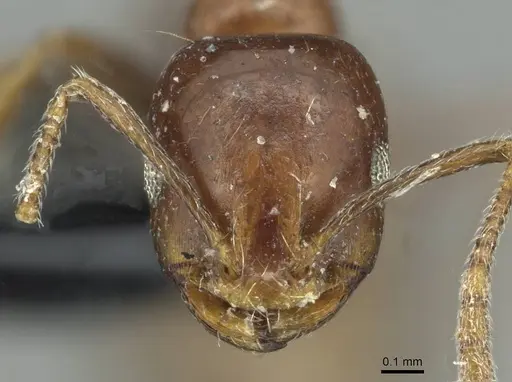
CASENT0913767
Visualizza su AntWeb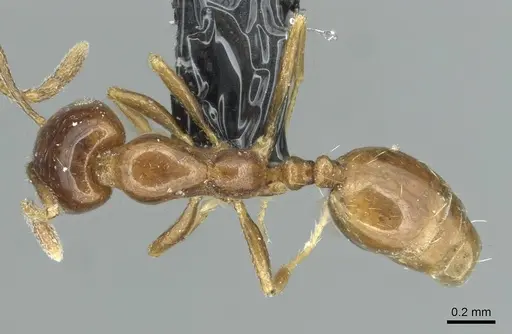
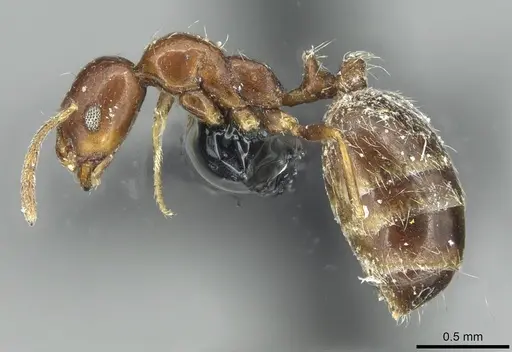
CASENT0913768
Visualizza su AntWeb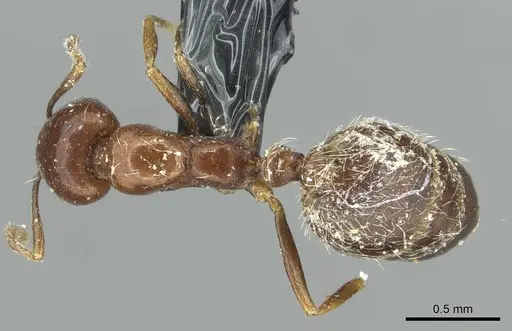
Letteratura
Caricamento mappa di distribuzione...Caricamento prodotti...