
Messor kardamenae
- Nom. sci.
- Messor kardamenae
- Tribù
- Stenammini
- Sottofamiglia
- Myrmicinae
- Autore
- Salata & Borowiec, 2023
- Distribuzione
- Trovata in 0 paesi
Introduzione
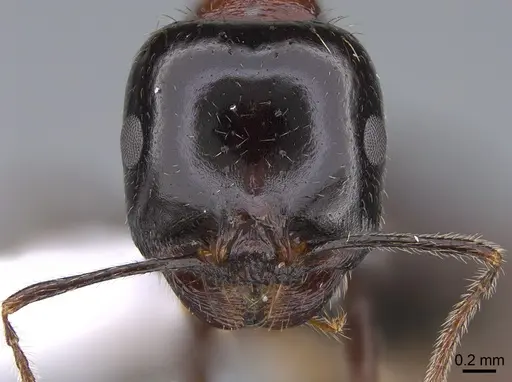
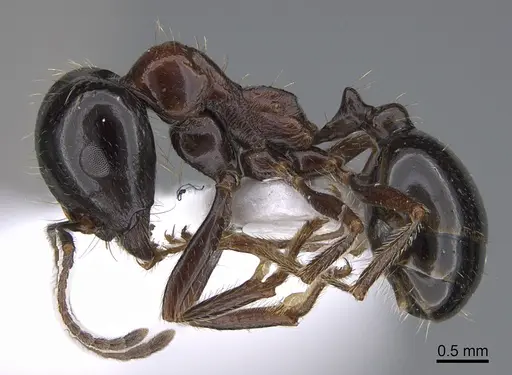
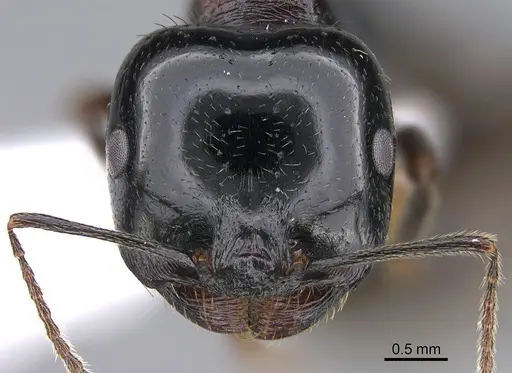
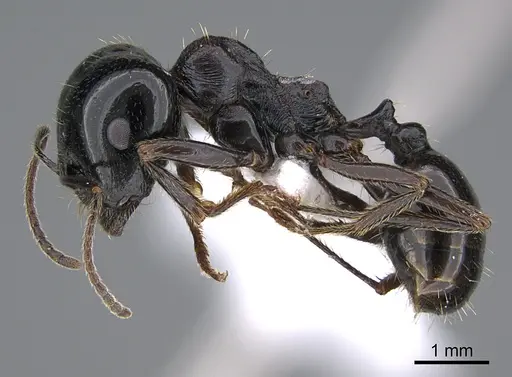
Messor kardamenae is a harvester ant species native to the Dodecanese islands of Greece (Kos, Nisyros, Rhodes, and Tilos). It was formally described in 2023 and is part of the Messor semirufus complex, sitting in size between larger Messor wasmanni complex species and smaller M. semirufus species . Major workers have enlarged heads for seed processing, while minor workers are smaller and handle general tasks. Coloration is highly variable - major workers typically have nearly black heads with reddish mandibles, while the mesosoma ranges from reddish to brown to black depending on the population . These ants inhabit lowland Mediterranean areas from sea level to 226m altitude, including agricultural land, clay wasteland, ruderal areas in tourist resorts, and volcanic soil on Kos island . Like all Messor species, they are seed-harvesting ants that collect and store seeds.
Quick Summary
- Difficulty: Easy
- Origin & Habitat: Dodecanese islands of Greece (Kos, Nisyros, Rhodes, Tilos) in lowland Mediterranean habitats from sea level to 226m altitude. Found in agricultural areas, clay wasteland, ruderal places in tourist resorts, and on volcanic soil [1].
- Colony Type: Single-queen colonies, typical for Messor species in this complex
- Size & Growth:
- Queen: Size data unavailable, no queen measurements published
- Worker: Major workers: ~5-7mm, Minor workers: ~3-4mm, inferred from Messor genus patterns
- Colony: Up to several thousand workers based on related Messor species
- Growth: Moderate
- Development: 6-10 weeks (estimated based on typical Messor development at 24-28°C) (Development time estimated from related Messor species, direct observations not available for this species)
- Antkeeping:
- Temperature: Keep at 24-28°C (warm Mediterranean conditions). A slight gradient is beneficial, warmer on one side allows ants to regulate their temperature.
- Humidity: Low to moderate, these are dryland ants from Mediterranean Greece. Keep nest substrate relatively dry, mist occasionally, but avoid constant moisture. Provide a shallow water dish for drinking.
- Diapause: Yes, Mediterranean species require a winter rest period. Reduce temperature to 10-15°C for 8-12 weeks during winter months (November-February in Northern Hemisphere).
- Nesting: Messor species prefer dry, sandy substrates for seed storage. A Y-tong (AAC) nest or plaster nest with sand chambers works well. They need enough depth to store seeds. Avoid overly humid conditions.
- Behavior: Messor kardamenae are typical harvester ants, they collect and process seeds as their primary food source. Major workers have enlarged heads with powerful mandibles for cracking seeds. They are generally non-aggressive toward keepers but will defend their nest if threatened. Workers are active climbers, so standard escape prevention with fluon barriers on smooth surfaces is recommended.
- Common Issues: seed storage mold, keep nest dry and replace old seeds regularly to prevent fungal growth, overfeeding, harvester ants are prone to hoarding, remove uneaten seeds to prevent waste, escape risk, workers are active climbers, apply fluon barrier to prevent escapes, winter mortality, colonies often fail if not given proper hibernation conditions, founding colony stress, queens need quiet, dark location during founding, avoid disturbing until workers emerge
Nest Preferences and Housing
Messor kardamenae thrives in dry to moderately humid nests that mimic their natural Mediterranean habitat. A Y-tong (AAC) nest or plaster nest with sand-filled chambers works best, these allow you to provide the dry conditions they prefer while still being able to observe the colony. The nest should have chambers deep enough for seed storage, as Messor species are known for hoarding seeds.
For the outworld (foraging area), provide a sandy substrate where they can sort and process seeds. A depth of 1-2cm of dry sand is ideal. Avoid overly moist setups, these are dryland ants that can develop mold problems in humid conditions. A small water dish should always be available in the outworld for drinking water. [1]
Feeding and Diet
As harvester ants, Messor kardamenae primarily collects and consumes seeds. In captivity, offer a variety of seeds including grass seeds, millet, sunflower seeds (cracked), and commercial ant seed mixes. Major workers will crack larger seeds with their powerful mandibles while minors handle smaller seeds.
Protein is also important, offer small insects like fruit flies, small crickets, or mealworms once or twice weekly. Sugar water or honey can be offered occasionally, though these ants are primarily seed-eaters. Remove uneaten seeds every few weeks to prevent mold. Fresh water should always be available.
Temperature and Seasonal Care
Keep your Messor kardamenae colony at 24-28°C during the active season (spring through autumn). A temperature gradient is beneficial, warmer on one end allows ants to regulate their body temperature by moving between areas. Room temperature in this range typically works well.
During winter (roughly November through February in the Northern Hemisphere), these Mediterranean ants require a diapause period. Reduce temperatures to 10-15°C and reduce feeding. Do not feed during hibernation, the colony will be mostly dormant. Return to normal temperatures gradually in spring to trigger activity. Proper hibernation is important for colony health and queen reproduction. [1]
Behavior and Colony Structure
Messor kardamenae colonies are monogyne, meaning they have a single queen. The colony will develop distinct castes, major workers (soldiers) with enlarged heads for seed processing, and smaller minor workers for general tasks. The ratio of majors to minors varies with colony size.
These ants are not aggressive but will defend their nest if threatened. Workers are active foragers that search for seeds and insects. They communicate through chemical trails and can travel considerable distances from the nest. When keeping this species, apply fluon or similar barriers to smooth surfaces to prevent escapes, as they are good climbers. [1]
Frequently Asked Questions
How long does it take for Messor kardamenae to produce first workers?
Expect first workers (nanitics) to emerge 6-10 weeks after the queen lays eggs, assuming temperatures around 24-28°C. This is typical for Messor species. The queen raises the first brood alone in her claustral chamber.
What do Messor kardamenae ants eat?
They are harvester ants that primarily eat seeds. Offer grass seeds, millet, cracked sunflower seeds, and commercial seed mixes. They also need protein from small insects like fruit flies or mealworms. Fresh water should always be available.
Do Messor kardamenae ants need hibernation?
Yes, as Mediterranean species from Greece, they require a winter rest period. Reduce temperatures to 10-15°C for 8-12 weeks during winter. Stop feeding during this period and keep disturbances minimal.
Can I keep multiple Messor kardamenae queens together?
No, this species is monogyne (single-queen). Unlike some Messor species that can be polygynous, M. kardamenae colonies should only have one queen. Introducing additional queens will result in fighting.
What size colony does Messor kardamenae reach?
Based on related Messor species, colonies can reach several thousand workers over several years. Major workers develop as the colony grows, early colonies will be mostly minor workers.
Are Messor kardamenae good for beginners?
Yes, this is a good beginner species. They are hardy, don't require high humidity, and their seed-based diet is easy to provide. The main challenges are proper hibernation and preventing seed mold.
Do Messor kardamenae ants sting?
Messor species have stingers but are not aggressive toward keepers. They are more likely to flee than to sting. The stinger is present but these ants are considered non-stinging in practice.
When should I move my Messor kardamenae to a formicarium?
Keep founding colonies in a simple test tube setup until the colony reaches 20-30 workers. Once they outgrow the test tube or you see seed-hoarding behavior, you can move them to a proper formicarium with foraging area.
Why are my Messor kardamenae dying?
Common causes include: improper humidity (too wet causes mold, too dry causes desiccation), lack of hibernation, stress during founding, or poor seed quality. Check that the nest is not too humid and that seeds are fresh.
Report an Issue
The current care sheet is based fully on literature. See inconsistencies, or something that's incorrect? Please , it will be resolved after review from an admin. Contributing to the blogs tab also helps providing information, to make us be able to further improve the caresheets. Thank you for your support!
References

Questa scheda di allevamento è concessa in licenza con CC BY-SA 4.0 .
Blog della comunità
CASENT0923718
Visualizza su AntWeb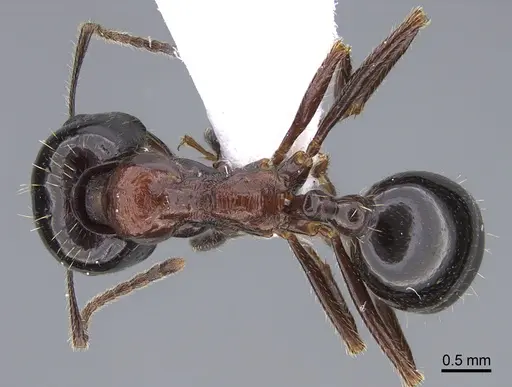
CASENT0923719
Visualizza su AntWeb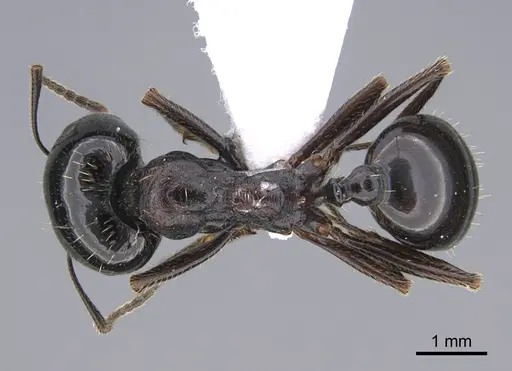
Letteratura
Caricamento mappa di distribuzione...Caricamento prodotti...