
Meranoplus biliran
- Nom. sci.
- Meranoplus biliran
- Tribù
- Crematogastrini
- Sottofamiglia
- Myrmicinae
- Autore
- Schödl, 1998
- Distribuzione
- Trovata in 0 paesi
Introduzione
Meranoplus biliran is a tiny ant species native to Biliran Island in the Philippines . Workers measure 3.0-3.38mm in total length, making them one of the smaller ant species in the hobby. They have a distinctive appearance with a rectangular promesonotum that is notably wider than long, with foliaceous (leaf-like) lateral margins that overhang the sides of the alitrunk . The body is uniformly dark brown to nearly black, and they possess propodeal spines on the rear of their mesosoma. This species was described in 1998 and represents the easternmost distribution point for the genus in the treated area . Nothing is known about their biology in the wild, making them a true mystery species for antkeepers.
Quick Summary
- Difficulty: Expert
- Origin & Habitat: Biliran Island, Philippines (Indomalaya Region). The Philippines has a tropical climate with high year-round temperatures and humidity [1]. This species is only known from its type locality.
- Colony Type: Unknown, colony structure has not been documented. Meranoplus species are typically monogyne but this has not been confirmed for M. biliran.
- Size & Growth:
- Queen: Not documented, no queen specimens have been described [1].
- Worker: 3.0-3.38mm [1]
- Colony: Unknown, no colony data exists
- Growth: Unknown, no development data exists
- Development: Unknown, no development studies exist for this species. (This is entirely unconfirmed, no biological data exists for this species.)
- Antkeeping:
- Temperature: Tropical species, aim for 24-28°C. The Philippines has consistently warm temperatures year-round, so stable warmth is important.
- Humidity: High humidity preferred, tropical forest environment. Keep substrate consistently moist but not waterlogged.
- Diapause: Unlikely, as a tropical species from the Philippines, they probably do not require a diapause period. However, this is unconfirmed.
- Nesting: No natural nesting data exists. Based on genus patterns, they likely nest in soil or rotting wood in forest environments. A test tube setup works for founding colonies, for established colonies, a Y-tong or plaster nest with moisture retention works well.
- Behavior: Behavior is completely undocumented. Based on genus patterns, they are likely generalist foragers that scavenge and may tend aphids for honeydew. Their small size means escape prevention must be excellent, they can squeeze through very small gaps. They have a smear-type defense mechanism typical of Myrmicinae in this genus.
- Common Issues: no biological data exists, this is one of the least studied species in the antkeeping hobby, escape prevention is critical due to tiny 3mm size, no confirmed diet preferences, must experiment with various foods, growth rate is unknown so patience is required, no information on founding behavior or colony development
Understanding This Species
Meranoplus biliran is an exceptionally rare species in the antkeeping hobby, almost nothing is known about its biology. It was described in 1998 from specimens collected on Biliran Island in the Philippines in 1927 [1]. The type series consists of only 9 workers (1 holotype and 8 paratypes), and no queens, males, or colony samples have ever been documented [1]. This means everything in this caresheet is either directly from the original species description or inferred from what we know about related Meranoplus species. You are essentially pioneering the husbandry of this species if you obtain them. This should be considered a specialist species for experienced antkeepers who understand that standard development timelines and care protocols may not apply.
Appearance and Identification
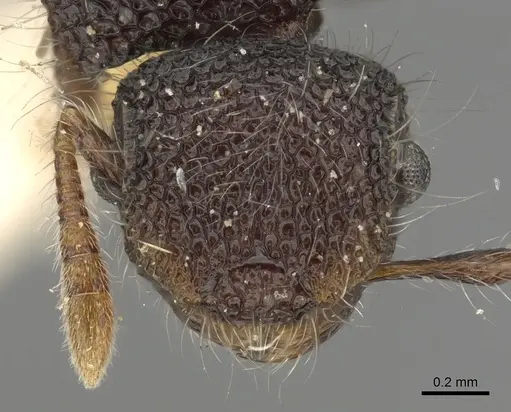
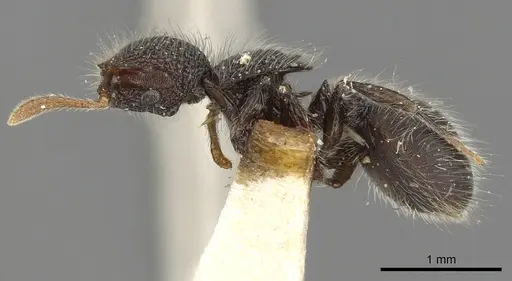
Workers are tiny at 3.0-3.38mm, making them one of the smaller ant species you'll encounter. They are uniformly dark brown to nearly black in color. The most distinctive feature is their promesonotum, the front portion of their middle body section, which is rectangular and notably wider than long, with leaf-like (foliaceous) lateral margins that overhang the sides of the alitrunk [1]. They have small but visible propodeal spines on the rear of their mesosoma. Their gaster has a distinctive micro-sculpturation that appears shagreened when viewed under magnification. The eyes are positioned well behind the middle of the head sides. This combination of features makes them distinguishable from other Meranoplus species in the region [1].
Housing and Setup
For founding colonies, a standard test tube setup works well, the small size of these ants means you should use a test tube with a relatively small water reservoir to prevent flooding. Since nothing is known about their nesting preferences, provide options: a test tube for founding, and for established colonies, consider a Y-tong or plaster nest with moisture retention capabilities. The tiny size of these ants means you must use excellent escape prevention, standard cotton plugging may not be sufficient. Use fine mesh barriers and ensure all connections are tight. A small outworld is appropriate given their tiny size. Keep the setup in a warm, humid location away from direct sunlight and drafts.
Feeding and Diet
Diet preferences are completely unconfirmed for this species. Based on typical Meranoplus behavior and general Myrmicinae patterns, they are likely omnivorous generalists that scavenge for carbohydrates and protein. I recommend starting with standard ant foods: a constant sugar source and occasional protein offerings like small fruit flies or mealworm pieces. Since they are so small, prey items must be appropriately sized. Start with very small offerings and observe what they accept. Do not be discouraged if initial acceptance is low, this is an unknown species and may have specialized dietary needs we haven't discovered yet.
Temperature and Environment
As a tropical species from the Philippines, they require warm and humid conditions. Biliran Island has a tropical climate with temperatures typically ranging from 24-32°C year-round. Aim for a temperature range of 24-28°C in the nest area. A slight temperature gradient is beneficial so the ants can self-regulate. Room temperature may be sufficient if your home stays in the low-to-mid 20s°C range, otherwise use a heating cable on one side of the nest. For humidity, maintain high moisture levels, think damp forest floor. The substrate should feel consistently moist but never waterlogged.
Growth and Development
No development data exists for this species, we genuinely do not know how long it takes from egg to worker. The only information available is the worker measurements from the original description. The first workers will likely be smaller than the 3mm measurement given in the species description, as this is typical for ant species. Given the complete lack of biological data, you should expect the unexpected and document your observations carefully. Any information you gather about this species would be scientifically valuable. [1]
Frequently Asked Questions
How long does it take for Meranoplus biliran to produce first workers?
This is completely unknown, no development studies exist for this species. You may need significant patience.
What do Meranoplus biliran ants eat?
Diet is unconfirmed. Based on genus patterns, they likely accept sugar sources and small protein items. Start with standard ant foods and observe what they accept. Their tiny size means prey must be very small.
What temperature do Meranoplus biliran ants need?
Keep them warm, aim for 24-28°C. This is a tropical species from the Philippines, so they need consistent warmth. Room temperature in the low-to-mid 20s°C is often suitable.
Do Meranoplus biliran ants need hibernation?
Unlikely. As a tropical species from the Philippines, they probably do not require a diapause period. However, this is unconfirmed.
Are Meranoplus biliran ants good for beginners?
No. This is an expert-level species due to the complete lack of biological data. There are no established care protocols, and you are essentially pioneering their husbandry. Only experienced antkeepers should attempt this species.
How big do Meranoplus biliran colonies get?
Unknown, no colony size data exists.
Do Meranoplus biliran ants sting?
Likely yes, but the stinger is probably too small to penetrate human skin effectively. Most Myrmicinae have stingers, but at 3mm body length, the stinger is microscopic.
Can I keep multiple Meranoplus biliran queens together?
Unknown, colony structure has not been documented. Meranoplus species are typically single-queen, but this has not been confirmed for M. biliran. Do not attempt combining unrelated queens without documented evidence that this is safe.
What size escape prevention do I need for Meranoplus biliran?
Excellent escape prevention is critical. At only 3mm body length, they can squeeze through extremely small gaps. Use fine mesh, tight-fitting lids, and reliable barrier coatings like fluon on any connections.
Where does Meranoplus biliran come from?
This species is only known from Biliran Island in the Philippines. It was described in 1998 from specimens collected in 1927. It represents the easternmost distribution point for the genus Meranoplus in the region [1][2].
Report an Issue
The current care sheet is based fully on literature. See inconsistencies, or something that's incorrect? Please , it will be resolved after review from an admin. Contributing to the blogs tab also helps providing information, to make us be able to further improve the caresheets. Thank you for your support!
References

Questa scheda di allevamento è concessa in licenza con CC BY-SA 4.0 .
Blog della comunità
CASENT0902033
Visualizza su AntWeb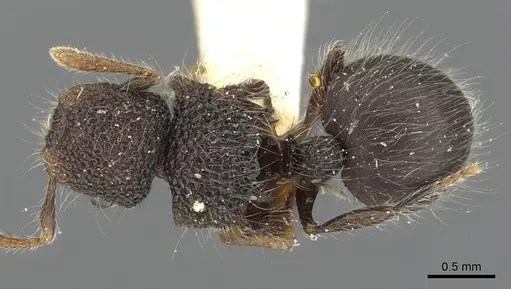
Letteratura
Caricamento mappa di distribuzione...Caricamento prodotti...